
Lieferung heute & morgen

Qualitätsgarantie

Willkommens-Angebote freischalten: KOSTENLOSE Lieferung | Bis zu 80 % RABATT | Kostenlose 30-Tage-JoyPlus-Testphase
App herunterladen
For many, the aroma of freshly ground coffee is the epitome of a perfect start to the day. An electric coffee grinder promises to bring this experience right into your kitchen. However, the market is crowded and confusing, and many devices fail to deliver on their promises. Before you make a decision, it's crucial to understand the common pitfalls that often lead to disappointment and buyer's remorse.
As your Joybuy Product Recommendation Officer, I'm here to help you separate marketing hype from reality. In this guide, we'll focus on the critical features that distinguish a great grinder from an unsuitable one.
The 3 Most Common Pitfalls When Buying an Electric Coffee Grinder:
To avoid these pitfalls, you should focus on a few critical technical features. These determine the quality of the grind and, therefore, directly impact the aroma in your cup.
The heart of any grinder is its grinding mechanism. This is where the wheat is separated from the chaff.
An adjustable coffee grinder is not a luxury but a necessity for anyone who wants to prepare more than just one type of coffee. Each brewing method requires a specific particle size to ensure optimal extraction:
The number of grind settings indicates the device's precision. Models for ambitious users offer 30 or more steps, often even stepless adjustment.
Instead of presenting a confusing list, we have selected models that fit specific user profiles and purposefully avoid the pitfalls mentioned.
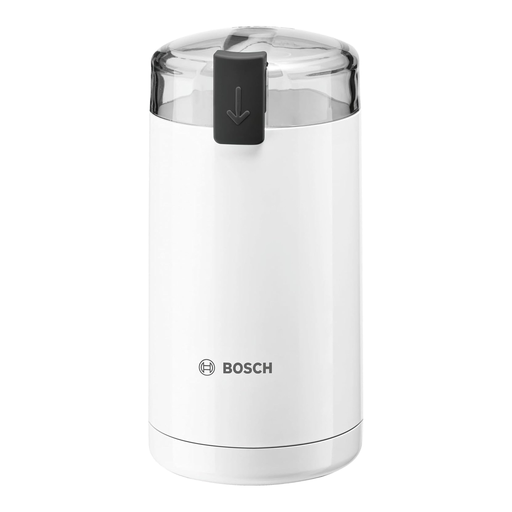
Why this model is a good fit: Ideal for anyone wanting to take the first step towards grinding fresh coffee beans without a large investment. Operation is straightforward, and the device is compact and durable—a solid starting point for filter coffee or French press.
This model is a straightforward blade grinder (Pitfall 1) and is not marketed as a precision device. It avoids the trap of false expectations. The grind size is controlled by the duration of the grinding process, which allows for basic adjustment and mitigates the trap of complete inflexibility (Pitfall 2).
Safety feature: Only operates when the lid is attached. Compact design: Fits in any kitchen and is easy to store.
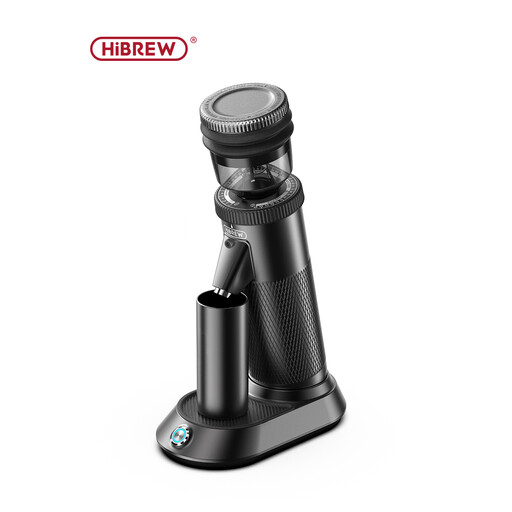
Why this model is a good fit: For coffee lovers seeking precision and control. This device is specifically designed for everything from espresso to pour-over, providing the consistency needed for high-quality extraction.
With its 48mm conical burr made of CNC-machined steel, it completely avoids Pitfall 1 (blade grinder). The 36 grind settings provide the necessary flexibility, avoiding Pitfall 2 (lack of adjustability). As a dedicated coffee grinder, it doesn't fall into the multi-function trap (Pitfall 3).
Two grinding speeds: Slower grinding reduces heat build-up. Anti-static function: Reduces coffee ground residue and simplifies handling.
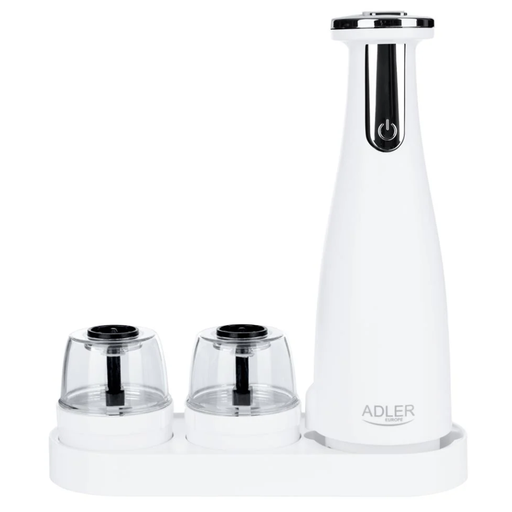
Why this model is a good fit: For home cooks looking for a flexible, rechargeable grinder for spices, herbs, or salts, who only occasionally grind coffee. Versatility is the main focus here.
This model directly addresses Pitfall 3 (multi-function) by being positioned primarily as an electric spice grinder. The adjustable grind fineness offers more control than simple blade grinders. For mixed use, thorough cleaning between spices and coffee is essential to prevent flavour transfer.
Rechargeable: Battery-operated via USB-C for cordless flexibility. Ceramic burr: Offers adjustable grind fineness and is replaceable.
We have compiled a complete, up-to-date list of products that fully meet these strict selection criteria and all relevant safety regulations.
For the best flavour experience, you should clean your grinder regularly. With daily use, it's recommended to remove loose powder residue weekly with a brush or air blower. A thorough cleaning, where the burrs (if removable) are taken out and cleaned of coffee oils, should be done approximately every 1-2 months. Use special grinder cleaning pellets or disassemble the burrs according to the manufacturer's instructions.
Technically, it's possible with many blade grinders. However, it is not recommended. The intense essential oils from spices like cumin or cloves will settle in the grinding mechanism and housing and are very difficult to remove completely. This residue will negatively affect the taste of your coffee. If you want to grind both, purchasing two separate, inexpensive devices is the better solution.
As a rule of thumb: the shorter the water's contact time with the coffee, the finer the grind needs to be.