
Lieferung heute & morgen

Qualitätsgarantie

Willkommens-Angebote freischalten: KOSTENLOSE Lieferung | Bis zu 80 % RABATT | Kostenlose 30-Tage-JoyPlus-Testphase
App herunterladen
The path to an excellent cup of coffee begins not with the coffee machine, but with grinding the beans. A high-quality electric coffee grinder is the foundation for unlocking their full aroma. Yet, the market is flooded with models whose marketing claims often fall short. Many buyers invest in a device only to find it worsens their coffee's taste rather than improving it. This guide highlights the crucial criteria for making an informed decision.
Before we dive into the technical details, it's important to understand the most common pitfalls that lead to disappointment and wasted money.
To avoid the problems mentioned above, you should focus on three core technical aspects. These are the primary determinants of the quality of your grind and, consequently, your coffee.
The burr set is the most critical component. There are two main types:
The material is just as relevant. Burrs made of hardened steel are generally sharper and more durable than those made of ceramic, which, while rust-proof, can be more brittle.
The number of grind settings is less important than the consistency and range of those settings. A good grinder must be able to produce both a very fine powder for an espresso coffee grinder and a coarse grind for a French press or cold brew.
Look for models that offer micro-stepped or stepless adjustment to precisely match the adjustable grind size to your beans and brewing method.
The construction also plays a role. A solid housing reduces vibrations and ensures a more stable grinding process. Anti-static features help to reduce the static charge of the coffee grounds, which minimises mess and reduces dead space. For users who are often on the go or have limited space, a portable coffee grinder with battery operation can be a practical solution, provided it has a quality burr set.
Instead of making a one-size-fits-all recommendation, we have selected models that meet specific needs and avoid the pitfalls mentioned earlier.
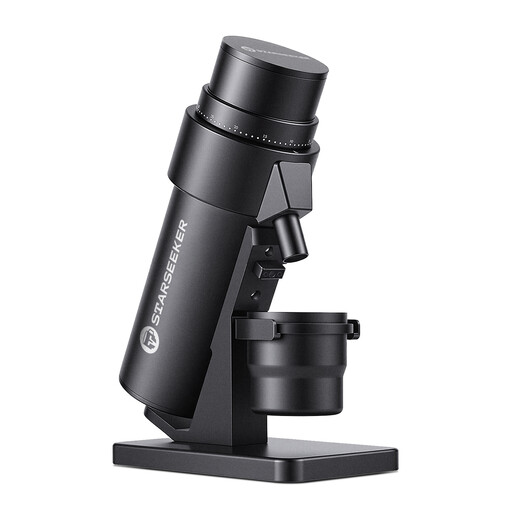
Why This Fits Their Persona: Ideal for users who prepare both espresso and high-quality filter coffees and refuse to compromise on grind quality. This grinder is aimed at enthusiasts who value control and precision.
The large 63mm burr set ensures high consistency and minimises heat generation, thereby protecting the bean's aromas. The design is optimised for low retention (dead space).
Large 63mm burrs for high grinding speed and consistency. Suitable for fine espresso grinds and coarse pour-over settings.
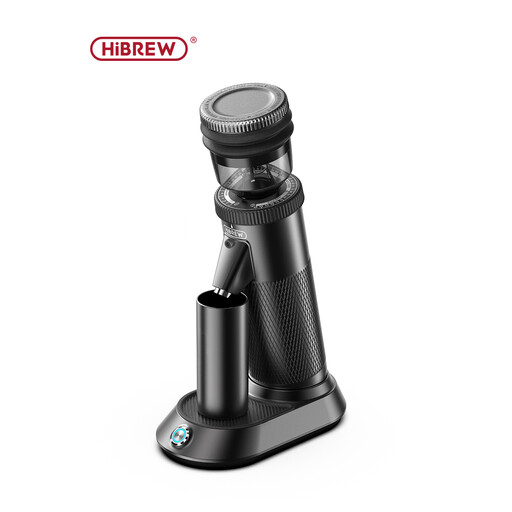
Why This Fits Their Persona: Perfect for coffee drinkers who want to experiment with various brewing methods, from filter coffee to moka pot, and are looking for a reliable, versatile grinder without breaking the bank for a professional-grade machine.
It uses a CNC-milled conical burr instead of a cheap blade mechanism, which ensures a consistent grind. The anti-static coating and powder knocker reduce dead space.
36 grind settings for high flexibility. Slow grinding mode (400 RPM) to reduce heat build-up.
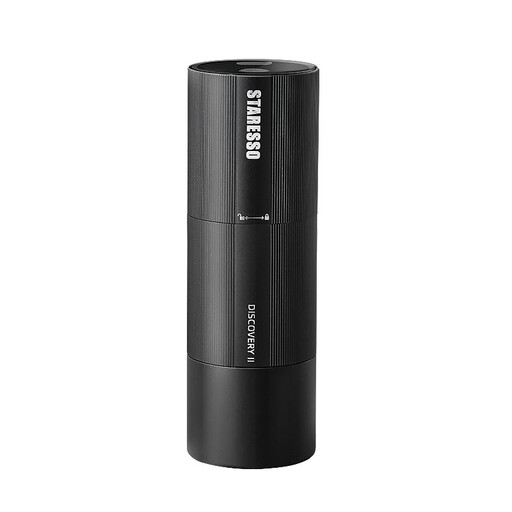
Why This Fits Their Persona: For anyone who doesn't want to give up freshly ground coffee at the office, while travelling, or camping. Its compact design and battery operation make it the ideal companion.
Despite its size, it features a precise stainless steel burr set with dual bearings, which avoids the inconsistency of cheap portable grinders and delivers a uniform grind.
Rechargeable via USB-C, robust metal housing, and adjustable grind settings for everything from espresso to French press.
For preparing filter coffee, not only the grinder but also the right brewer is crucial. We have put together a selection of products that meet the criteria mentioned here.
Regular cleaning is crucial for the taste of your coffee and the longevity of the grinder. A quick clean after each use, removing loose powder residue with a brush, is recommended. A more thorough cleaning, where the burrs are disassembled (if intended by the manufacturer) and cleaned of coffee oils and residues, should be done every few weeks, depending on usage. Never use water to clean the burrs, as this can lead to rust.
As a rule of thumb: the shorter the contact time between water and coffee, the finer the grind.
Technically, it's possible, but often not recommended. A good espresso coffee grinder requires micro-metric adjustment steps to find the perfect grind size that ensures proper pressure build-up in the portafilter machine. Grinders designed primarily for filter coffee often have larger jumps between grind settings ("macro-adjustments"). This can mean that one setting is too coarse and the next is already too fine, making it difficult to dial in your espresso.