
Lieferung heute & morgen

Qualitätsgarantie

Willkommens-Angebote freischalten: KOSTENLOSE Lieferung | Bis zu 80 % RABATT | Kostenlose 30-Tage-JoyPlus-Testphase
App herunterladen
Selecting an electric cooker requires an analysis of technical parameters tailored to individual needs. Key factors include the appliance's dimensions, the type and functionality of the hob, the oven's capacity and operating modes, and its energy efficiency class. This guide breaks down the relevant criteria to help you make an informed decision.
A freestanding electric cooker offers flexibility in kitchen design, as it doesn't need to be built into a kitchen unit. The following technical aspects are crucial for making the right choice.
The standard width for a freestanding electric cooker in Germany is 60 cm. This dimension ensures compatibility with most kitchen layouts. For smaller kitchens, single-person households, or as a mobile solution, more compact alternatives like a separate electric hot plate are available. The typical height is 85 cm, which corresponds to the standard counter height in most kitchens.
A cooker with a ceramic hob is a very common configuration. The flat glass-ceramic surface is easy to clean. The heating elements are located beneath the surface and heat the marked cooking zones. Modern ceramic hobs often include additional features like dual-circuit or roasting zones, allowing for flexible use with various pot and pan sizes. A residual heat indicator is a key safety feature that shows which cooking zones are still hot after use.
The cooker with an oven is the core of the appliance. Capacity is measured in litres (L) and should be chosen based on household size. Common volumes range from 60 to 75 litres. Key operating modes include:
A self-cleaning cooker significantly reduces maintenance. Common systems include hydrolytic cleaning (using steam) and pyrolytic cleaning (incinerating residue at very high temperatures).
The energy efficiency class is indicated on the EU energy label and ranges from A+++ (very efficient) to D (less efficient). An appliance with a high efficiency rating (e.g., A) uses less electricity per operating cycle, which lowers running costs. Consumption is listed in kilowatt-hours (kWh) separately for conventional and fan-assisted modes.
The following models have been selected based on their technical specifications and functional benefits.
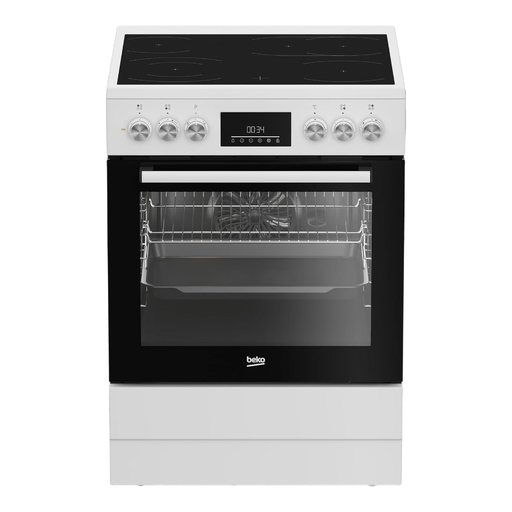
Why we recommend this product: The Beko freestanding cooker combines a large 72-litre oven capacity with an efficient steam cleaning function (SteamShine). Its 8 heating modes, including fan cooking with a ring element, allow for versatile food preparation. The ceramic hob, featuring a dual-circuit and a roasting zone, offers great flexibility.
Pros:
Who it's for: Households of 3-5 people who bake and cook regularly and are looking for an appliance with a large capacity and easy cleaning. As a standard 60cm cooker, it fits into most kitchens.
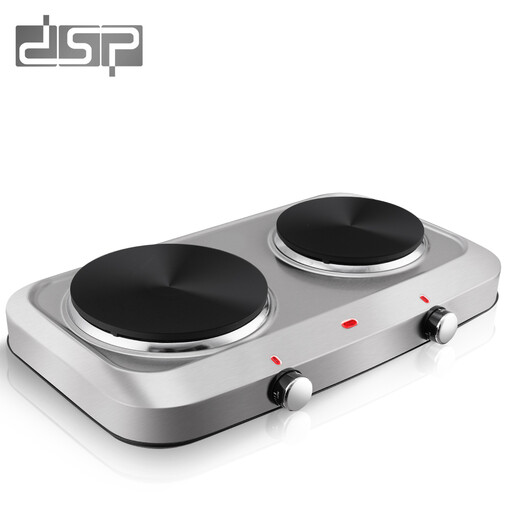
Why we recommend this product: This model stands out for its portability and ease of use. With two independently controlled hot plates (1500W and 1000W) and a durable stainless steel housing, it's a functional solution for situations where a full-sized cooker isn't practical.
Pros:
Who it's for: Students, campers, holiday home owners, or anyone needing an extra cooking surface for parties or as a temporary solution.
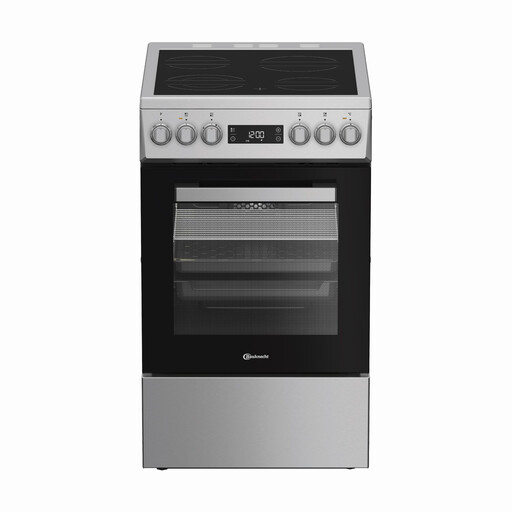
Why we recommend this product: The Bauknecht cooker offers a balanced combination of advanced features and energy efficiency. The hydrolytic cleaning function simplifies maintenance, while the 8 oven functions and electronic controls ensure precise cooking. The 4-point residual heat indicator enhances operational safety.
Pros:
Who it's for: Users who value precise control, easy cleaning, and efficient energy consumption. The appliance is well-suited for standard kitchens and households of 2-4 people.
The longevity and performance of an electric cooker depend heavily on regular and proper care. Cleaning the ceramic hob and the oven interior is particularly crucial. For stubborn stains and routine maintenance, there are specialised products designed for these materials. A selection of suitable cooker cleaners can help protect the surfaces and maintain functionality.
1. What is the difference between a ceramic hob and an induction hob? A ceramic hob generates heat via heating coils under the glass-ceramic plate, which is then transferred to the cookware. The cooking zone itself gets hot. An induction hob uses an electromagnetic field to generate heat directly in the base of the cookware. The cooking zone itself only heats up indirectly from the residual heat of the pot, which is considered more energy-efficient and safer.
2. How much electricity does a freestanding electric cooker use? Power consumption depends on the energy efficiency class and usage. According to the EU label, a modern Class A appliance typically consumes between 0.75 and 1.0 kWh per oven cycle. The hob's consumption varies greatly depending on the power level setting and duration of use.
3. What does "self-cleaning" mean for an oven? A self-cleaning cooker has a program that automates the cleaning of the interior. With hydrolytic cleaning, water is turned into steam to soften grime, which can then be wiped away. With pyrolytic cleaning, the oven heats up to over 400°C, incinerating food residue into ash that can be easily removed after cooling down.