
Lieferung heute & morgen

Qualitätsgarantie

Willkommens-Angebote freischalten: KOSTENLOSE Lieferung | Bis zu 80 % RABATT | Kostenlose 30-Tage-JoyPlus-Testphase
App herunterladen
An electric fan heater can warm rooms quickly, supplement central heating or make working from home more comfortable. The choice ranges from compact PTC fan heaters to portable oil-filled radiators. Wattage is not the only deciding factor: the design, thermostat, noise level and safety features all determine whether the appliance is genuinely suitable for everyday use.
An electric heater 2000 W can warm a room quickly. However, when operating at full power, it can use up to 2 kWh per hour. An energy-saving fan heater does not automatically reduce consumption because of its design. Consumption is mainly affected by thermostat control, lower power settings and short operating times.
You should therefore look for:
Manufacturers’ heating-area specifications usually relate to specific conditions. Ceiling height, insulation, outdoor temperature, window area and open doors all affect the actual performance. A 2,000 W appliance may be suitable for a small to medium-sized room, but it is not automatically sufficient for every living situation.
For bedrooms, studies or individual seating areas, a compact portable fan heater is often enough. In a draughty or poorly insulated room, however, a permanent heating solution may be more suitable.
A quiet fan heater should have a specific noise level stated. Values of around 30 to 45 dB may be suitable for bedrooms or offices; higher levels are more likely to be noticed when concentrating or at night. Bear in mind that fan noise, alert sounds and display illumination should be considered separately.
A ceramic fan heater, also known as a PTC fan heater, warms the air using a ceramic heating element and distributes it with a fan. It is suitable when you need heat quickly in a specific location. PTC stands for a temperature-dependent resistor. However, this technology does not replace proper use: the air vents must not be covered.
An oil-filled radiator works without airflow and releases heat more slowly but more evenly. Models such as the Midea NY2009-24UR are of interest to users looking for a portable supplementary heater with a thermostat and quiet operation. The surface can become hot, so sufficient distance from textiles, furniture and children is essential.
Maximum power alone says little about comfort. Finely adjustable temperature ranges are more practical. Some appliances, for example, can be adjusted from 5 to 35 °C. An electric fan heater with thermostat automatically reduces or switches off its heating power when the target temperature is reached.
The following features are also relevant for everyday use:
Look for clearly described safety features such as overheat protection and tip-over protection. A CE marking is mandatory for many electrical products sold in the EU, but it does not provide blanket approval for every type of use. Read the operating instructions and check whether the model is suitable for the intended room.
For safe operation:
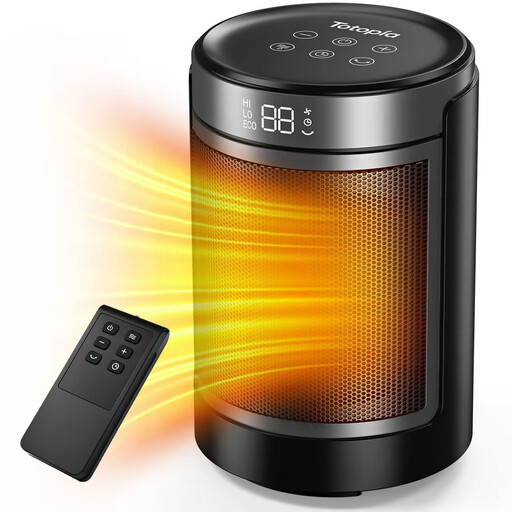
Why this product suits this profile: The compact appliance offers fan mode, 750 W, 1,500 W and ECO mode. The timer, display, remote control and oscillation cover important everyday functions for bedrooms, offices or studies.
The four operating modes mean you do not have to heat continuously at maximum power. The timer limits operating time.
PTC heating element, 1–12-hour timer, remote control and tip-over protection according to the product description.

Why this product suits this profile: According to the manufacturer, the model is designed for 15–25 m² and has an adjustable thermostat range of 5–35 °C, 70° oscillation and a remote control.
The stated noise range of 25–42 dB and the specific temperature settings make the comfort claims easier to verify than a description such as “whisper-quiet”.
2,000 W PTC heating, 12-hour timer and, according to the manufacturer, eight levels of protection including overheat and tip-over protection.
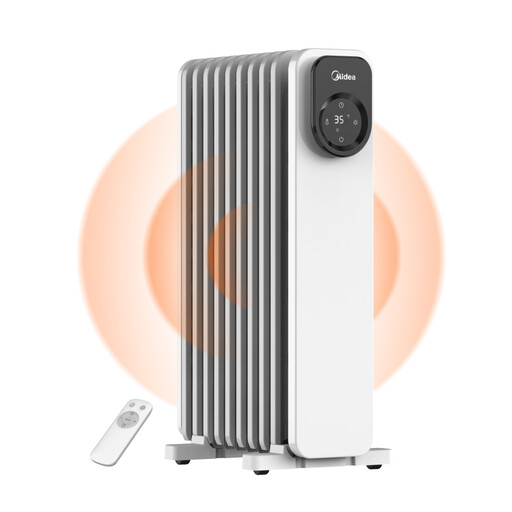
Why this product suits this profile: This portable electric room heater is an oil-filled radiator and, according to the product details, offers nine fins, a thermostat, remote control, LED touchscreen and four modes.
This design does not need a fan. That removes the typical noise source found in fan heaters, but you will need to allow time for the appliance to warm up.
Quiet operation without airflow, plus a thermostat, remote control and tip-over protection according to the product description.

Why this product suits this profile: According to the manufacturer, the compact appliance weighs 1.44 kg, has a stated noise level of 25–42 dB and is designed for 10–20 m².
The specific dB rating helps you assess its suitability for quiet rooms. The thermostat range of 5–35 °C supports time-limited, needs-based use.
1,500 W power, remote control, 12-hour timer and multi-layer safety features according to the product details.
We have put together a complete, regularly updated list of products that fully meet these strict selection criteria and the safety regulations applicable in the EU.
An appliance with a power rating of 2,000 W can theoretically use up to 2 kWh per hour when operating at full power. The actual cost depends on your electricity tariff, the selected heat setting and the operating time. A thermostat or Eco mode can reduce the time spent heating at maximum power, but it does not reduce electricity consumption while the appliance is actively operating at 2,000 W.
This depends on the manufacturer’s specifications and how the appliance is used. Do not leave a fan heater running unattended, position it with plenty of space around it and only use the timer in accordance with the operating instructions. For bedrooms, tip-over protection, overheat protection, a low noise level and automatic switch-off are particularly important.
The service life depends on operating time, exposure to dust, storage and build quality. Clean the air inlets regularly as instructed, move the appliance by its handle and only store it once it has cooled down completely. If the cable is damaged or you notice unusual noises or a burning smell, stop using the appliance.