
Lieferung heute & morgen

Qualitätsgarantie

Willkommens-Angebote freischalten: KOSTENLOSE Lieferung | Bis zu 80 % RABATT | Kostenlose 30-Tage-JoyPlus-Testphase
App herunterladen
An electric food chopper can make kitchen prep much easier – provided the type of appliance, bowl size and cleaning requirements suit your needs. A mini chopper with a capacity of 0.5 to 0.8 litres is often enough for one or two people. Families and anyone who regularly prepares larger quantities will need more capacity or a multi-purpose chopper with several bowls.
A high wattage may sound impressive, but it doesn’t tell you on its own whether an appliance is suitable for particular foods. You should also consider the blade design, bowl size, operating mode and maximum processing time. A 450-watt appliance may be suitable for vegetables, herbs, nuts or meat, while another model with similar power may be designed for different tasks.
Check the manufacturer’s guidance on how to use the appliance. Some models are not intended for very hard foods such as ice cubes, coffee beans or whole hard spices.
The stated capacity isn’t always the amount you should process at once. If you overfill the bowl, the ingredients won’t move around as easily. This can lead to uneven results and put extra strain on the motor.
A 0.5 to 0.8-litre bowl is suitable for onions, herbs, smaller portions of vegetables, dips or baby food. For larger quantities, a 2-litre bowl or two bowls of different sizes may be more practical. The shape of the bowl matters too: a wide base makes it easier to spread the ingredients evenly.
Not every dishwasher-safe chopper can go in the dishwasher in its entirety. Usually, the bowl, lid and removable blades are dishwasher-safe, while the motor unit should only be wiped with a damp cloth.
Before buying, check:
A chopper with a glass bowl may appeal if you prefer a material that is more scratch-resistant and less likely to retain odours. However, glass is heavier and should not be exposed to sudden changes in temperature unless the manufacturer specifically says it’s suitable.
Compact appliances save space in smaller kitchens and are handy for occasional tasks. For example, a 0.7-litre bowl is a good fit for typical quantities of onions, herbs, dressings or smaller portions of vegetables. Models with several bowls offer more flexibility, but need extra storage space.
If you’re considering a chopper with a glass bowl, check its capacity and weight, as well as any guidance on temperature resistance. Glass bowls and lids aren’t automatically suitable for hot food or use in the microwave.
A stainless steel blade is standard on many models. For more control over the texture, look for a pulse function or multiple speed settings. Short pulses help you keep ingredients in larger pieces, while processing for longer can give you a finer result.
A one-touch onion chopper is particularly straightforward to use. For herbs, nuts or meat, a pulse function can give you more control. It’s still important to add ingredients in suitable quantities and stick to the maximum operating time.
Make sure the lid is securely locked in place before switching the appliance on. The blade is sharp, so only handle it by the plastic grip or designated holder. Unplug the appliance and wait until the blade has stopped completely before removing it, cleaning it or moving the chopper.
If you have children at home, remember that an electric food chopper isn’t a toy. Keep blades and small parts out of their reach.
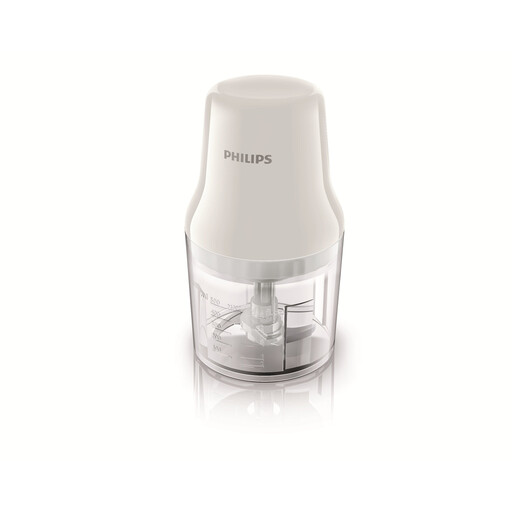
Why it suits this profile: Simply press down on the lid to operate it. With 450 watts of power and a 0.7-litre bowl, this model is suitable for everyday small to medium-sized prep tasks.
The transparent bowl lets you keep an eye on how finely the ingredients are chopped. According to the product information, the removable parts are dishwasher-safe.
450-watt motor, stainless steel blade and simple one-touch operation.
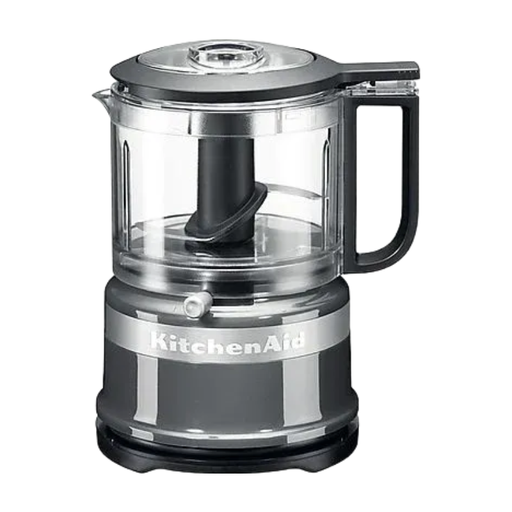
Why it suits this profile: This compact model has a capacity of 0.83 litres, two speed settings and a pulse function to suit different textures.
The speed settings mean you’re not limited to a single operating speed. The bowl is designed for controlled processing of smaller portions.
240 watts, 0.83-litre working bowl, stainless steel blade and dishwasher-safe removable parts.
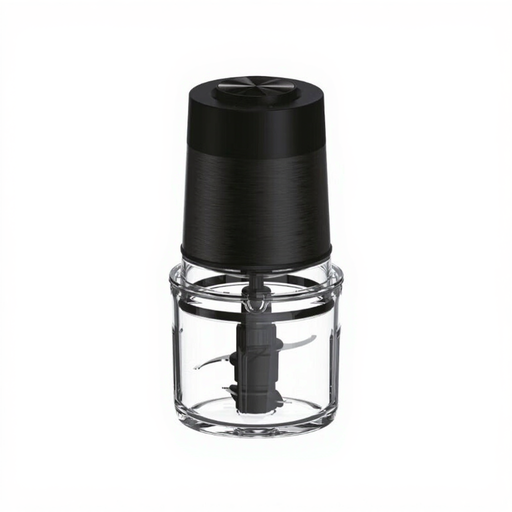
Why it suits this profile: The 0.5-litre glass bowl, four stainless steel blades and two speed settings are well suited to small portions with different ingredients.
The pulse function lets you process ingredients in stages. The product information clearly sets out its limitations when it comes to temperature changes and hot ingredients.
550 watts, glass bowl, four blades, and a bowl and blades that are dishwasher-safe according to the product information.
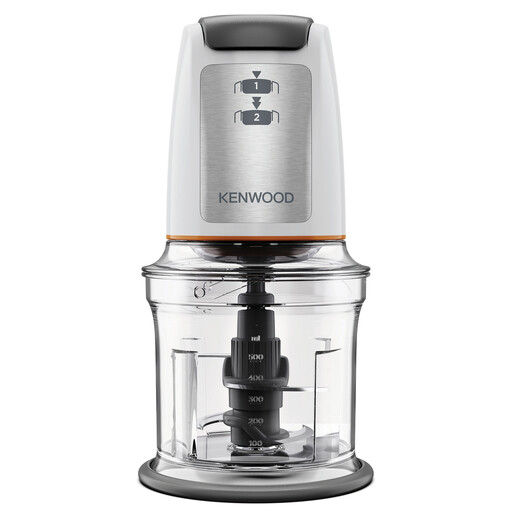
Why it suits this profile: This compact appliance has a 0.5-litre bowl, 500 watts of power and two speed settings for everyday kitchen tasks.
The two speed settings give you more choice than a chopper with just one speed. The bowl’s capacity also helps discourage you from adding too much at once.
500 watts, 0.5-litre working bowl and two speed settings.
We’ve put together a complete, regularly updated list of products that meet these strict selection criteria and comply fully with the safety regulations in force in the EU.
For onions, herbs, soft vegetables and dressings, a compact model is often enough, depending on its design. For nuts or meat, the blade design, bowl size and the manufacturer’s guidance on what the appliance can process are also important. Wattage alone isn’t a reliable way to choose.
Its lifespan depends on how you use, clean and load it. Only process foods the appliance is approved for, don’t exceed the maximum fill level and allow for the recommended breaks. It’s particularly important not to immerse the motor unit in water and to handle the sharp blades with care.
The actual running cost depends on the appliance’s power and how long you use it. A chopping cycle usually lasts only a few seconds or short bursts, so the total time it’s running is what matters most. To get a more accurate idea, compare its power consumption in watts with how long you use it each day.