
Lieferung heute & morgen

Qualitätsgarantie

Willkommens-Angebote freischalten: KOSTENLOSE Lieferung | Bis zu 80 % RABATT | Kostenlose 30-Tage-JoyPlus-Testphase
App herunterladen
An electric glass health kettle can do far more than simply boil water. Depending on its features, it may be suitable for tea, herbal infusions, fruit teas, soups, congee or temperature-controlled water for formula milk. At the same time, many appliances come with a long list of programmes and functions that do not necessarily offer added value in everyday use.
The key consideration is therefore not the number of marketing claims, but rather: which functions suit your household, how safely can the appliance be cleaned, and are the technical specifications clear and credible?
A kettle with 14 programmes sounds versatile. What matters, however, is whether the programmes suit your habits and whether the temperature and duration can be set clearly. If you regularly prepare tea, a choice of temperature settings may be more useful than a large number of programmes.
Also check whether the appliance can actually boil water, maintain a set temperature and start at a later time, or whether some functions are simply different names for similar processes.
A power rating of 1,850 to 2,200 watts can heat water quickly. However, it says little about temperature control, the keep-warm function or ease of cleaning. For households with sensitive fuses, older electrical installations or limited power capacity, a model with 800 watts may fit better into your daily routine.
Borosilicate glass is appealing to many households because the water level and infusion remain visible. Nevertheless, limescale, tea stains and pieces of fruit can stick to the heating plate, lid or sieve. A wide filling opening and removable components are therefore more important than purely aesthetic glass construction.
When choosing a borosilicate glass tea maker, pay attention to the specific material information. The term describes a heat-resistant type of glass, but it does not eliminate the need for careful handling. Sudden temperature changes – such as placing hot glass on a cold worktop – can cause damage.
Useful features include:
A kettle with tea sieve should be rinsed after every use, especially when used with herbs, pieces of fruit or sweet ingredients. Descale the appliance according to the manufacturer's instructions. Only place the jug in the dishwasher if this is expressly permitted.
A glass kettle with temperature control is useful if you want to prepare different types of tea, coffee infusions or temperature-controlled water. Temperature settings between around 40 and 90 °C cover many everyday uses. For baby food, remember that the temperature display does not replace the preparation and hygiene instructions for the formula milk being used.
A kettle with a keep-warm function can make your routine easier if the water will not be used immediately. Check how long the temperature is maintained, whether the function needs to be activated manually and whether the appliance remembers the setting after being lifted from its base.
A 1.5-litre kettle is suitable for several cups and usually takes up less space than a 1.7-litre model. For families or several people, the larger capacity may be more practical. It is still important not to exceed the MAX marking.
Essential features include:
Touch controls may look neat and intuitive, but they should also respond reliably when used with wet or slightly damp fingers. A kettle with a timer or delay-start function must not be operated unattended in places where escaping steam, heat or a spilt drink could cause damage.
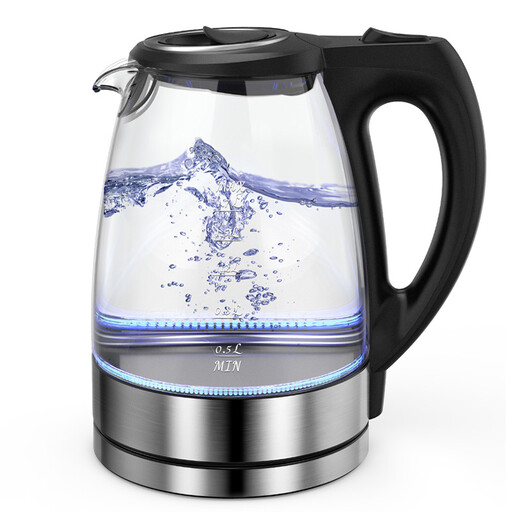
Why this product suits this profile: This model focuses on essential functions for everyday household use: 1.7-litre capacity, 1,850 to 2,200 watts, automatic switch-off and a 360° base.
Instead of a long list of programmes, the specifications focus on clear safety and performance details.
High-borosilicate glass, 304 stainless-steel heating plate, boil-dry and overheating protection.
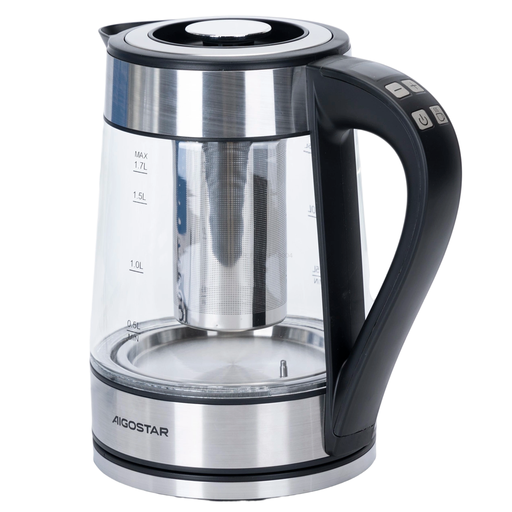
Why this product suits this profile: The 13 temperature settings, digital display and one-touch keep-warm function are designed for users who want to select temperatures precisely.
Rather than simply quoting a high power rating, the product description highlights the temperature display, memory function, boil-dry protection and overheating protection.
1.7-litre capacity, 1,850–2,200 watts, removable filter and touchscreen controls.
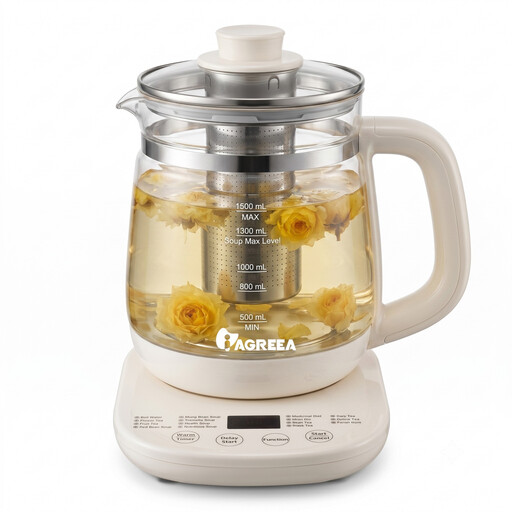
Why this product suits this profile: This multifunction kettle combines 14 preset modes with six fixed temperature settings from 40 to 90 °C. It is suitable for tea, herbal infusions, fruit drinks and warm water.
The wide jug and removable parts make it easier to rinse away limescale and residue. The details of the programmes and temperature settings are clearly specified.
1.5-litre capacity, 800 watts, large stainless-steel tea sieve, plus keep-warm and delay-start functions.
We have put together a complete, regularly updated list of products that fully meet these strict selection criteria and the safety regulations applicable in the EU.
Running costs depend primarily on power, the amount of water and duration of use. An appliance rated at 2,200 watts uses more energy per minute at full power than an 800-watt model. However, it may heat up faster. Whenever possible, heat only the amount of water you need and switch off the keep-warm function when it is not required.
Limescale affects heating performance and taste. Depending on the hardness of the water in your area, regular descaling may be necessary. Do not use abrasive sponges on glass surfaces, and do not leave pieces of fruit or herbs in the sieve for extended periods.
Borosilicate glass is used in various water and tea kettles and is designed to withstand high temperatures. Nevertheless, you should avoid sudden temperature changes. Check the jug for cracks or visible damage before every use.
A model with temperature settings can heat water to a selected temperature. However, when preparing baby food, you must follow the instructions provided by the infant formula manufacturer, use the correct water quality and observe the recommended hygiene procedures. A keep-warm function is no substitute for safe preparation and storage.
Its service life depends on the materials, how it is used, limescale build-up and care. Pouring carefully, descaling regularly and checking the glass, lid, cable and base can help extend its useful life. If the glass is damaged, stop using the appliance.