
Lieferung heute & morgen

Qualitätsgarantie

Willkommens-Angebote freischalten: KOSTENLOSE Lieferung | Bis zu 80 % RABATT | Kostenlose 30-Tage-JoyPlus-Testphase
App herunterladen
An electric grill can be used in the kitchen, on the dining table or – depending on the model – in a sheltered outdoor area. For many households, it does not replace a large barbecue station, but it does offer a compact way to prepare meat, fish, vegetables, sandwiches or paninis with controllable heat.
When buying an electric grill, however, some typical marketing claims can lead to poor decisions. It is not just the wattage or eye-catching design that matters, but the combination of grilling area, temperature control, plate design and ease of cleaning.
The power rating in watts initially describes how much electrical energy the appliance can consume at most. On its own, it says little about how evenly heat is distributed across the grilling surface. A 2,400-watt appliance may be suitable for larger surfaces, but it also requires correspondingly more electrical power.
You should also consider:
A non-stick coating can reduce food sticking to the surface. However, it still requires gentle cleaning. Metal utensils, scouring pads and harsh cleaning products can damage the surface. It is therefore important to check whether the plates are removable and dishwasher-safe, or whether they may only be cleaned with a damp cloth.
A grease collection tray is also relevant: it catches escaping fat and cooking juices and can make cleaning the work surface easier. The main appliance must not be immersed in water for the models described.
A multifunction grill with contact grill, table grill and plancha functions offers several ways to use it. At the same time, an appliance that opens out requires more storage space and may be heavier. Before buying, therefore, check whether you will use the desired function regularly or whether it simply sounds appealing on the packaging.
A compact electric table grill measuring around 22 × 14 cm is particularly suitable for individual portions, toast or paninis. For families, larger surfaces of around 600 cm² or more are more practical. An electric table grill with an open grill plate is suitable for preparing food together at the table, while a contact grill heats both sides at the same time and therefore often takes up less space.
You should also check:
Continuously variable or multi-level temperature control is useful when preparing different foods. Sandwiches require different settings from vegetables or thicker cuts of meat. An electric grill with temperature control can be used more flexibly than a model with a fixed operating temperature.
Separate thermostats for the top and bottom are particularly useful when the grill is open. An integrated thermometer or digital display makes monitoring easier, but does not replace following the relevant cooking instructions for each food.
Grill plates made from aluminium, steel or cast iron differ in terms of weight, heat distribution and care requirements. A coated surface should not be handled with sharp-edged metal utensils. Look for non-slip feet, heat-resistant handles and a stable base on a level, heat-resistant surface.
For indoor use: even an indoor grill can produce steam, odours and a small amount of smoke. Models with a water tray or grease collection system can limit smoke during operation, provided they are used according to the instructions. An appliance that the manufacturer states is intended exclusively for indoor use must not be operated outdoors. Conversely, an outdoor appliance should only be used outside if the manufacturer expressly permits this.
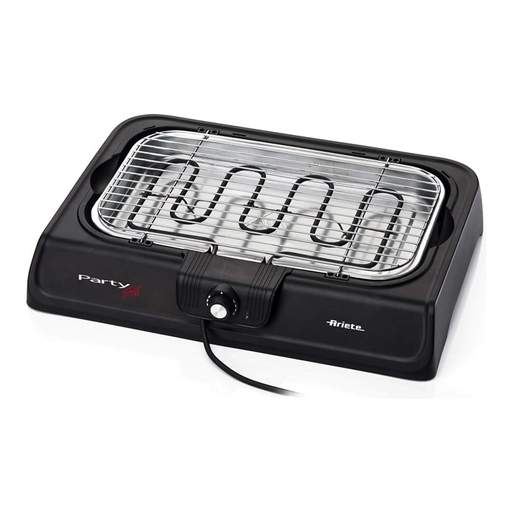
Why this product suits the profile: The rectangular appliance delivers 2,000 W of power, is 39 cm wide and is suitable for preparing simple grilled dishes at home.
The stated power rating is combined with a compact design, without promoting unnecessary additional functions.
2,000 W of power, a rectangular shape and a weight of 1.87 kg.

Why this product suits the profile: Suitable for users who prefer automatic programmes and documented features for preparing different foods.
The removable plates, which the product specifications state are dishwasher-safe, and the juice collection tray address the cleaning effort involved.
2,100 W, 9 automatic programmes, 2-in-1 function and app support.
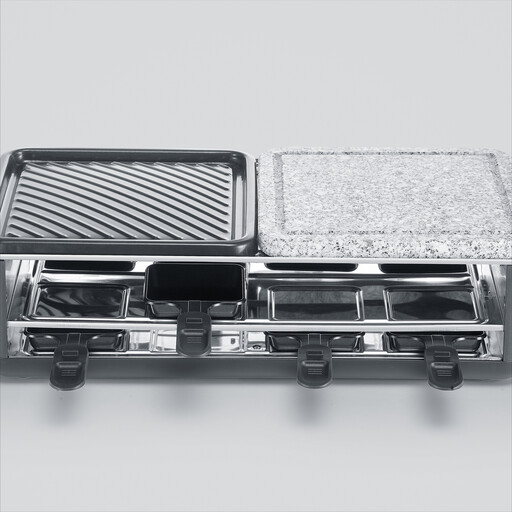
Why this product suits the profile: Designed for sociable meals at the table with several people and a variety of ingredients.
The variable temperature control and clearly stated 8 pans make its intended use for groups easy to understand.
Natural stone, ceramic-coated grill plate, 20 mm-deep pans and a keep-warm area.
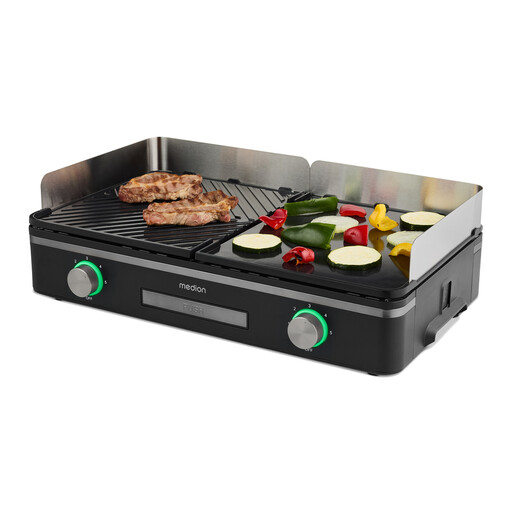
Why this product suits the profile: Two independently controlled grilling zones allow different foods to be prepared at the same time.
Temperature control for each zone prevents all ingredients from having to cook at the same setting.
2,400 W, two removable plates, LED display and grease collection system.
We have put together a complete, regularly updated list of products that fully meet these strict selection criteria and the safety regulations applicable in the EU.
Consumption depends on the power rating and operating time. In theory, a 2,000-watt appliance uses 2 kilowatt hours if it operates continuously at full power for one hour. In practice, the heating element cycles on and off after preheating, so actual consumption may be lower. For an individual estimate, multiply the power rating in kilowatts by the usage time and your electricity price.
An appliance explicitly labelled as an indoor grill can be used on a suitable kitchen or table surface. Ensure adequate ventilation, keep it away from flammable objects and make sure it stands securely. A grill approved for outdoor use is not automatically suitable for indoors. The manufacturer’s specifications and operating instructions are decisive.
Its service life depends on how often it is used, cleaning, storage and the condition of the coating, cable and heating element. Gentle utensils, allowing the appliance to cool completely before cleaning and storing it in a dry place can reduce wear. If you use it frequently, removable plates and available replacement parts are practical criteria to consider when choosing a model.