
Lieferung heute & morgen

Qualitätsgarantie

Willkommens-Angebote freischalten: KOSTENLOSE Lieferung | Bis zu 80 % RABATT | Kostenlose 30-Tage-JoyPlus-Testphase
App herunterladen
When temperatures drop, a reliable heat source becomes essential. An electric heater offers a flexible and targeted solution, especially in rooms that are not used constantly or where central heating is insufficient. Whether in a home office, bedroom, or as a supplementary heater in the living room, a portable heater can significantly increase your comfort.
However, the selection is vast: from the fast-heating fan heater to the heat-retaining oil radiator, there are various technologies with specific advantages and disadvantages. This guide will help you understand how different types of heaters work and make an informed decision that meets your needs for performance, energy efficiency, and safety.
Choosing the right device depends on your individual needs. Three key criteria will help guide your decision.
The method of heat generation is crucial for the intended application:
The power of an electric heater is measured in watts (W) and should be appropriate for the room size. As a rule of thumb, you should account for about 75 to 100 watts of power per square meter. A 2000-watt device is therefore suitable for rooms up to approximately 20–25 square meters.
To control energy consumption, an electric heater with a thermostat is a wise investment. The thermostat measures the room temperature and automatically switches the device off once the desired temperature is reached. This ensures energy is only consumed when truly necessary. Models with a timer function or different heat settings offer additional ways to optimize operation and run an electric heater economically.
Safety is a priority with any electric heating device. Look for certified models that include essential protection mechanisms:
Furthermore, ensure the device is placed on a stable, level, and fire-resistant surface, and maintain a safe distance from flammable materials such as curtains, furniture, or clothing.
Based on functionality, safety features, and applications, we have compiled a selection of models for different needs.
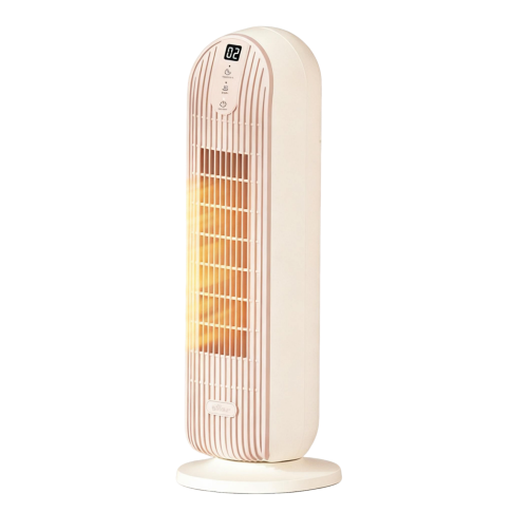
Why it stands out: This model combines high power with intelligent heat distribution. The upward-tilted air outlet and oscillation feature ensure that warm air is distributed quickly and widely throughout the room.
Advantages:
Who is it for? Ideal for users who need quick and straightforward warmth in medium-sized rooms like living rooms or offices and value wide, even air circulation.
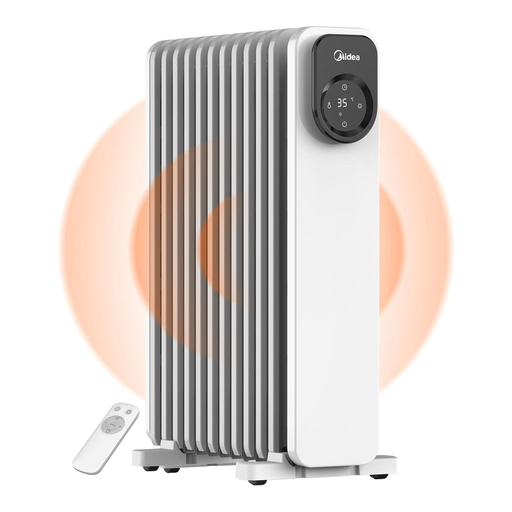
Why it stands out: As a classic electric radiator, this oil-filled model delivers constant and long-lasting radiant heat. Operation via remote control and a touch panel offers modern convenience.
Advantages:
Who is it for? Perfect for users who prefer even, silent, and draft-free warmth for extended periods, for example, in the bedroom or a permanently used home office.
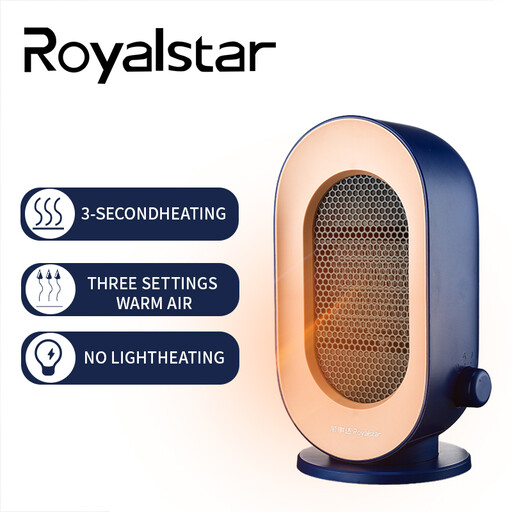
Why it stands out: This compact device is designed for personal, direct warmth. With its low power consumption and rapid heat-up time, it is a highly targeted heat source.
Advantages:
Who is it for? A great solution for anyone looking for a quick, spot-heating source at their workstation or in a reading nook, without incurring high energy costs for heating the entire room.
The models presented here are designed for indoor use. If you are looking for heating solutions for sheltered outdoor areas, such as a covered patio, you can find more options in our Outdoor Patio Heater for Covered Porch category.
1. How much electricity does an electric heater use? Power consumption depends on the wattage and duration of use. A 2000-watt (2-kilowatt) device running for one hour at its highest setting will consume 2 kilowatt-hours (kWh). The actual cost depends on your electricity tariff. A model with a thermostat helps reduce consumption, as it only turns on when needed.
2. Are modern electric heaters safe? Yes, modern devices from reputable manufacturers are equipped with important safety features like overheat protection and tip-over protection. When used properly—on a stable surface, with sufficient distance from flammable objects, and without covering the air vents—operation is safe.
3. What is the main difference between a fan heater and an oil radiator? A fan heater warms the air and actively distributes it with a fan. It heats up quickly but also cools down fast. An oil radiator heats an internal oil, which slowly and evenly releases warmth into the surroundings. It takes longer to heat up but retains the heat for a while after being turned off and operates silently.