
Lieferung heute & morgen

Qualitätsgarantie

Willkommens-Angebote freischalten: KOSTENLOSE Lieferung | Bis zu 80 % RABATT | Kostenlose 30-Tage-JoyPlus-Testphase
App herunterladen
An electric heater can provide flexible warmth in a bedroom, office or smaller living space. Before you buy, though, it’s worth looking closely at its power, controls and safety features. Many products look similar at first glance, but can differ significantly in noise levels, ease of use and the spaces they’re best suited to.
A 2,000-watt electric heater can warm a room quickly, but at full power it also uses 2 kWh per hour of operation. A 1,200 to 1,500-watt fan heater may be enough for a small home office. The right choice depends on room size, insulation, outdoor temperature and how long you plan to use it.
You can estimate the running costs with a simple calculation:
Power in kW × operating hours × electricity price per kWh = running costs
A 1,500-watt heater is equivalent to 1.5 kW. A thermostat can reduce how long it runs, but it’s still important to have a realistic idea of your energy use.
Claims such as “whisper quiet” or “particularly quiet” are hard to assess without a measurement. The stated noise level matters if you’re choosing a heater for a bedroom or office. For example, one DREO model lists 34 dB during operation, with a noise range of 25 to 42 dB in its technical specifications. The actual level may therefore vary depending on the fan setting.
A ceramic fan heater usually works with a fan. This provides warm air quickly, but does create some operating noise. An oil-filled radiator distributes heat more slowly and works without a fan.
A remote control, display and timer make a heater easier to use. They don’t automatically prevent overheating or the heater from tipping over. Look for specific features such as overheat protection, tip-over protection, a heat-resistant casing and clear operating instructions.
Never cover a heater. Keep curtains, furniture, clothing and bedding at a safe distance. For bathrooms or damp rooms, only use a heater that is explicitly approved for those environments.
A 1,200 to 1,500-watt fan heater may be suitable for small, well-insulated rooms. Larger rooms or those that lose heat more quickly may need a more powerful heater or a longer warm-up time. Treat the manufacturer’s recommended room size as a guide, not a guarantee of a particular room temperature.
An electric heater with several power settings gives you more flexibility. Models with settings of 750, 1,000 or 1,500 watts can be adjusted more closely to your actual heating needs than heaters with just one setting.
An electric heater with a thermostat measures the room temperature and adjusts its heating output to match your chosen setting. This is more practical for longer periods of use than leaving a heater running continuously.
An energy-efficient fan heater isn’t guaranteed by its design alone. Electricity is converted into heat; savings mainly come from shorter running times, choosing the right power setting and accurate temperature control. If a product has an ECO mode, check what kind of control it actually offers.
A heater with a timer can switch off after a preset period. Depending on the model, this may range from 1 to 12 or 24 hours. A timer is a convenience feature and shouldn’t be treated as a substitute for supervising the heater while it’s in use.
A compact space heater is easy to move between the bedroom, home office and living room. An oil-filled radiator is heavier, but often has wheels and continues to give off some warmth for a while after being switched off. A wall-mounted heater or bathroom radiator is less flexible, but can be a good choice for a permanent location.
Before buying, also check the space it will take up, cable length, weight and how stable its base is. A portable heater must be placed on a level, firm and heat-resistant surface.
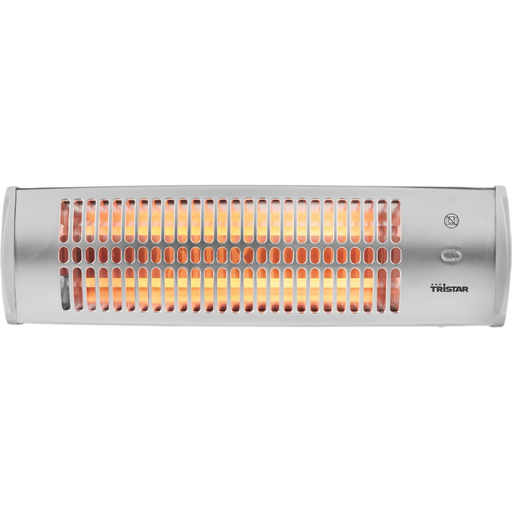
Why this product suits these needs: This 1,200-watt heater is worth considering if you want a simple, plug-in source of extra heat for a smaller room.
The power rating is clearly stated. The timer can allow the heater to switch off automatically after between 1 and 12 hours.
1,200 watts, simple controls and ceramic elements with a run-on cooling function, according to the product description.

Why this product suits these needs: Quiet operation, thermostat control and a remote control make it a good option for a bedroom, office or home office.
The manufacturer states that it operates quietly at 34 dB, has a temperature range of 5 to 35 °C and offers eight safety features. Check these details against the instruction manual.
1,500 watts, a 12-hour timer, remote control, tip-over protection and a stated coverage area of 10 to 20 m².
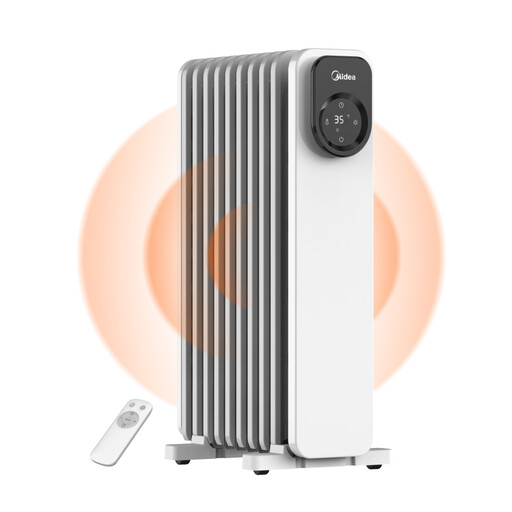
Why this product suits these needs: This portable oil-filled radiator is suitable for a living room, bedroom or home office if you prefer even heat without a fan.
The product description specifically advises placing the heater on a stable surface, keeping it at least 1 m from flammable materials, and limiting use to well-insulated rooms or occasional heating.
2,000 watts, nine fins, a thermostat, four operating modes, wheels, and overheat and tip-over protection, according to the product details.
We’ve put together a complete, regularly updated list of products that meet these strict selection criteria and fully comply with the safety regulations in force in the EU.
It depends on the heater’s rated power and how long it runs. A 1,500-watt heater uses 1.5 kWh if it runs at full power for one hour. A thermostat, ECO mode and lower power settings can reduce its actual running time and, in turn, its energy use.
For a bedroom, important features include a low stated noise level, a thermostat, a timer and tip-over protection. A fan heater warms the room quickly, but makes fan noise. An oil-filled radiator works without a fan, but usually takes longer to heat up and is heavier to move.
Its lifespan depends on its design, how often it’s used, how much dust it’s exposed to and how well it’s maintained. Clean the air inlets regularly, following the instructions. Don’t overload or cover the heater, or try to repair it yourself. If the cable, casing or heating element is damaged, replacing the heater or contacting an authorised service centre is preferable.