
Lieferung heute & morgen

Qualitätsgarantie

Willkommens-Angebote freischalten: KOSTENLOSE Lieferung | Bis zu 80 % RABATT | Kostenlose 30-Tage-JoyPlus-Testphase
App herunterladen
Rising energy costs and a desire for greater flexibility are leading many households to seek alternative or supplementary heating methods. A well-chosen electric heater can provide a targeted, on-demand heat source for individual rooms without having to run the central heating system at full blast. Whether for a chilly home office, the bathroom in the morning, or as a boost in the living room – the possibilities are diverse.
This guide is designed to provide you with objective information and clear guidance. We will introduce various technologies and models to help you make an informed decision that suits your needs and your home.
The selection of the right electric heater depends on several factors. To make the best choice, you should consider the intended use, room size, and desired features.
Electric heaters use different technologies to generate heat. The most common types are:
Modern electric heaters offer features that not only enhance comfort but also help you save on heating costs.
Here is a selection of products that cover different needs – from a permanently installed solution for the bathroom to a flexible portable heater.
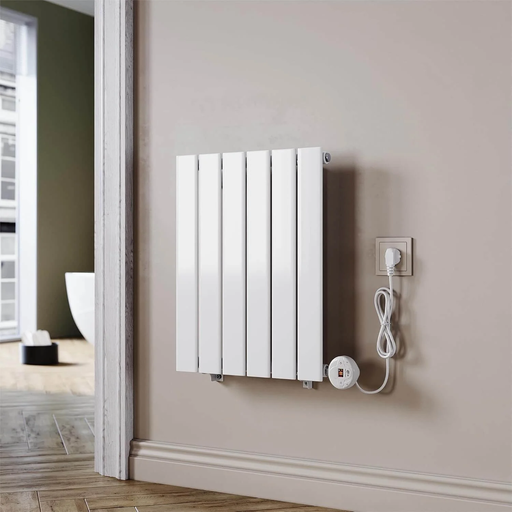
What makes this product stand out The SONNI panel radiator is specifically designed for indoor use, such as in the bathroom. It combines the function of a radiator with that of a towel warmer. The programmable thermostat and timer function allow for on-demand heat control, contributing to energy efficiency. Made from high-quality SPCC steel, it ensures good heat distribution and durability.
Advantages
Who is it for? For those looking for a fixed, efficient, and space-saving heating solution for the bathroom who also appreciate the comfort of pre-warmed towels.
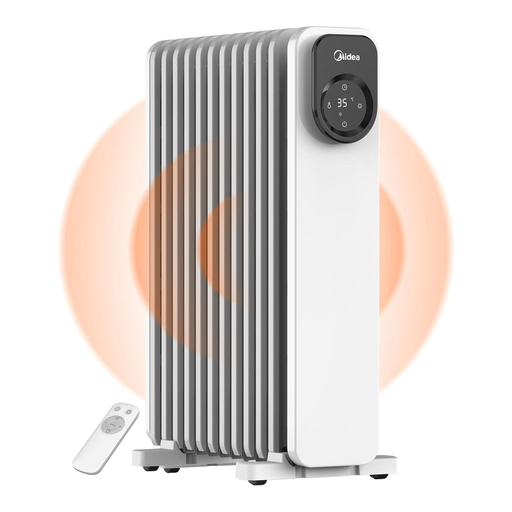
What makes this product stand out The Midea NY2009-24UR is a classic portable electric heater in the form of an oil-filled radiator. With 2000 W of power, it is suitable for heating well-insulated rooms or for occasional use. As an oil-filled radiator, it provides even and long-lasting radiant heat. It can be conveniently controlled via an LED touch panel or the included remote control. Safety features such as overheat and tip-over protection are also integrated.
Advantages
Who is it for? For users who need a powerful and flexible supplementary heater for living rooms, bedrooms, or the home office, and who value a quiet and constant heat source.
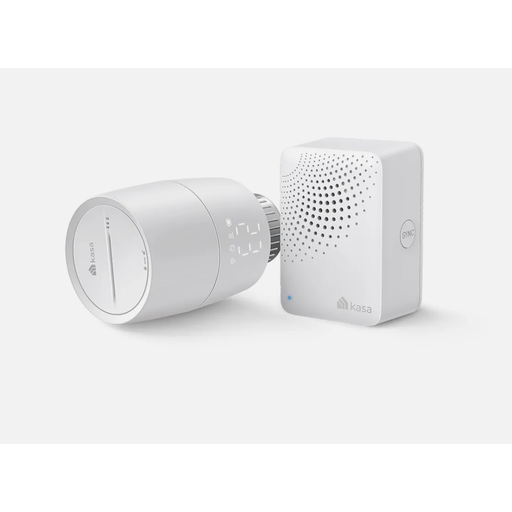
What makes this product stand out The TP-Link Kasa KE100 Kit is not a standalone heater, but a solution for the smart heating control of existing water radiators. The set, consisting of a thermostat and a hub, allows you to make conventional radiators smart. Through the Kasa app, you can create precise heating schedules and control the temperature from anywhere. Thanks to Matter compatibility, it can be seamlessly integrated into popular smart home systems like Apple Home, Google Home, or Amazon Alexa to actively save on heating costs.
Advantages
Who is it for? For tech-savvy users who want to optimise their existing central heating system to increase comfort and reduce energy consumption through targeted control.
Haven't found the right product for your needs yet? For portable and personal heat sources, such as electric blankets or foot warmers, you can find a wide selection in our Body Warmers category.
The electricity consumption depends on the device's power (in watts), the duration of use, and your electricity tariff. For example: A heater with 2000 watts (2 kilowatts) consumes 2 kilowatt-hours (kWh) of electricity in one hour of operation. Assuming an electricity price of 30 cents per kWh, the cost for that one hour would be 60 cents. A radiator with a thermostat helps to reduce consumption, as it only heats when needed.
Yes, a portable electric heater can be very sensible. It allows you to heat only the room you are currently in. This means the temperature of the central heating in the rest of the house can be lowered, which can help save on heating costs. It is ideal for rarely used rooms, during transitional seasons, or as an emergency heater.
An oil-filled radiator heats up slowly but retains heat for a long time and releases it evenly as radiant heat. It operates silently. A convector heater, on the other hand, warms the air and circulates it in the room (convection). It heats up faster but also cools down more quickly. The choice depends on whether you prefer quick, short-term warmth (convector) or a constant, long-lasting base heat (oil-filled radiator).