
Lieferung heute & morgen

Qualitätsgarantie

Willkommens-Angebote freischalten: KOSTENLOSE Lieferung | Bis zu 80 % RABATT | Kostenlose 30-Tage-JoyPlus-Testphase
App herunterladen
When central heating isn't quite enough, or when certain rooms like a home office, bedroom, or workshop only need occasional warmth, an electric heater offers a flexible and targeted solution. However, the sheer variety of technologies and models can be overwhelming. This guide is designed to help you understand how they work and make an informed decision that aligns with your needs for efficiency, noise level, and safety.
As your Joybuy Product Recommendation Officer, I’ve compiled the essential information to give you a clear overview of the available options.
Before you decide on a model, several fundamental criteria should be considered. These will help you narrow down the options and find a device that reliably gets the job done.
Electric heaters use different principles to generate heat. Each technology has specific characteristics that make it more suitable for certain applications.
Power consumption is a crucial factor. Look for features that enable efficient operation:
A modern supplementary electric heater should have fundamental safety mechanisms. Standard features include overheat protection, which shuts the unit off if temperatures get too high, and tip-over protection, which deactivates it immediately if it's accidentally knocked over. Look for certifications like the CE mark, which confirms compliance with European safety standards.
Based on the criteria above, we have curated a selection of heaters with different technologies, suitable for a variety of needs.
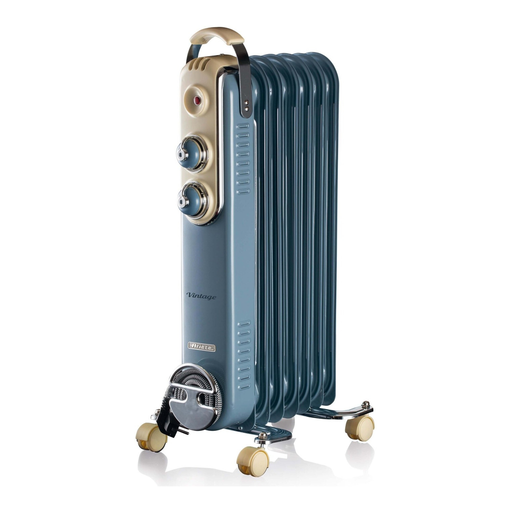
Why it stands out: This device combines the proven technology of an oil-filled radiator with an appealing retro design. It provides long-lasting and completely silent heat.
Pros:
Who is it for? For users seeking a silent and steady heat source for rooms up to 20 m? and who appreciate distinctive aesthetics. Ideal for extended heating periods in the living room or bedroom.
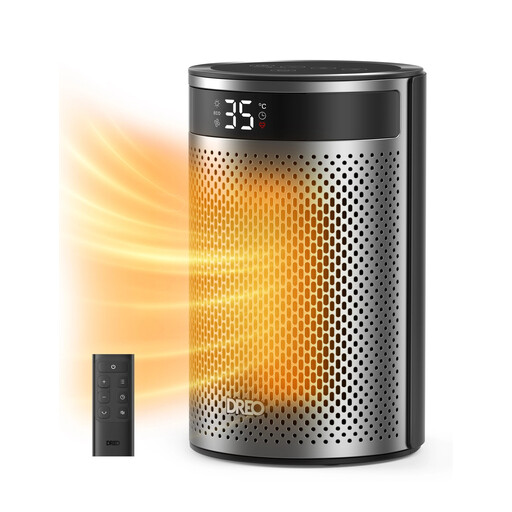
Why it stands out: According to the manufacturer, this compact ceramic heater delivers warmth within seconds while operating at an exceptionally quiet 34 dB. Its focus is on rapid efficiency and comprehensive safety features.
Pros:
Who is it for? For those who need fast, targeted heat for a home office, bathroom, or as a small heater for a 20 m? space. The combination of quiet operation and a remote control makes it very user-friendly.
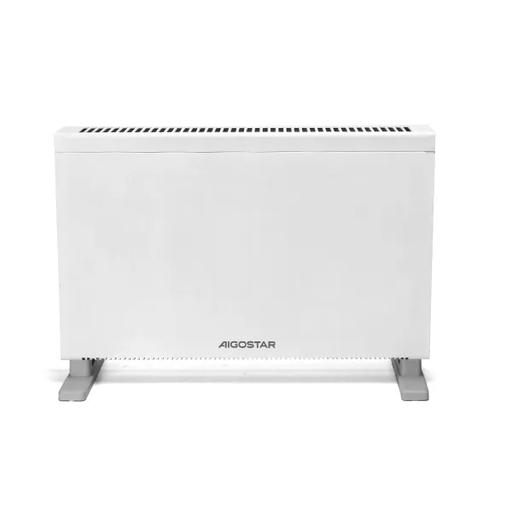
Why it stands out: This convector heater uses natural air circulation for draught-free and quiet heating of medium-sized rooms. It features modern controls via an LED touch display or the included remote.
Pros:
Who is it for? For users who prefer quiet, even heating for living rooms or offices and appreciate convenience features like a programmable timer and remote control.
If you are specifically interested in the silent and even heat distribution of convector heaters, you can find a wider selection of models based on this heating principle in our category.
Discover more Convector Heaters.
Power consumption primarily depends on the wattage and the duration of use. The most efficient devices are those that intelligently manage their power output. Models with a precise thermostat, an ECO mode, and a timer function are generally more economical because they only heat when truly necessary. For short, targeted use, a fan heater can be the more frugal choice, while an oil-filled radiator proves its efficiency during continuous operation.
As a rule of thumb, you need about 80 to 100 watts of power per square meter for a room with standard ceiling height and insulation. Therefore, for a 20 m? room, a device with a heating capacity of 1500 to 2000 watts is a good choice. All the models presented here are suitable for this room size.
Modern devices sold in the EU must meet strict safety standards and are marked with a CE certification. Standard safety features like overheat protection (automatic shut-off at high temperatures) and tip-over protection (shut-off if the unit falls over) minimize operational risks. Nevertheless, the manufacturer's safety instructions, such as keeping air vents clear and maintaining a safe distance from flammable materials, should always be followed.