
Lieferung heute & morgen

Qualitätsgarantie

Willkommens-Angebote freischalten: KOSTENLOSE Lieferung | Bis zu 80 % RABATT | Kostenlose 30-Tage-JoyPlus-Testphase
App herunterladen
When the temperatures drop but it’s not cold enough to run the central heating at full blast, a single chilly room can significantly impact your home's comfort. Whether it's your home office, a rarely used guest room, or a boost for your living area, a targeted heat source is often the more practical and efficient solution. An electric heater offers a flexible and straightforward way to quickly create a comfortable temperature.
This article serves as your guide. We'll introduce different types of heating technology, explain key features like energy efficiency and safety, and present a selection of models designed for various needs and room sizes.
The decision for the right electric heater depends on several factors. To make an informed choice, the following aspects are particularly important.
Electric heaters use different technologies to generate heat. The two most common types for portable use are convector heaters and fan heaters.
Smart controls are essential for managing electricity consumption. The following features enable you to operate an electric heater efficiently:
Safety is the top priority for any electric heating device. Look for certified models that come standard with the following protective mechanisms:
Based on the criteria mentioned above, we have compiled a selection of heaters suitable for different use cases.
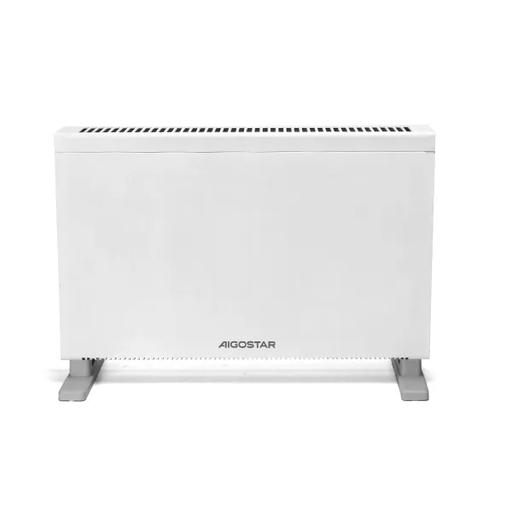
What makes this model stand out
The Aigostar convector heater is designed for even and quiet heating of medium-sized rooms. Its natural convection creates a pleasant warmth without disruptive fan noise. It can be operated conveniently via an LED touch display or the included remote control.
Advantages
Who is it for? Ideal for users looking for a quiet electric space heater for living rooms, bedrooms, or larger offices who value the convenience of remote operation.
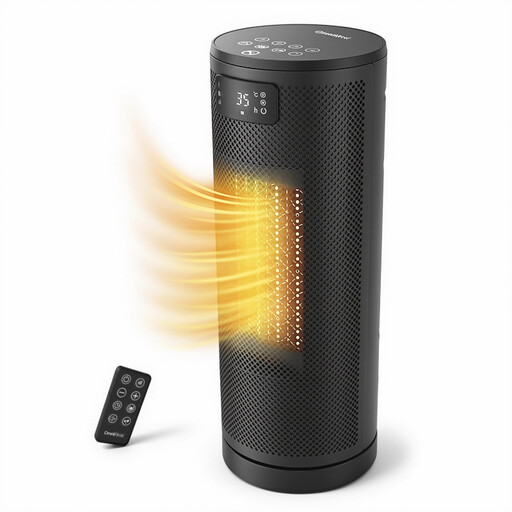
What makes this model stand out
This ceramic fan heater from OmniHeat combines rapid heat generation with smart energy-saving features. The precisely adjustable thermostat and ECO mode ensure a constant temperature with optimised consumption. Thanks to its quiet operation, it's also a great choice for noise-sensitive environments.
Advantages
Who is it for? Perfect for users who need fast, targeted heat in an office or living room and want to benefit from smart, energy-efficient features.
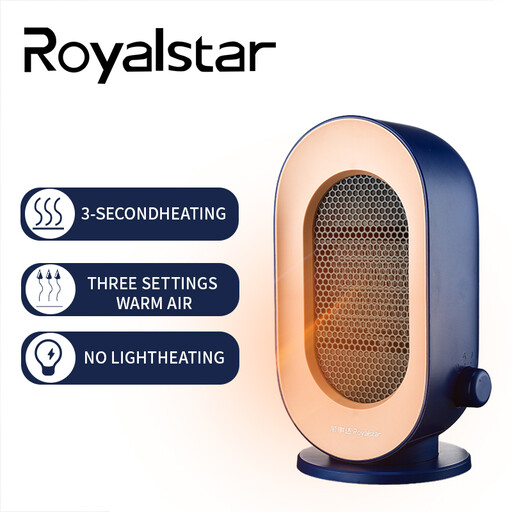
What makes this model stand out
The Royalstar heater is a prime example of a compact and portable heating device. With its low power consumption of 600W and rapid heat-up time, it's an excellent solution for direct warmth at a workstation or in small, confined areas.
Advantages
Who is it for? The right choice for anyone looking for a personal heat source for their desk, under the table, or for a very small room, and who prefers a straightforward, ready-to-use solution.
The models presented cover common use cases, but the market offers an even greater variety. If you are looking for different power levels, designs, or specific features, you may find the right model in our broader selection.
Discover more products in our [Heaters] category.
Electricity consumption depends directly on the device's power rating (in watts) and its duration of use. A 2000-watt (2 kW) heater running continuously for one hour will consume 2 kilowatt-hours (kWh) of electricity. However, models with a thermostat are significantly more efficient because they only turn on when the temperature drops below the set point, rather than heating continuously.
There is no one-size-fits-all answer; the choice depends on the intended use. A fan heater is ideal if you want to quickly warm up a specific area, such as your feet under the desk. A convector heater is better suited for quietly and evenly bringing an entire room to a comfortable base temperature, like a bedroom before you go to sleep.
Modern electric heaters that comply with European safety standards are safe when used correctly. Be sure to look for the two most important features: overheat protection and tip-over protection. Additionally, always place the unit on a firm, level surface and maintain a safe distance from flammable materials such as curtains, furniture, or bedding. Never cover the device.