
Lieferung heute & morgen

Qualitätsgarantie

Willkommens-Angebote freischalten: KOSTENLOSE Lieferung | Bis zu 80 % RABATT | Kostenlose 30-Tage-JoyPlus-Testphase
App herunterladen
An electric heater can warm rooms flexibly or deliver targeted heat to your feet, shoulders and body. The choice ranges from the classic fan heater and convector heater to the oil-filled radiator, electric blanket and heated cushion. What matters is not the longest list of features, but how well the heating output, intended use, ease of operation and safety features match your needs.
A power rating of 2,000 watts can heat a room quickly, but the appliance uses more electricity while running than a 1,000-watt model. You can estimate the actual cost as follows:
Power in kilowatts × operating time in hours × electricity price per kilowatt-hour = cost
A 2,000-watt fan heater running at full power, for example, uses 2 kWh per hour. A thermostat, ECO mode or automatic switch-off can reduce running time, but none of these replaces a realistic assessment of electricity consumption. The term “energy-saving heater” should therefore always be checked against the available operating modes and controls.
A fan heater uses a fan. The noise can be disruptive in a bedroom or home office. A specific figure in dB is more meaningful than terms such as “whisper quiet”. The OmniHeat model, for example, is described as having three noise levels of up to 50, 45 and 38 dB. The DREO Solaris SH628 product description gives a range of 25 to 42 dB. These figures come from the respective product specifications and should be considered in relation to the selected operating level.
Overheat protection and tip-over protection are important features, but they do not prevent every hazard. Heaters must not be covered or placed directly next to curtains, furniture or other flammable materials. A hard, level and dry surface is required. Many appliances are expressly unsuitable for bathrooms or other damp areas.
For smaller rooms or direct heat at your workstation, a 1,200 to 1,500-watt appliance may be sufficient. 1,800 to 2,000 watts provide greater heating output for larger or more thoroughly chilled rooms. Suitability also depends on ceiling height, insulation, outdoor temperature and how quickly you want the room to heat up.
A ceramic fan heater with a PTC heating element warms the air being discharged quickly and is suitable for heating for limited periods. A convector heater works mainly through natural air circulation and can be quieter without a fan. An oil-filled radiator responds more slowly, but continues to give off heat after being switched off, making it an interesting option for longer periods of steady heating.
An adjustable thermostat helps you set a target temperature instead of running the appliance continuously at maximum power. Other practical features include:
For a quiet fan heater, you should also check whether the low noise rating applies only to fan mode or to the heating setting as well.
Look for information about overheat protection, tip-over protection, a heat-resistant housing and clear operating instructions. High-output appliances should be operated directly from a suitable wall socket. Extension leads or multi-way adaptors are only suitable if they are rated for the relevant load.
Electric blankets, heated cushions and foot warmers have additional requirements: they must not be used when wet, folded tightly during use or damaged with needles or sharp objects. Automatic switch-off is particularly important for this product category.

Why this product suits the profile: This compact appliance combines 750-watt and 1,500-watt settings with ECO mode, remote control and a timer for bedrooms, studies or smaller living spaces.
The four modes make the choice of output clearer than a maximum rating alone. The timer and ECO mode can limit operating time and power consumption.
PTC heating element, LED display, 1–12-hour timer, plus tip-over and overheat protection according to the product description.

Why this product suits the profile: Ideal for users looking for temperature control, oscillation and a documented noise range in one appliance.
The product specification states 25–42 dB, a temperature range of 5–35 °C and several safety features, rather than making only general marketing claims.
2,000 watts, 70-degree oscillation, remote control, ECO function and, according to the supplier, eight safety levels.
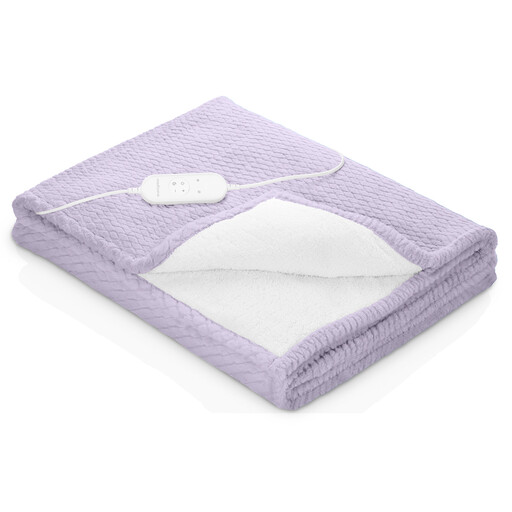
Why this product suits the profile: This electric blanket is designed for use on the sofa or in bed when warmth is needed for one person rather than the entire room.
At 120 watts, its rated output is significantly lower than that of a room heater. Nine temperature settings and automatic switch-off after 120 minutes make time-limited use easier.
180 × 130 cm, nine temperature settings, detachable controller, machine washable at 30 °C and overheat protection according to the product specifications.
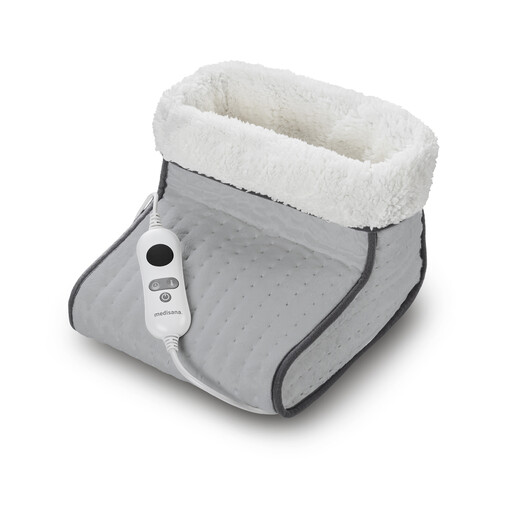
Why this product suits the profile: This electric foot warmer directs heat to your feet, making it suitable for the office, home office or sofa without continuously warming the room.
Its use is clearly limited to one area of the body. A 1–6-hour timer prevents the appliance from being left on unintentionally for an extended period.
100 watts, six temperature settings, interior suitable up to shoe size 46, removable and washable lining at 30 °C, plus overheat protection.
We have put together a complete, regularly updated list of products that fully meet these strict selection criteria and the safety regulations applicable in the EU.
Position an electric heater with a sufficient clearance from textiles and furniture. Keep the air vents unobstructed. Do not use the appliance to dry clothes, and unplug it before cleaning, moving or storing it. After use, allow a fan heater to cool down first.
For electric blankets, heated cushions and foot warmers: do not use them while sleeping, do not operate them when wet, and stop using them immediately if you notice visible damage to the cable, controller or heating surface. People with reduced sensitivity to heat should take particular care when considering use and seek medical advice if necessary.
This depends on the rated output and operating time. A 2,000-watt appliance uses 2 kWh per hour at full power, while a 1,000-watt appliance uses 1 kWh. A thermostat, timer and ECO mode can reduce actual consumption by appropriately controlling the heating duration or output level.
For short periods of heating, a compact ceramic fan heater or a quieter convector model may be suitable. An oil-filled radiator can be a good choice for longer periods of even heat. Check the noise rating, tip-over protection, overheat protection and automatic switch-off. The appliance should not be operated unattended or directly next to the bed.
Lifespan depends on build quality, exposure to dust, operating time and proper care. Ventilation grilles should be cleaned regularly with a dry cloth. Check the cable, plug and housing for damage before every use. A warranty, such as the one-year manufacturer’s warranty stated for some products, should not be confused with a generally guaranteed service life.