
Lieferung heute & morgen

Qualitätsgarantie

Willkommens-Angebote freischalten: KOSTENLOSE Lieferung | Bis zu 80 % RABATT | Kostenlose 30-Tage-JoyPlus-Testphase
App herunterladen
An electric heater can be a practical source of extra warmth in your living room, bedroom, home office or bathroom. The options range from portable oil-filled radiators and convector heaters to wall-mounted and towel radiators. But differences in heat output, controls, dimensions and safety features can determine whether a particular model really suits your space and everyday needs.
A 2000-watt heater uses 2 kWh for each hour it runs at full power. This tells you about its maximum electrical power consumption, but not whether it’s suitable for every room. A lower setting may be enough for a small, well-insulated bedroom. In a poorly insulated room, heat loss and electricity use will be higher.
That’s why it’s important to consider room size, insulation, how long you want to use the heater and how it’s controlled. Treat recommended room-size figures as a guide, not a guarantee.
An electric heater converts electricity directly into heat. A model with a thermostat, timer or Eco mode can help limit how long it runs, but it won’t automatically use less electricity than another direct electric heater to produce the same amount of heat. An energy-efficient electric heater is mainly about choosing the right size, using it for shorter periods and setting the temperature accurately.
An electric bathroom radiator or towel radiator shouldn’t be installed close to a shower or bath just because of its design. Check the manufacturer’s guidance on its IP rating, permitted installation area and electrical connection. Appliances not specifically approved for use in damp areas don’t belong in the bathroom.
With a wall-mounted radiator, you’ll also need to consider the wall type, fixings, cable routing and, where necessary, professional installation. A portable heater is more flexible, but still needs enough space around it, away from furniture and fabrics.
Several power settings are useful on many portable heaters, as they let you adjust the heat to suit the room and the situation. A 1500-watt model may be enough for occasional use in smaller rooms, while a 2000-watt model offers more power in reserve. You shouldn’t rely on the highest setting all the time if a lower one will do.
A fan heater with a thermostat, a convector heater or an electric radiator with temperature control will switch the heat on or off when it reaches the set temperature. A timer is handy if you only want the heater to run for a set period. A radiator with a remote control or LED touchscreen is easier to operate, but doesn’t replace safe positioning.
Before you buy, check:
An oil-filled electric radiator gives off heat evenly through its fins and may stay warm for a while after it’s switched off. It’s usually heavier than a convector heater, but wheels make it easier to move. A convector heater warms the air through natural convection and is often more compact.
Whatever the design, look for overheat protection, tip-over protection or a stable construction, and an easy-to-reach switch-off control. Never cover the heater. The portable models mentioned here are specifically designed to be kept at least 1 metre away from curtains, bedding, paper and other combustible materials.
The recommendations below group specific models by intended use and the features listed for each product.
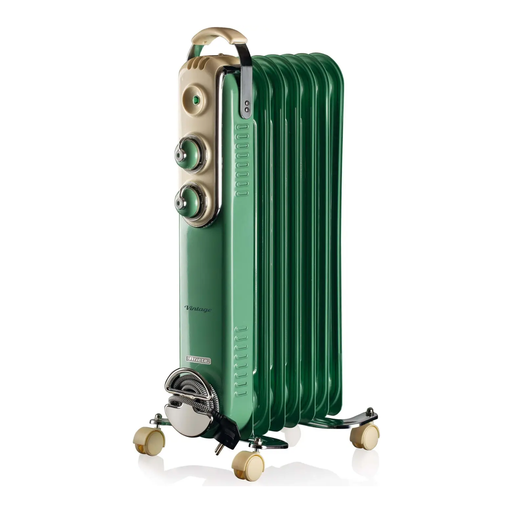
Why this product suits this profile: Three heat settings and 360-degree swivel castors provide the essentials for occasional warmth in smaller living rooms or bedrooms.
At 1500 watts, it means you don’t have to run a 2000-watt heater at full power for every situation. However, the listed product specifications don’t mention automatic temperature control.
Three heat settings, a carry handle and four wheels; listed as an oil-filled radiator.
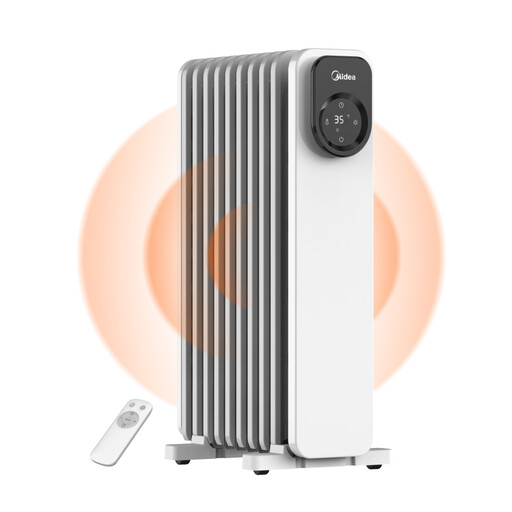
Why this product suits this profile: Designed for comfortable control in living rooms, bedrooms or home offices, it combines 2000 watts of power with four operating modes, a thermostat, remote control and LED touchscreen.
The thermostat and range of modes help you match the heat output to your needs. The instructions call for a stable, level surface and at least 1 metre of clearance from combustible materials.
Nine fins, 2000 watts, thermostat control, remote control, plus overheat and tip-over protection according to the product description.
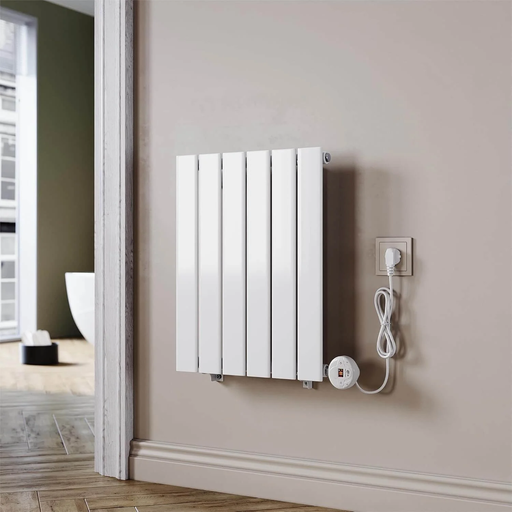
Why this product suits this profile: This model is designed for households planning a dedicated heating and towel-drying area, with programmable temperature control and a timer function.
The timer and programmable thermostat help limit how long it runs. Before buying, check the manufacturer’s guidance on the installation area and IP rating for bathroom use.
Programmable thermostat, timer function and SPCC construction according to the product description.
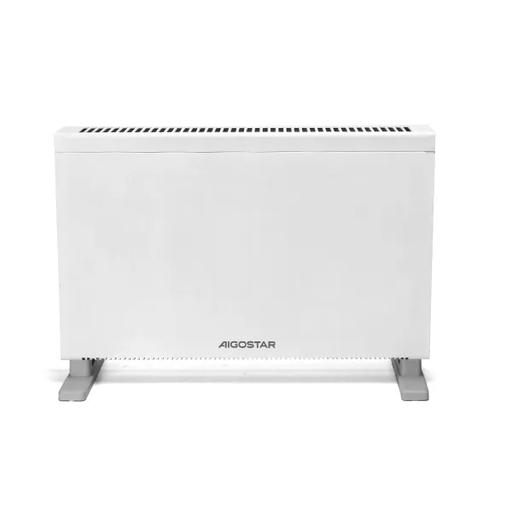
Why this product suits this profile: With several modes, a remote control, LED touch controls and programmable timer settings, this convector heater is designed for regular indoor use.
The timer can help reduce unnecessary continuous running. Tip-over and overheat protection address two common safety risks; according to the product information, the heater isn’t suitable for damp environments.
Power settings from 1250 to 2000 watts, temperature adjustment from 5 to 35 °C and a timer of up to 24 hours, according to the product specifications.
We’ve put together a complete, regularly updated list of products that meet these strict selection criteria and fully comply with the safety regulations in force in the EU.
You can estimate running costs with this simple calculation:
Power in kW × hours of use × electricity price = electricity cost
A 2000-watt heater is equivalent to 2 kW. Running it for two hours uses 4 kWh. The actual cost depends on your electricity tariff. A thermostat and timer can limit how long the heater runs once it reaches the desired temperature.
Follow these basic rules when using portable heaters safely:
It depends on the rated power and how long it actually runs. A 2000-watt heater uses 2 kWh per hour at full power. Thermostat control, lower power settings and a timer can reduce overall consumption if they mean the heater runs for less time.
There’s no reliable way to give a set lifespan without knowing how it’s used, cared for and who made it. Storing it in a dry place, keeping the ventilation areas clear and using it as intended can help reduce wear. Oil-filled radiators must not be opened or refilled.
Only if the manufacturer specifically approves it for bathroom use and its IP rating and permitted installation area are suitable. An ordinary portable heater isn’t automatically suitable for damp areas. A suitably qualified professional should install any permanently connected appliance.