
Lieferung heute & morgen

Qualitätsgarantie

Willkommens-Angebote freischalten: KOSTENLOSE Lieferung | Bis zu 80 % RABATT | Kostenlose 30-Tage-JoyPlus-Testphase
App herunterladen
Electric heaters are a flexible way to provide additional warmth in the bedroom, living room, office or home office. They can usually be set up quickly and do not require permanent installation. However, the wide range of options does not automatically make it easy to find the right appliance. The key factors are not just wattage and price, but also controls, noise levels, safety features and how you actually intend to use the heater.
A 2,000-watt fan heater can warm a room quickly, but at full power it also uses 2 kWh of electricity per hour of operation. You can estimate the actual cost roughly as follows:
Power in kW × operating time in hours × electricity price per kWh
An energy-saving fan heater does not automatically use less electricity simply because it is advertised with ceramic technology or an ECO mode. The greatest potential for saving comes from lower power settings, a thermostat and automatic switch-off. If you only want to warm cold feet or preheat a bed, you will often need considerably less power than you would to heat an entire room.
A heater with a remote control, LED display and oscillation can be convenient in everyday use. However, these features do not replace suitable heating power or safe positioning. Check whether the timer can actually be set for long enough, whether the thermostat regulates the temperature automatically and whether the remote control operates all the important functions.
Noise levels are also relevant for a fan heater in the bedroom or office. Fans inevitably produce some noise because of the way they work. Descriptions such as “quiet” or “Low Noise” should therefore be supported by specific decibel values or a clear product description.
A heater must not be covered, operated on soft textiles or positioned near curtains and furniture. Overheat protection and tip-over protection are important features, but they do not prevent unsafe use. The operating instructions and information about clearance, the surface and the power supply remain decisive.
The CE mark documents compliance with applicable EU requirements, but it is not an independent quality seal. Also check that the mains plug is undamaged, that the instructions are easy to understand and available in German, and that the manufacturer or responsible person details are complete.
Typical portable fan heaters and ceramic fan heaters offer around 1,200 to 2,000 watts. The power required depends, among other things, on the room size, insulation, outdoor temperature and desired target temperature. A general square-metre recommendation can therefore only serve as a guide.
An electric heater with a thermostat automatically reduces or switches off the heating power once the target temperature has been reached. This can prevent unnecessary continued heating. Nevertheless, maximum power consumption remains an important cost factor.
A fan heater with a timer is practical for limited periods of use, such as preheating a room. Depending on the model, settings range from a few hours to 24 hours. In a bedroom, the timer should be set so that the appliance does not unintentionally run all night.
Oscillation distributes warm air across a wider angle. This is particularly useful when several people are sitting in the room. A stationary appliance with a directed airflow may be sufficient at a desk, however. A remote control makes operation easier from the sofa or bed, but is not essential for occasional use.
The casing should stand securely and the air vents must remain unobstructed. Place the appliance on a hard, level and dry surface. Fan heaters should not be placed on beds, sofas or deep-pile carpets. Observe the safety clearance from curtains, furniture and other flammable objects specified in the instructions.
Powerful models require a suitable wall socket. Extension leads and multi-way adaptors may be unsuitable, depending on their design. If there is any visible damage to the cable or plug, stop using the appliance.
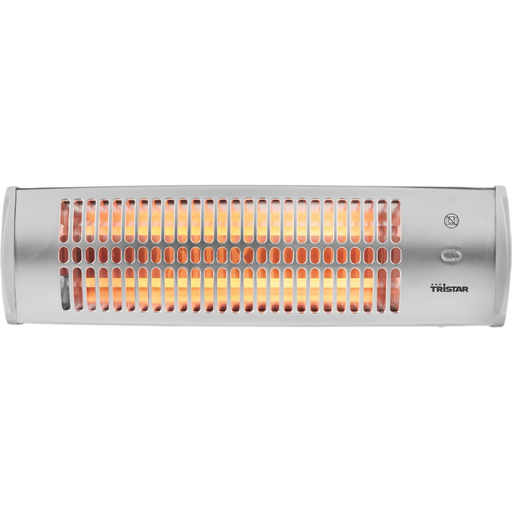
Why this product suits this profile: With 1,200 watts of power, this compact electric heater is designed to provide simple additional warmth in individual rooms or at your workstation.
Its moderate power limits maximum electricity consumption compared with more powerful appliances. According to the product details, it has a timer ranging from 1 to 12 hours.
1,200 watts of power, ceramic elements according to the description, and automatic switch-off via the timer.
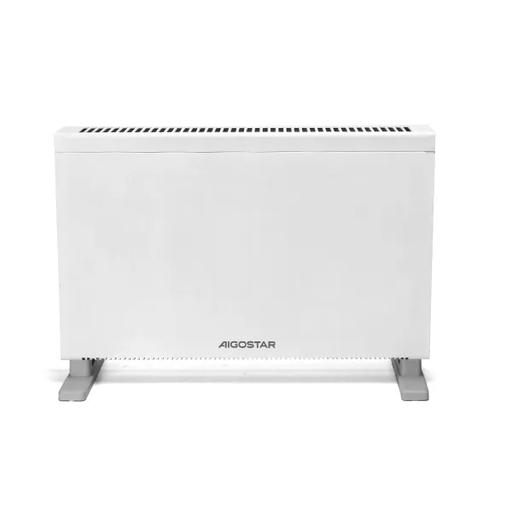
Why this product suits this profile: This convection heater offers touch controls, a remote control, thermostat regulation and programmable timing for planned use.
The product details specify power settings of 1,250 and 2,000 watts, a temperature range of 5 to 35 °C, as well as overheat and tip-over protection.
24-hour timer, LED touch controls, remote control and stated suitability for around 20 to 25 m².
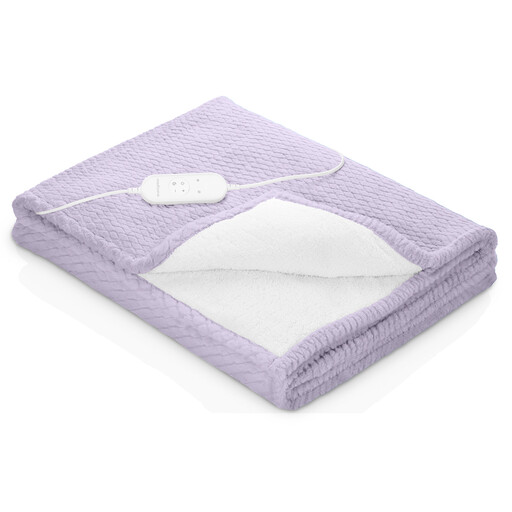
Why this product suits this profile: This electric blanket warms your sofa or bed directly, without having to heat an entire room.
At 120 watts, its stated power is considerably lower than that of a room heater. Automatic switch-off after 120 minutes and overheat protection help limit operating time.
Nine temperature settings, 180 × 130 cm size, detachable controller and machine-washable material at 30 °C.
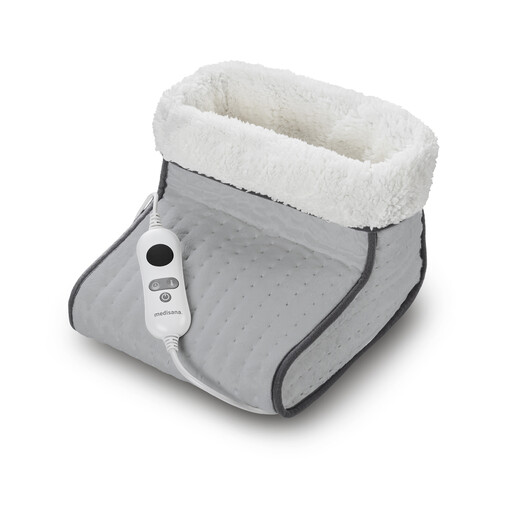
Why this product suits this profile: This electric foot warmer is designed to provide personal warmth at your desk, in your home office or on the sofa.
Its 100-watt power consumption is designed to warm your feet rather than heat a room. A timer ranging from 1 to 6 hours prevents unnecessary continuous operation.
Six temperature settings, interior suitable for shoe sizes up to 46, removable fleece and overheat protection.
We have put together a complete, regularly updated list of products that fully meet these strict selection criteria and the safety regulations applicable in the EU.
Bear these points in mind before switching on:
This depends on the power setting and operating time. A 2,000-watt appliance uses 2 kWh per hour at full power in theory. A thermostat, timer and lower setting can reduce the actual operating time and therefore consumption. However, they do not replace using the appliance according to your needs.
PTC ceramic fan heaters can provide rapid heat output. Whether a model is quieter depends mainly on the fan, its construction and the operating setting. The same applies to ceramic technology: maximum power consumption is what determines electricity costs. An ECO mode can adjust the power automatically, but should be assessed based on the specific product details.
There is no fixed duration that applies in every situation. Use the timer and thermostat to adjust the operating time to suit the room and purpose. Do not leave portable heaters running unattended, observe the safety clearances and unplug the appliance after use unless the instructions state otherwise.