
Lieferung heute & morgen

Qualitätsgarantie

Willkommens-Angebote freischalten: KOSTENLOSE Lieferung | Bis zu 80 % RABATT | Kostenlose 30-Tage-JoyPlus-Testphase
App herunterladen
An electric height-adjustable desk measuring 120x60 cm is a popular choice for home or corporate offices. It promises more movement and better posture throughout the workday. However, the market is filled with models where the differences often lie in the details. Before you make a decision, it's crucial to understand the common pitfalls that can severely limit such a desk's usefulness.
This guide will help you identify the essential features and distinguish marketing promises from actual functionality.
Many buyers focus on price and aesthetics, overlooking technical shortcomings that only become apparent during daily use. Pay special attention to these three points:
To avoid the weaknesses mentioned above, you should carefully examine three technical aspects. These determine the longevity and daily utility of your desk.
Stability is the cornerstone of an ergonomic desk. A solid steel frame is the foundation. The construction is what's critical here:
The adjustment range defines how flexible the desk is for different body heights and chairs.
The type of control influences how often you actually use the height adjustment. A desk with a memory function is a decisive advantage here. Memory buttons allow you to set your ideal sitting and standing heights once and recall them at the touch of a button. This saves you from daily readjustments and encourages regular posture changes.
Here are some recommendations tailored to different user profiles and their requirements for a home office desk.
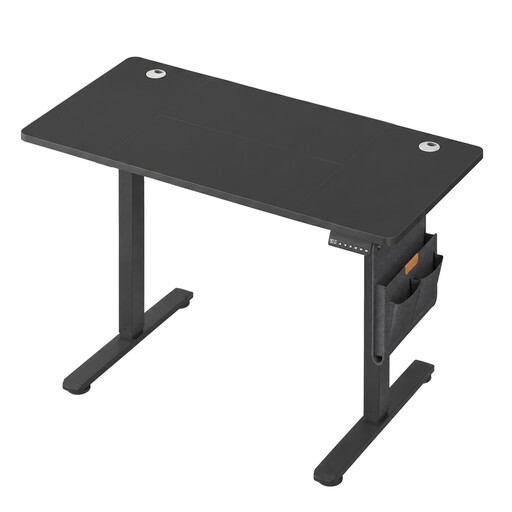
Why this model is a good fit: Ideal for users looking for a functional and straightforward solution for their first ergonomic workstation. It offers the core functions without unnecessary extras.
The motor, which the manufacturer claims is quiet, prevents noise pollution—a common complaint with entry-level models. The solid steel frame provides good baseline stability for everyday tasks.
Four memory presets for height and integrated organisational features like a side pocket and cable grommets ensure a tidy workspace from the start.
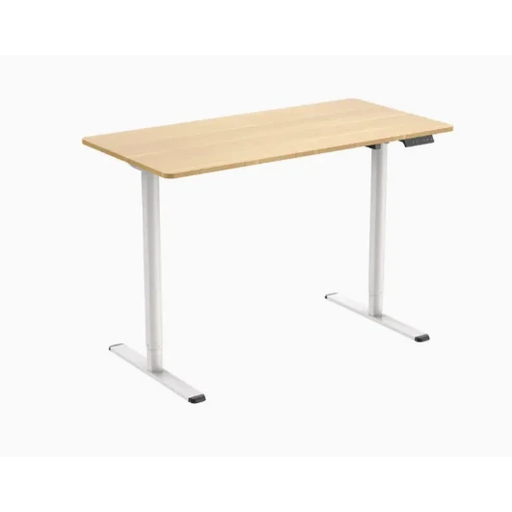
Why this model is a good fit: For users who value a seamless workflow. The precise controls and stable construction are designed for daily, intensive use.
The inverted column construction, as specified by the manufacturer Loctek, directly targets the reduction of wobble at high positions. The control panel with six buttons and four memory presets prevents cumbersome adjustments.
Four dedicated memory presets allow for quick recall of heights for sitting, standing, or even use with a treadmill. The adjustment range from 730 mm to 1180 mm covers a wide range of body heights.
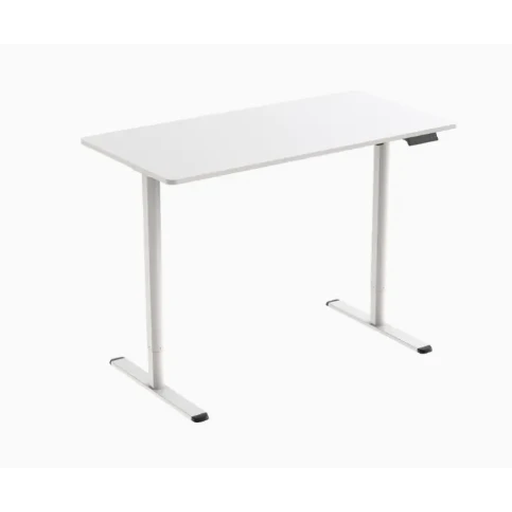
Why this model is a good fit: For users seeking a functional solution that blends seamlessly into a modern and bright office environment. The white finish provides a clean aesthetic.
This model avoids the often industrial look of some frames. Loctek's technology is designed for quiet and smooth motor operation, which minimises noise disruption.
Combines Loctek's ergonomic engineering with a minimalist, white aesthetic that integrates well into modern living and working spaces.
We have compiled a complete, up-to-date list of products that fully meet these strict selection criteria and comply with applicable safety regulations.
Stability depends on the frame's construction. Models with a dual-motor system, a robust steel build, and an inverted column design are generally more stable, even at maximum height. It is advisable not to exceed the manufacturer's specified maximum load capacity and to place the desk on a level surface.
Power consumption is typically very low. The motor only requires energy during the adjustment process. In standby mode, consumption is minimal and comparable to that of other small electronic devices at rest.
For users who plan to switch between sitting and standing several times a day, a memory function is highly recommended. It makes the transition quick and effortless, which encourages consistent use. Those who only plan to adjust the height occasionally may find a simple up-and-down control system sufficient.