Those cooking small portions
If you’re making coulis for individual lunchboxes, choose a hob with a cooking zone that suits your small saucepan and offers good temperature control.


For small batches of coulis, a variable-control single induction hob is a sensible place to start, provided your saucepan is induction-compatible and its base diameter matches the stated requirements. If you want to keep using existing saucepans that aren’t suitable for induction, consider a radiant ceramic-glass or solid hotplate. A double hob is mainly worth considering if you regularly cook two things at once. Compare the size of your saucepan, the space available and the controls rather than focusing on wattage alone.
If you’re making coulis for individual lunchboxes, choose a hob with a cooking zone that suits your small saucepan and offers good temperature control.
If you want to keep using the saucepans you already own, first check whether they’re suitable for induction or whether a differently heated electric hob would be a better match.
If you’re cooking coulis and another part of your lunchbox at the same time, a second cooking zone with separate controls could be useful.
First, check that your saucepan is compatible with the heating technology and cooking zone. Then consider the space you have and whether you’ll really use two saucepans at once.
| What you need | What to check before buying | Who should consider this? |
|---|---|---|
| Heat small portions with control | Compare the diameter of your saucepan’s base with the cooking zone; check the model’s heat settings and controls. | If I’m making a small amount of coulis in a suitable saucepan, good control over a single cooking zone matters. Around 36% of consumers put control over small portions first. |
| Keep using existing saucepans | Check the saucepan material and that its base is flat; for induction, follow the specific model’s guidance on size and cookware. | If I want to keep using my existing saucepan, the heating technology needs to suit its base. Around 29% of consumers prioritise compatibility with the saucepans they already own. |
| Cleaning and worktop space | Compare the appliance dimensions with the space available; check the surface and the cleaning instructions in the manual. | If I use the hob regularly and have limited worktop space, ease of use and a good fit matter most. Around 21% of consumers focus on the effort involved in everyday use. |
| Cook two things at once | Check for separate controls and enough space for both saucepans; follow the connection guidance for using both zones at the same time. | If I’m cooking coulis and another part of my lunchbox at the same time, a second zone could make things easier. Around 14% of consumers prioritise cooking two things at once. |
An appliance’s heat setting doesn’t measure the temperature inside the food. The German Federal Institute for Risk Assessment (BfR) recommends heating potentially contaminated frozen berries thoroughly and evenly.
For food safety, don’t rely on the appliance setting alone; follow the guidance for preparing the berries.
A ceramic-glass surface doesn’t tell you how the hob heats. The ROMMELSBACHER CT 2010/IN uses induction, while the CT 2200/E has a radiant heating element.
Check the stated heating technology, then make sure your saucepan meets the requirements of that specific model.
One cooking zone is enough for a single saucepan of coulis. A second is only useful if you really do use another saucepan at the same time.
Choose two zones only if you regularly use them together as part of your lunchbox routine.
The consumer advice centre notes that the EU energy label applies to ovens, not hobs.
Compare the hob’s specifications directly with your requirements for the cooking zone, saucepan and controls.
The models listed include single induction hobs, a single radiant ceramic-glass hob and a double induction hob.
The KP 1091 is a single solid hotplate; the DK 1014 is a double solid hotplate.
The ProMenu 2100 is a portable single induction hob.
The EKI 3569 is a single induction hob.
This selection includes portable single induction hobs, radiant ceramic-glass hobs and two-zone hobs. For each model, check that the saucepan, heating technology, available space and number of zones suit the way you cook.
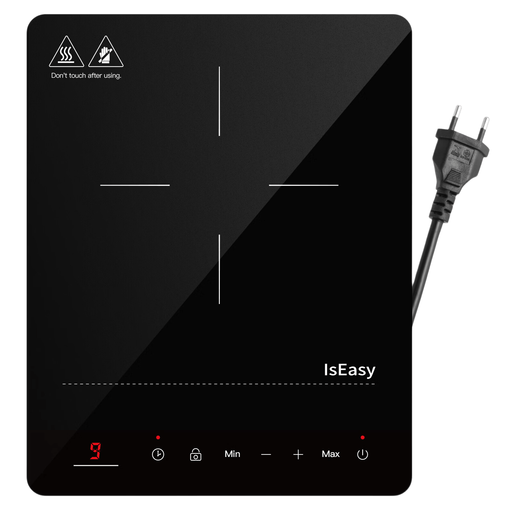 No image available
This portable single induction hob is worth considering if one cooking zone and a suitable saucepan are all you need for your coulis.
2100 W; 28 cm cooking surface; nine heat settings; 8-hour timer; child lock; Max/Min function.
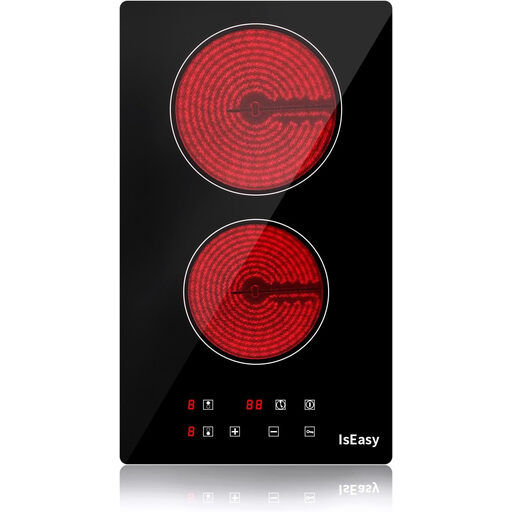 No image available
This radiant ceramic-glass hob is an option if your existing saucepan isn’t suitable for induction.
3000 W; 29.5 cm; nine heat settings; 1–99-minute timer; touch controls; automatic switch-off; child lock.
 No image available
It suits a lunchbox routine where you really do make coulis and another component at the same time.
Two cooking zones; five temperature settings.
 No image available
This portable single cooking zone is worth considering if one zone is enough to make your coulis.
1000 W; five power settings.
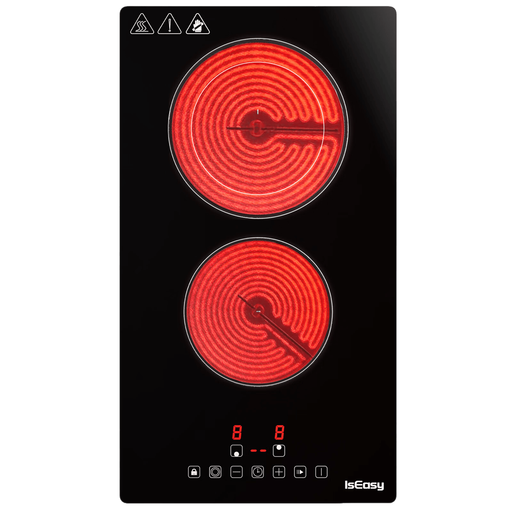 No image available
If you use two saucepans at once while preparing food, this model offers the specified two-zone configuration.
3200 W; nine power settings; pause function; child lock; overheat protection.
Check that the saucepan is suitable for induction and that its base diameter matches the guidance in the manual for that specific appliance. The German Federal Office for Radiation Protection recommends cookware of a suitable size and material; requirements can vary between models.
You shouldn’t rely on that. In 2013, the BfR warned against eating potentially contaminated frozen berries raw or after heating them only briefly or unevenly. It considered core temperatures above 90 °C apparently suitable for fully inactivating any viruses that may be present. A temperature setting on the hob doesn’t measure the temperature at the centre of the food.
Follow the setup and safety instructions in the model’s manual, and compare the appliance dimensions with the space available. Let the cooking surface cool before cleaning; a residual-heat indicator doesn’t remove the need to take care.
Plan for chilling during storage and transport too; don’t assume that heating alone will make it safe to keep. The BfR notes that inadequate temperatures during transport and storage can allow harmful germs to survive and multiply.
It depends on the guidance for your specific implant. The German Federal Office for Radiation Protection notes that electric and magnetic fields can affect active implants. Check the implant documentation and ask your healthcare professional or the manufacturer for advice about using an induction hob.