Households with staggered mealtimes
You need a cooking zone for the soup, as well as a separate plan for keeping it hot safely or chilling it until the next serving.


Choose a cooking zone to suit your soup pan and the space available. Built-in induction is a good fit for a suitable kitchen and an induction-compatible pan, while a portable hob can provide an extra cooking zone. Radiant heat is an option for other types of pan base. If you’re serving at different times, a keep-warm function alone doesn’t confirm the temperature of the soup: the German Federal Institute for Risk Assessment (BfR) advises keeping heated food at a minimum of 60 °C throughout until it is eaten. Otherwise, suitable refrigeration is an alternative.
You need a cooking zone for the soup, as well as a separate plan for keeping it hot safely or chilling it until the next serving.
You’re looking for an extra portable cooking zone, and need to check the available space, socket and pan size against the specific appliance.
You want to carry on using your existing pan, so first decide whether its base is induction-compatible or whether you need a radiant-heat cooking zone.
A good fit if: you have a suitable space for a built-in hob, need several cooking zones and have an induction-compatible soup pan.
Bear in mind: you’ll need to check the installation requirements and pan compatibility. A keep-warm function doesn’t confirm that the soup is at the right temperature throughout.
A good fit if: you need an extra cooking zone alongside a busy hob that you can put away after use, and your pan is compatible with the appliance.
Bear in mind: it has one cooking zone. Check the space available, socket and pan dimensions against the model.
A good fit if: you want to cook soup and another dish at the same time on separate zones.
Bear in mind: the hob takes up worktop space and requires sufficient power. Both pans need to be induction-compatible.
A good fit if: your existing pan isn’t suitable for induction and its base is the right size for the cooking zone.
Bear in mind: the cooking surface may remain hot after it’s switched off. A countdown timer isn’t automatically a keep-warm or automatic shut-off function.
| Priority | What to check when buying | Who is this important to? |
|---|---|---|
| Keeping soup safely until serving | The BfR advises keeping heated food at a minimum of 60 °C throughout until it is eaten. Plan to check the soup itself or chill it appropriately. | If I’m serving the soup later, I want to know how to keep it safe until then. This is the top priority for around 36% of consumers concerned about serving at different times. |
| Matching the pan to the hob | Check whether the pan base is induction-compatible and whether its diameter matches the specifications of the specific hob. | If I want to keep using my existing soup pan, it needs to work with the cooking zone. This is the main priority for around 29% of consumers. |
| Adding an extra cooking zone | Choose between one or two portable zones. Check the space available, the power connection and the manufacturer’s guidance on the socket. | If there are already other dishes on the hob, I might need a separate space for the soup pan. An extra cooking zone is the top priority for around 21% of consumers. |
| Controlling simmering and shut-off | Compare the power levels and the actual timer function of the specific model. Stir and check the soup while it’s cooking. | If I want to adjust the heat while the soup simmers, I look for suitable controls and a clearly described timer function. This is the main priority for around 14% of consumers. |
An appliance setting doesn’t automatically measure every part of the food. If you’re serving at different times, the soup itself is what matters.
Check the soup’s temperature and distinguish between keeping it hot and chilling it afterwards.
Induction requires compatible cookware, and the pan also needs to fit the appliance’s size range.
Check the pan base and dimensions before you buy. If the pan isn’t suitable, compare radiant-heat cooking zones.
Two cooking zones may need more worktop space and power.
Check the power supply and available worktop space against the specific appliance, and follow its guidance on the socket.
Portable single induction hobs. The ProMenu 2100 is an option if you need an extra cooking zone for a soup pan with a compatible induction base.
Portable hobs. The DK 1033 induction model is designed for those who need two extra cooking zones.
Portable hobs with different heating technologies. The CT 2200/E is a radiant-heat single hob rather than an induction model.
Built-in induction hobs. For the EX675LXC1E, Siemens describes areas for boiling, simmering and keeping food warm.
Built-in ceramic glass hobs with radiant heating. The HRB32310CB is a 30 cm domino hob with two cooking zones.
Built-in induction hobs. The PIE61RBB5E is one example, with a shut-off timer and child lock.
The products below include built-in induction hobs, portable induction hobs and electric hobs. Whichever hob you choose, if you’re serving at different times, the BfR advises keeping heated food at a minimum of 60 °C throughout until it is eaten. Check the soup itself or plan to chill it appropriately.
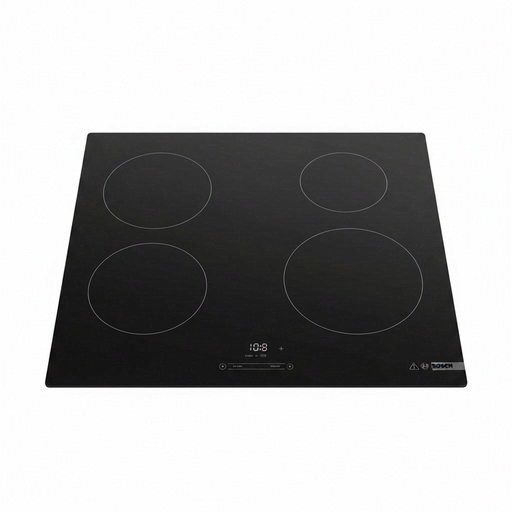 No image available
For a fitted kitchen with an induction-compatible soup pan.
Bosch lists a timer with a shut-off function and a child lock for this model. The timer doesn’t confirm that the soup will stay hot after the hob switches off.
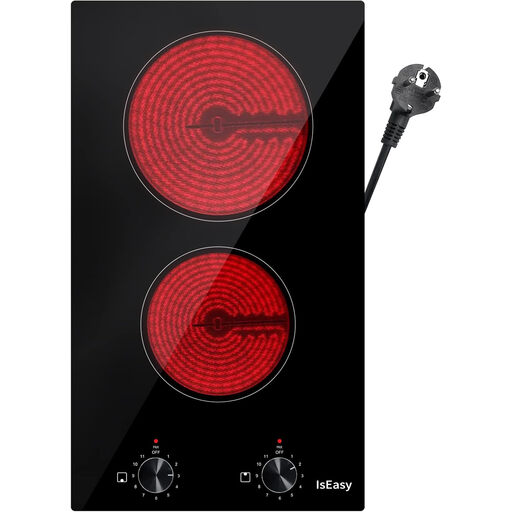 No image available
An electric ceramic glass hob for a pan that isn’t induction-compatible, with two zones for cooking at the same time.
The product name lists 11 power levels, 3200 W, 29,5 cm and rotary controls.
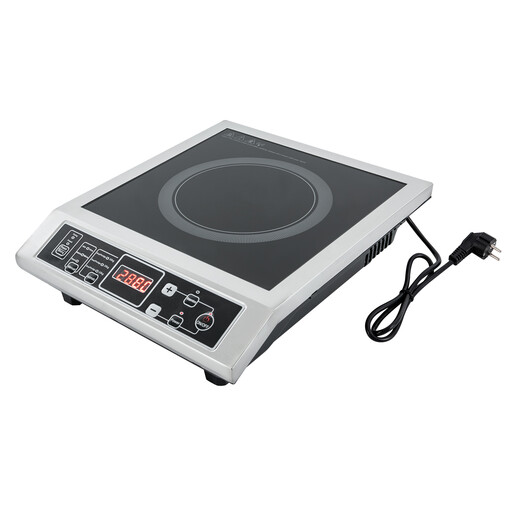 No image available
A portable single cooking zone for an extra hob space; the product name lists 8 power levels.
The product name also lists a timer, preset function, IPX4 and an EU plug. According to the product details, it’s designed for use with iron and stainless steel cookware.
 No image available
A portable electric hob to consider if your pan isn’t induction-compatible.
The product name lists a timer, touch and rotary controls, and use with heat-resistant pans.
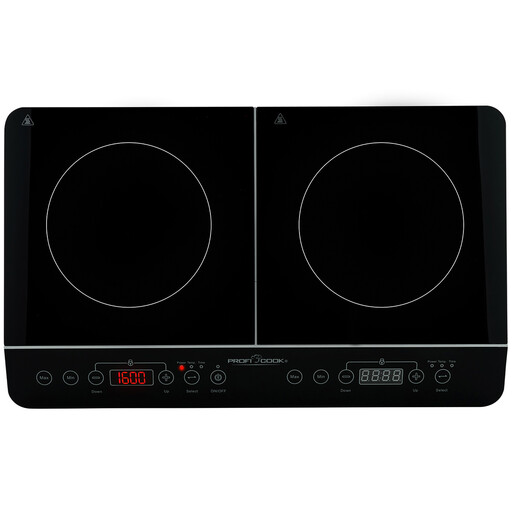 No image available
Two separate induction zones for soup and another dish. Both pans need to be induction-compatible.
The product name lists 10 settings, a timer and a temperature range up to 240 °C.
No. The function alone doesn’t confirm that the food is at a safe temperature. The BfR advises keeping heated food at a minimum of 60 °C throughout until it is eaten. Check the soup itself; if you’re not keeping it hot, suitable refrigeration is an alternative.
Only if the pan base is induction-compatible and its size matches the cooking zone’s specifications. For example, CASO lists a compatible pan diameter of 12–24 cm for the ProMenu 2100.
ROMMELSBACHER advises against using multi-way extension leads with its powerful double hobs. Check the instructions for your chosen appliance and the permitted load of your existing socket. This doesn’t amount to a general rule for connecting every hob.
No. The German Federal Institute for Occupational Safety and Health explains that CE marking is not the same as an independently awarded safety test mark. It also doesn’t confirm that a hob is suitable for keeping soup safely hot.