Batch cooks using one pan
If you brown onions in one batch or several batches in succession, a hob that lets you adjust the heat easily is key. The Kitchn describes caramelising onions on the hob as a slow process that needs attention.


For a single batch, a portable hob is usually a good place to start, as long as the pan base and size are suitable for the model. If you want to cook with two pans at once, consider a hob with two cooking zones. If you’re already planning a kitchen refit, a built-in hob may be an option. However, adjustable settings and a timer won’t replace keeping an eye on the onions and stirring them as they brown slowly.
If you brown onions in one batch or several batches in succession, a hob that lets you adjust the heat easily is key. The Kitchn describes caramelising onions on the hob as a slow process that needs attention.
If you want to keep using a wide frying pan or large saucepan, first check its base material and diameter against the model’s specifications. If a maximum weight is listed, check that too.
If you want to use two pans at once or cook another dish alongside the onions, you’ll need a second cooking zone. It isn’t necessary for batches cooked one after another.
A good fit if: you have an induction-compatible pan within the permitted size range and want an extra cooking zone for one batch.
Things to consider: You can only heat one pan at a time. Check the base, diameter and, where relevant, the maximum load.
A good fit if: your existing pan isn’t induction-compatible and you’d like a portable single hob with a smooth surface.
Things to consider: The cooking zone itself gets hot. Make sure its size suits the pan base and the space available.
A good fit if: you want to keep using a pan that isn’t induction-compatible and would like a single hotplate with continuously adjustable heat.
Things to consider: The plate stays warm after you turn the heat down. The setting doesn’t measure the temperature of the onions.
A good fit if: you need two suitable pans at once, for separate batches or another dish.
Things to consider: Allow for more worktop space and a suitable power supply. The total power rating doesn’t guarantee that each zone will deliver that power when both are in use.
A good fit if: you need several cooking zones permanently and are already planning a suitable kitchen installation.
Things to consider: The cut-out and electrical connection must suit the specific model. Installation takes more planning than simply setting up a portable hob.
| Priority | What to check when buying | Who it matters most to |
|---|---|---|
| Control over browning | Adjustable power settings and controls. A timer doesn’t replace keeping an eye on the onions and stirring them. | When I’m browning onions slowly, I want to be able to adjust the heat while keeping an eye on them. Around 36% of consumers prioritise control over browning. |
| Keep using your pan | Check the base material and diameter against the specifications. If the model lists a maximum load, include the weight of the filled pan. For example, CASO specifies a pan size of 12–24 cm and a maximum load of 6 kg for the Touch 2000. | If I want to keep using my wide frying pan, it needs to suit the heating method and the model’s limits. Around 29% of consumers prioritise compatibility with their existing pan. |
| Cooking in parallel | Consider whether you need to use two pans at once, then check the number and usable size of the cooking zones. SEVERIN specifies two cooking zones and a total output of 3.400 W for the DK 1031. | If I want to prepare separate batches or another dish at the same time, I really do need a second cooking zone. Around 21% of consumers prioritise being able to use two pans at once. |
| Space and connection | Compare the dimensions for a portable hob or the built-in cut-out, as well as the plug and connection type, with your kitchen. Bosch specifies four cooking zones for the PVS63KBB5E and says it must be connected by a qualified electrician. | If worktop space is limited or I’m planning a permanent installation, the hob needs to suit my kitchen. Around 14% of consumers first consider the space required or the installation. |
The rated power alone doesn’t tell you how evenly the onions will brown. Too much heat can burn them. Slow cooking and regular stirring are still important, as The Kitchn explains.
Check that the power settings suit the way you cook, and choose a pan and hob that work well together instead of comparing maximum power alone.
Induction requires a suitable pan base. The maximum pan size or load for a particular model may also rule out a large, full pan.
Check the base material and diameter against the hob’s specifications. If a maximum load is listed, check the weight of the filled pan too.
For the Bosch PVS63KBB5E, Bosch specifies a particular built-in cut-out and connection by a qualified electrician. This requires different planning from setting up an extra portable hob.
Before ordering, check the installation location, cut-out and connection type. Work on electrical installations is also subject to the requirements of § 13 NAV, which apply to registered electrical installation companies.
A built-in model may require extra work for a professional connection and any adjustments to the installation area.
A double hob needs more worktop space. If you’re cooking the onions in batches, a second zone won’t let you cook those batches at the same time.
First decide whether you really need to cook at the same time, then measure the space available for your chosen hob.
The models mentioned include a portable single induction hob, a double induction hob and a cast-iron hotplate.
The Touch 2000 is included here as an example of a portable single induction hob.
The CTS 2000/IN and CT 2203/TC illustrate two different types of portable hob.
The PVS63KBB5E is an example of a built-in induction hob.
The following Joybuy products include portable single hobs and hobs with several zones, to suit different kitchens and cooking needs.
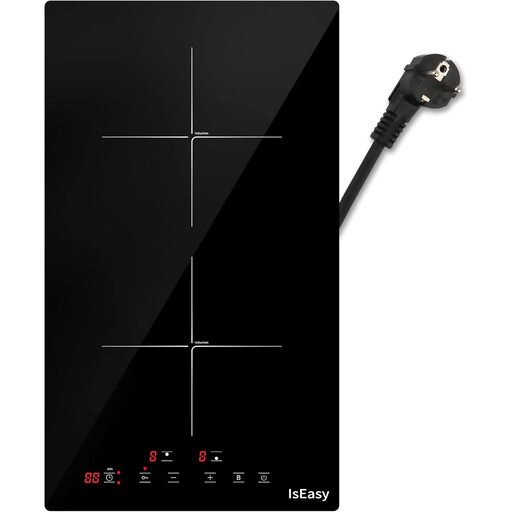 No image available
For cooking with two pans at once when you want to prepare several dishes in parallel.
Product specifications list two 1800 W zones, nine heat settings and a timer.
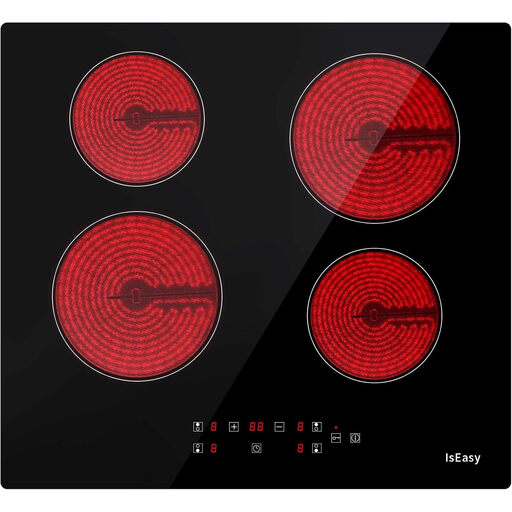 No image available
For cooking with several pans at once, provided the installation location and connection are right for your kitchen.
Product specifications list four zones, nine heat settings and a timer. The specified cut-out is 57 × 49,5 cm; the description says a fixed electrical connection is required.
 No image available
For cooking a single batch on an extra hob, if your cookware is induction-compatible.
Product specifications list nine heat settings, an 8-hour timer and magnetic cookware with a diameter of 12–26 cm.
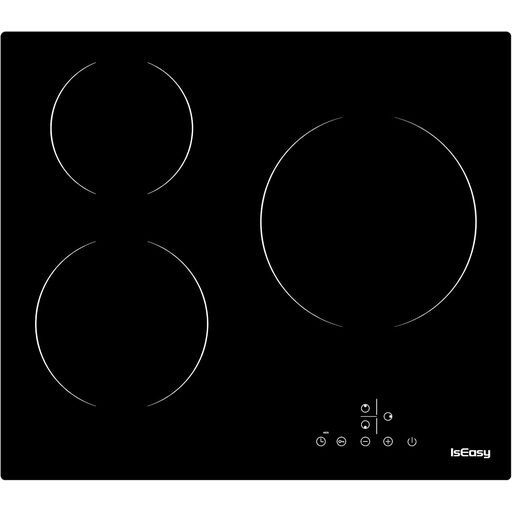 No image available
For preparing several dishes on one hob with three zones and nine heat settings.
Product specifications list a timer. The model is described as a hob for built-in or freestanding use.
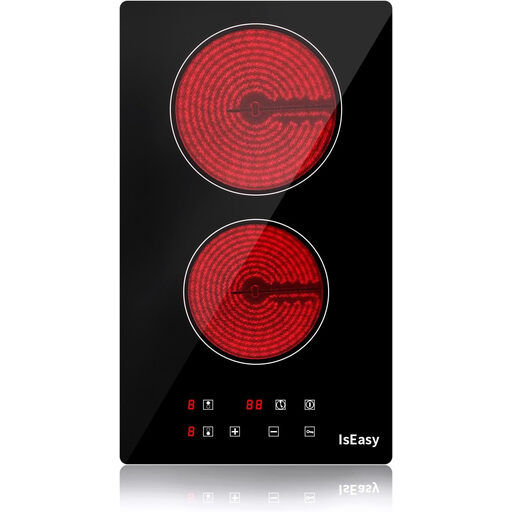 No image available
For cooking with two independently controlled zones when you want to prepare dishes in parallel.
Product specifications list nine heat settings and a timer from 1–99 minutes.
No. The rated power alone won’t tell you how the onions will brown in the pan. A suitable pan, controlled heat and regular stirring are important; too much heat can burn the onions.
No. A timer doesn’t replace keeping an eye on the onions and stirring them as they caramelise. It can remind you to do something or switch off an appliance after the set time.
Leave the onions to cool, then divide them into portions to suit how you’ll use them later. The Federal Centre for Nutrition recommends measuring food for the freezer according to the amount you’ll need later and freezing it in portions.
For the Bosch PVS63KBB5E, Bosch says it must be connected by a qualified electrician. Section 13 of the Low Voltage Connection Ordinance (NAV) sets out requirements for work on electrical installations and registered installation companies. This is not the same as plugging in a portable hob.
Check the pan base and its diameter against the specifications for the specific hob. For induction, the base must be suitable. If the model specifies a maximum load, you’ll also need to check the weight of the filled pan.