House shares with several dishes on the go
If you’re cooking vegetables and other dishes at the same time, you’ll need enough cooking zones, arranged to suit your pots and pans.


If you need to cook the vegetables, side dish and sauce at the same time, a built-in hob with multiple zones is the obvious choice – provided it fits your worktop, electrical connection and pans. If you need an extra cooking zone without making any alterations, a portable single hob may be a better option, although you won’t be able to cook several things at once on the same appliance. For induction, your pans must be specifically compatible.
If you’re cooking vegetables and other dishes at the same time, you’ll need enough cooking zones, arranged to suit your pots and pans.
If you’re cooking during a shared time slot, look for straightforward controls and the ability to adjust the heat to suit each stage of cooking.
If you only occasionally need an extra cooking zone, available worktop space, a socket and suitable cookware may matter more than replacing your existing hob.
| What you need | What to check | Who it matters to |
|---|---|---|
| Multiple cooking zones | Check the number, spacing and size of the zones against the pans you’ll be using at the same time. | If we’re cooking vegetables, a side dish and sauce at the same time, no pan should have to wait for lack of space. Around 29% of consumers prioritise having enough cooking zones for several dishes to be prepared at once. |
| Adjustable heat for frying | Compare the controls, heat settings and timer on the specific model. | If I want to adjust the heat while frying vegetables and time each step, easy-to-reach settings matter. Around 24% of consumers prioritise adjustable heat for frying. |
| An extra cooking zone without alterations | Consider the worktop space, socket, cable routing and the manufacturer’s instructions. | If I don’t want to replace my existing hob but need an extra cooking zone for a shared cooking session, a portable hob could be an option. Around 18% of consumers are primarily looking for an extra cooking zone without having to alter their kitchen. |
| Existing pans | For induction, check the manufacturer’s compatibility information and the required pan base diameter. | If I want to keep using the pans I regularly cook with, they need to be compatible with the chosen heating technology and cooking zone. Around 17% of consumers prioritise compatibility with their existing cookware. |
| Handing over between cooking sessions | Check the model’s residual heat indicator, control lock and cleaning instructions. | If several people take turns cooking, I want to know whether a zone is still hot and avoid settings being changed by mistake. Around 12% of consumers prioritise a safe, clear handover between users. |
Ceramic glass describes the surface; on its own, it doesn’t tell you whether the hob uses induction or electric radiant heating underneath. For induction, your pans must be specifically compatible.
Check the heating technology in the product description, then check the manufacturer’s information about your pans.
A built-in hob needs to fit the existing cut-out. Models without a mains plug require a fixed electrical connection.
Before ordering, compare the installation dimensions with your kitchen and check the connection requirements with a qualified professional. HEA recommends using a registered electrical contractor to connect an electric hob permanently.
Depending on the installation, you may also need work on the cut-out and a professional fixed connection.
A portable hob gives you just one zone on that appliance. For dishes that need to be cooked at the same time, you’ll need additional cooking zones or will have to cook in stages.
Before buying, make a note of which pans you’ll want on the hob at the same time during a typical shared cooking session.
A timer is no substitute for keeping an eye on your cooking or communicating with the next person. A zone may still be hot after it has switched off.
Agree a quick handover and check the residual heat indicator and the instructions for your specific hob.
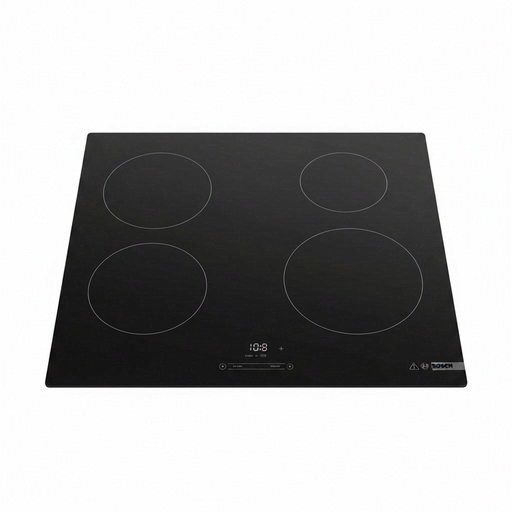
The PIE611BB5E built-in model is one to consider if you’re looking for several fixed cooking zones.
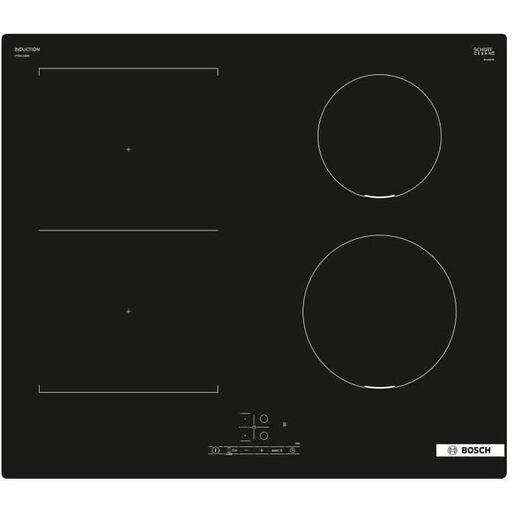
The EX975LXC1E is a larger built-in induction hob for kitchens where several pans, or pans of different shapes, are used.
The EK60IBI built-in model is worth considering if you want to combine cooking zones for larger cookware.
The portable Touch 2000 single hob is an option for an extra cooking zone if one zone is enough for the way you plan to cook.
This selection features built-in multi-zone induction hobs for preparing several dishes at once in a shared kitchen.
 No image available
Suited to cooking several dishes at once on a built-in hob.
Four cooking zones, 17 power levels and a timer with automatic switch-off.
Requires induction-compatible cookware; must be installed by a qualified professional.
 No image available
An option for shared cooking sessions when you need several cooking zones at once.
Four heating zones, 6.900 W and a timer with automatic switch-off.
The product description recommends professional installation and induction-compatible cookware.
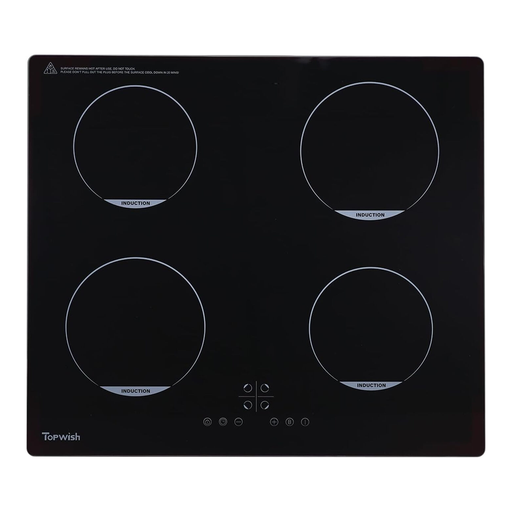 No image available
This hob is described as having four zones, making it suited to cooking several things at once.
Nine power levels and a timer of up to 99 minutes.
No mains plug; the product description states that a fixed electrical connection is required. Induction-compatible cookware is needed.
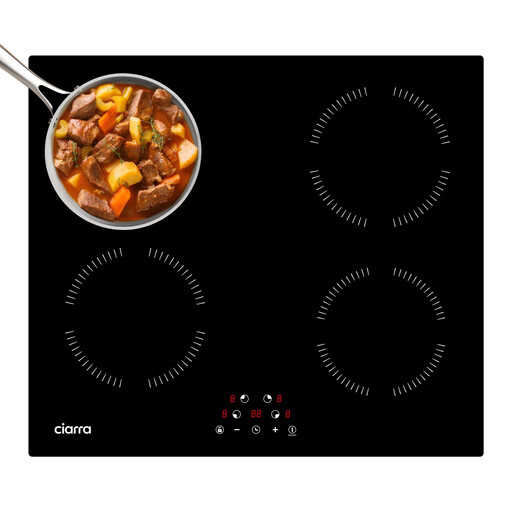 No image available
Its four independently controlled heating zones are designed for cooking several things at the same time.
Nine power levels and individual timers for each zone.
The product description requires magnetic cookware with bases suited to the zone diameters, as well as professional installation.
 No image available
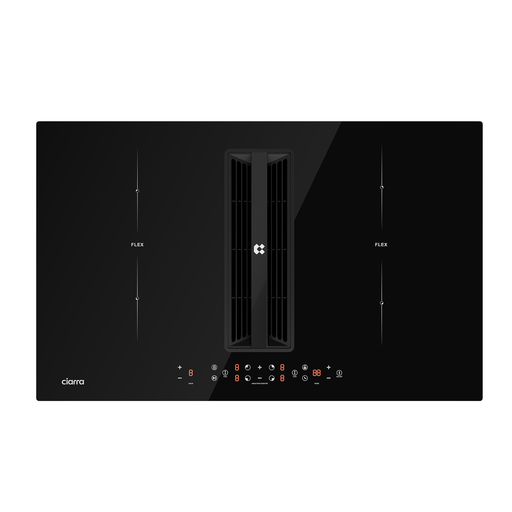
An option for cooking several things at once and using pans of different sizes, provided the kitchen cut-out suits the hob.
Four cooking zones and a Flex Zone; the product description specifies a cut-out of 830 × 490 mm.
The CBEHKIT installation kit is sold separately, according to the product description. Installation should be carried out by a qualified professional.
Yes. HEA recommends using a registered electrical contractor to connect an electric hob permanently. Section 13 of the Low Voltage Connection Ordinance covers electrical installation work carried out by the network operator or an installation company listed in an installers’ register. A portable appliance with a plug has a different type of connection.
Only if the manufacturer states that the pan is induction-compatible. Also check the base diameter against the cooking zone. For the CASO Touch 2000, CASO Design recommends cookware with a diameter of 12–24 cm.
Check the residual heat indicator and the explanation in the instructions for the specific model. HEA states that, depending on the hob, the indicator may apply to individual zones or the entire hob.
The EU energy label for ovens doesn’t cover hobs. The consumer advice centre notes that there is no equivalent EU energy label for hobs; running costs depend, among other things, on how you cook and use the hob.
Your statutory rights are against the seller, while a manufacturer’s guarantee is a separate, voluntary service. If a product is faulty, the first step may be to have it repaired or replaced. The consumer advice centre explains that statutory rights and a guarantee are not the same thing.