Compote pot users
You want to keep using the pot you already own. Before choosing an induction hob, check that the pot’s base and size are compatible with the appliance.


Choose your hotplate based first on the base of your compote pot and the space available. Induction requires compatible cookware; radiant ceramic-glass or cast-iron hotplates can also be used with other pots, but their surfaces get hot or retain more heat after switching off. When making apple compote, it’s important to turn down the heat and stir occasionally – a timer is no substitute.
You want to keep using the pot you already own. Before choosing an induction hob, check that the pot’s base and size are compatible with the appliance.
You want to turn down the heat once the compote has come to the boil and keep an eye on the pot while stirring occasionally.
You need a hotplate that fits the available space, can be used with the intended socket and is easy to clean after use.
A good choice when: Your pot is induction-compatible and its base is within the appliance’s stated size range.
Consider: You’ll need compatible cookware, and the fan may be audible.
A good choice when: You want to use a non-induction-compatible pot on a smooth cooking surface.
Consider: The heating surface stays hot after switching off. A residual heat indicator is useful in a shared kitchen.
A good choice when: You want to keep using your existing pot and prefer straightforward controls.
Consider: According to the manufacturer, cast-iron hotplates take longer to heat up, retain heat for longer and are more difficult to clean than smooth glass surfaces.
When making apple compote in a German shared kitchen, the main considerations are pot compatibility, adjustable heat, a suitable place to set up the appliance and ease of cleaning.
| What matters | What to check before buying | Who should pay particular attention? |
|---|---|---|
| Heat control while simmering | Check that you can easily turn down the power on the appliance; settings and timers don’t measure the temperature of the compote. | If you want to continue simmering gently after bringing it to the boil and stir occasionally, adjustable heat is essential. Around 29% of consumers would focus above all on heat control while simmering. |
| Using your existing pot | Check the pot material and base diameter, then compare them with the specifications for the particular model. | If you don’t want to buy another pot, check compatibility first. Around 29% of consumers would base their choice primarily on the pot they already own. |
| Available space and socket | Compare the appliance’s dimensions with the available space, and check the instructions and load capacity of the intended socket. | If you share the worktop and socket with others, you’ll need a suitable place to set up the appliance and should consider what other appliances are being used. Around 24% of consumers would give this priority. |
| Cleaning and ongoing costs | Check the instructions for how to clean the cooking surface and make sure your cookware is compatible with the heating method you choose. | If you want to clean the surface promptly after cooking and avoid buying an additional pot, the surface and pot compatibility matter. Around 18% of consumers would consider cleaning and potential ongoing costs first. |
An induction hob will only work with your existing pot if it’s suitable for induction and the pot is the right size for the appliance.
First, check the base and diameter against the manufacturer’s specifications. If the pot isn’t compatible, compare cast-iron or radiant ceramic-glass hotplates.
If your existing pot isn’t induction-compatible, you may need to buy an additional suitable pot.
A set time or power level won’t tell you whether the apple pieces are sticking to the bottom of the pot.
Turn down the heat once the compote has come to the boil, and stir it occasionally as directed by the recipe.
With radiant ceramic glass, the heating surface stays hot; according to the manufacturer, cast-iron hotplates retain heat for longer.
Let the appliance cool according to its instructions, and let others using the kitchen know that the surface is hot.
Portable single induction hobs; the Touch 2000 is a useful point of comparison for pot size, controls and space requirements.
Single hotplates with different heating methods; the CT 2200/E shows how radiant ceramic glass can be an alternative to induction.
Single cast-iron and induction hobs; the EKP 3582 is a useful point of comparison for a cast-iron hotplate.
Portable induction hobs; the KP 1071 offers another point of comparison for controls and appliance features.
The SIKP 2200 B1 is a useful point of comparison for portable induction hobs.
The selection includes portable single induction hobs and a radiant ceramic-glass hotplate.
 No image available
An option if your pot is induction-compatible and falls within the stated size range.
Nine heat settings and an 8-hour timer are listed; the description specifies magnetic cookware with a diameter of 12–26 cm.
 No image available
Could suit different stages of cooking, provided your pot is induction-compatible.
Specifications include five heat settings, a rotary control and dimensions of 21,5 × 21,5 × 4,7 cm. The product description says that odour and light smoke may occur during first use, and recommends using the appliance in a well-ventilated area.
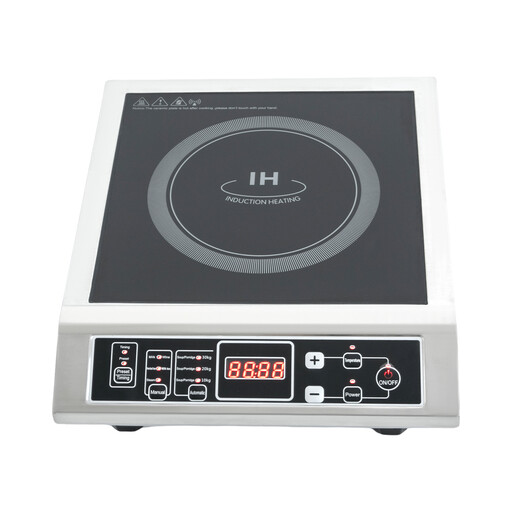 No image available
An option for bringing the compote to the boil and then simmering it, as long as your cookware is induction-compatible.
The product description lists ten power settings, as well as timer and reservation functions. Before buying, check that the appliance is compatible with the intended socket and kitchen rules.
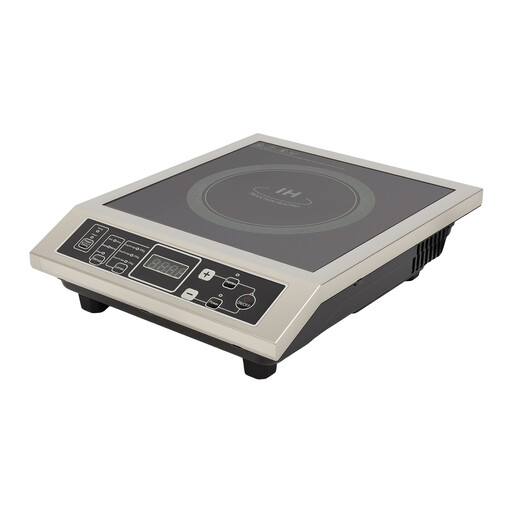 No image available
Worth considering if you’re looking for a portable induction hob and your pot is compatible.
Features include ten power settings, timer and reservation functions, and an EU plug. Check the socket requirements and the instructions for the particular appliance before using it in a shared kitchen.
 No image available
Could be an alternative if your existing pot isn’t induction-compatible; according to the product description, the hotplate is designed for heat-resistant cookware.
The ceramic-glass surface offers manual power adjustment and a timer. Suitable cookware includes pots made from glass, ceramic and stainless steel.
Yes, if you choose an induction hob. Also check the size range for the specific model: the manufacturer lists 12–24 cm for the CASO Touch 2000. This induction requirement doesn’t apply to cast-iron or radiant ceramic-glass hotplates.
No. A published recipe calls for occasional stirring to prevent the compote from burning. The CASO Touch 2000 timer lets you set a time, but it doesn’t monitor the compote.
There’s no one-size-fits-all answer. ROMMELSBACHER advises against using extension leads with its high-powered double hotplates. Check the instructions for your single hotplate and the load capacity of the intended socket; if in doubt, ask a qualified professional to check the installation.
No. The European Union explains that the manufacturer is responsible for meeting the relevant requirements and applying the marking; there is no central EU body that issues a general CE certificate. For the specific product, check the appliance identity, marking and safety instructions.
Cooking on a hotplate doesn’t make the compote safe to store long-term. The German Federal Institute for Risk Assessment recommends keeping perishable foods sufficiently chilled; ordinary cooking isn’t a validated method for preserving food in jars.