
Lieferung heute & morgen

Qualitätsgarantie

Willkommens-Angebote freischalten: KOSTENLOSE Lieferung | Bis zu 80 % RABATT | Kostenlose 30-Tage-JoyPlus-Testphase
App herunterladen
An electric kettle is a staple in any modern kitchen. However, buying one is often more complicated than it seems. Manufacturers advertise numerous functions and design features that don't always offer practical value. As a Joybuy Product Recommendation Officer, I analyse the market to provide you with objective, real-world advice. This guide will help you see through marketing hype and find an appliance that truly fits your needs.
Many purchases lead to disappointment because certain aspects are overlooked. Pay special attention to these three points to avoid buyer's remorse:
Focus your decision on the following three fundamental criteria. They are the primary determinants of longevity, safety, and user convenience.
The choice of material has a direct impact on water quality, taste, and the durability of the appliance.
Consider what you will primarily use the kettle for.
The power, measured in watts, determines how quickly the water boils. Values between 2000 and 2400 watts are common and ensure rapid heating. Indispensable safety features include boil-dry and overheat protection, as well as an automatic shut-off that turns the device off after boiling or when lifted from its base.
Here are some recommendations tailored to specific user profiles.
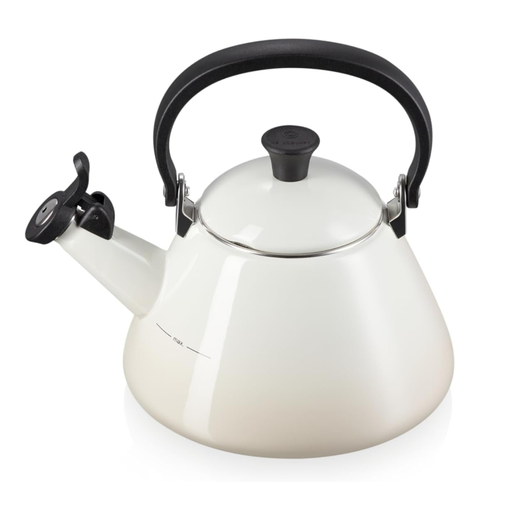
Why it's a great fit: This model is a classic whistling kettle that focuses on durability and style. It's ideal for anyone looking for a timeless design piece that works on all hobs, including induction, and is free from failure-prone electronics.
It bypasses the material pitfall with high-quality, enamelled steel and avoids feature overload by deliberately omitting electronics. A product designed for decades of use.
Extreme durability and compatibility with all hob types, including induction. The whistle is a reliable and charming indicator.
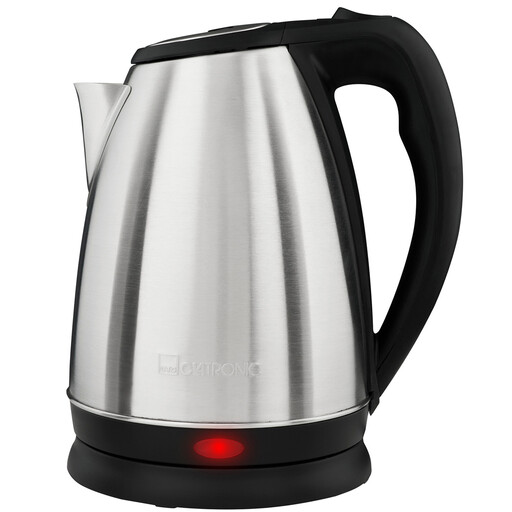
Why it's a great fit: A functional all-rounder for daily use. With a 1.7-litre capacity, a robust stainless steel body, and 2200 watts of power, it reliably meets all the basic needs of a family at an attractive price.
This model relies on a proven stainless steel kettle instead of questionable plastic. The concealed heating element simplifies cleaning and prevents the limescale trap.
Solid value for money, large 1.7-litre capacity, and all necessary safety features like boil-dry protection.
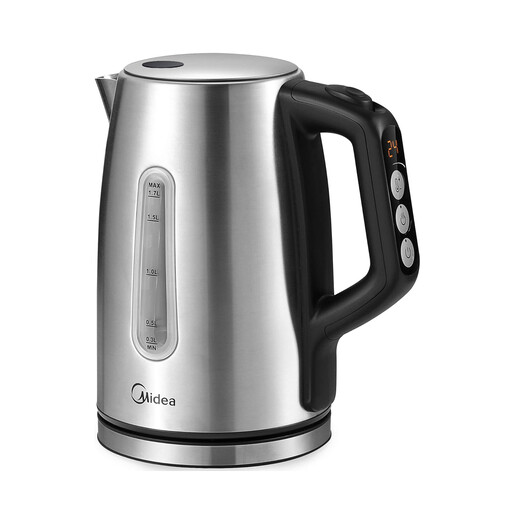
Why it's a great fit: For anyone who values the perfect brewing temperature. With six selectable settings from 40°C to 100°C, this tea kettle is ideal for extracting the full aroma from different tea varieties and coffee specialities.
This appliance avoids the "feature overload" trap by offering a function that makes a real, tasteable difference. The temperature control here is not a gimmick, but a precision tool.
Six precise temperature settings and a 60-minute keep-warm function. The double-walled construction ensures safety and efficiency.
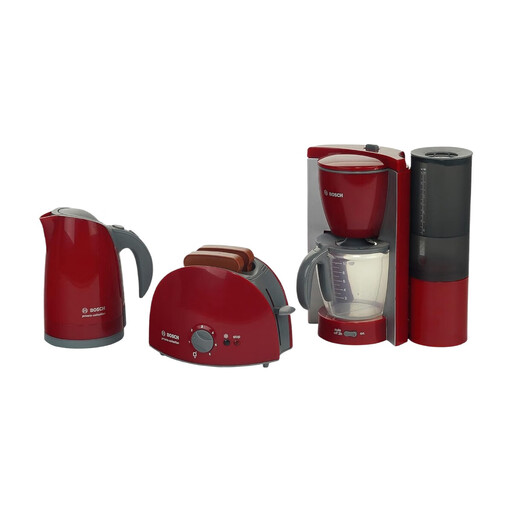
Why it's a great fit: For parents who want to provide their children with a safe and imaginative play environment. This set includes a toy kettle in an authentic Bosch design, specially developed for children aged 3 and up.
This product avoids the biggest danger of all: putting a real, hot electrical appliance in a child's hands. It offers a safe alternative for creative role-playing in the play kitchen.
Promotes motor skills and imagination through safe play. The coffee machine even has a realistic water-flow function.
We have compiled a complete, up-to-date list of products that fully meet these strict selection criteria and all relevant safety regulations.
The frequency of descaling depends on the water hardness in your area. With hard water, descaling every one to two months is recommended; with softer water, every three to four months. You can use commercial descalers based on citric or lactic acid. A proven home remedy is a mixture of water and vinegar essence (in a 1:1 ratio) or citric acid, which you boil in the kettle and then let sit. Rinse the appliance thoroughly afterwards.
Each material has its pros and cons. Stainless steel kettles are very robust, durable, and taste-neutral. Glass kettles are also taste-neutral and visually appealing, but more fragile. Plastic kettles are lightweight and often more affordable. However, it is particularly important to look for the "BPA-free" label and high-quality construction to minimise any potential impact on taste.
Electricity consumption depends on the power (wattage) and duration of use. A typical 2200-watt kettle takes about three minutes to boil one litre of water. This corresponds to a consumption of approximately 0.11 kilowatt-hours (kWh). To save energy, you should always heat only the amount of water you actually need. Modern appliances with good insulation and fast boiling times are generally more efficient.