
Lieferung heute & morgen

Qualitätsgarantie

Willkommens-Angebote freischalten: KOSTENLOSE Lieferung | Bis zu 80 % RABATT | Kostenlose 30-Tage-JoyPlus-Testphase
App herunterladen
A new electric kettle might seem like a simple purchase. But often, its weaknesses only become apparent after a few weeks: a persistent plastic taste in the water, inaccurate temperature settings, or a device that unexpectedly stops working. Many models advertise features that fail to deliver in practice or hide design flaws behind a stylish exterior.
Before you make a decision, it helps to know the most common pitfalls that lead to dissatisfaction.
To avoid buyer's remorse, you should focus on a few fundamental yet crucial technical parameters. These determine the safety, functionality, and longevity of your new appliance.
The material that comes into direct contact with your water is the most important factor for taste and hygiene.
The capacity and power determine how practical the kettle is for daily use.
For many users, an electric kettle is more than just a device for boiling water.
Instead of presenting an overwhelming list, we have matched models based on typical user profiles.
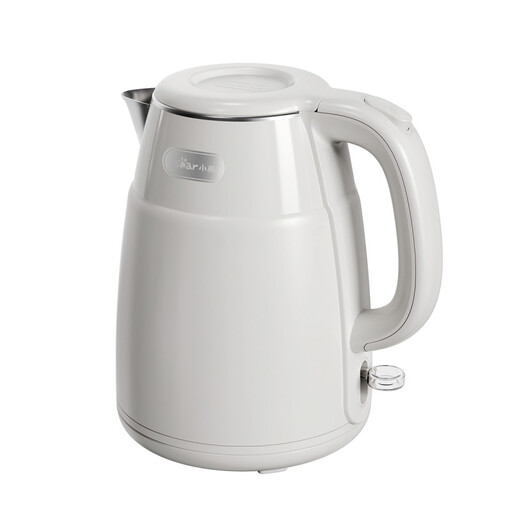
Why This Fits Their Persona: This model focuses on core functions without unnecessary extras. It's a solid choice for daily use in households looking for a reliable and safe appliance for quickly heating water.
According to the manufacturer, the interior is made of 304 stainless steel, which minimises the water's contact with plastic. The auto shut-off and boil-dry protection address fundamental safety requirements.
Simple one-touch operation and a heat-insulated outer casing made of PP material, which reduces the risk of burns.
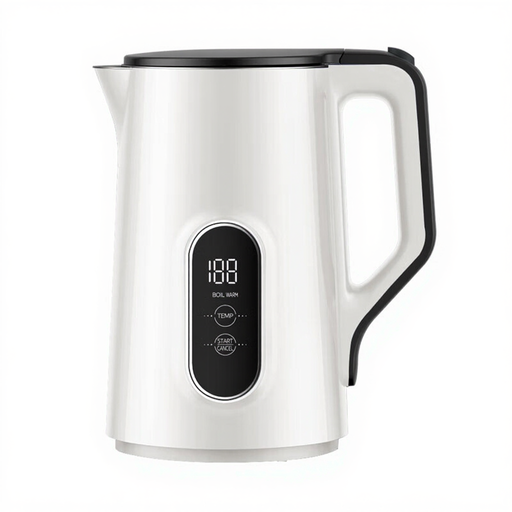
Why This Fits Their Persona: Ideal for users who need more than just boiling water. The precise temperature control allows for the optimal preparation of various teas, specialty coffees, or baby formula.
This model offers precise, adjustable temperature control from 45°C to 100°C, bypassing the problem of standard kettles that overheat water for delicate beverages. The double-wall construction ensures safe handling.
Seven preset temperature levels, a one-hour keep-warm function, and a digital display that shows the water temperature in real-time.
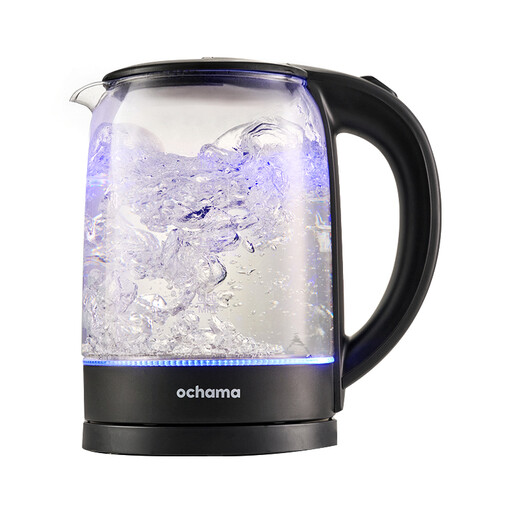
Why This Fits Their Persona: For anyone who values aesthetics and is looking for a kitchen appliance that is both functional and a visual highlight. The transparent glass body with blue LED lighting fits seamlessly into modern kitchens.
The borosilicate glass body is not only visually appealing but also taste-neutral and hygienic. It bypasses the issue of hidden plastic parts that could affect the water's taste.
The combination of a 1.7-litre capacity, 2200 watts of power for rapid boiling, and the elegant blue LED illumination during operation.
We have compiled a complete, up-to-date list of products that fully meet these strict selection criteria and safety regulations.
The frequency of descaling depends on the water hardness in your area. With hard water, it is recommended to descale the kettle every one to two months. With soft water, cleaning every three to four months is sufficient. Regular descaling not only ensures hygienically clean water but also maintains the efficiency of the heating element and extends the life of the appliance.
Power consumption depends on the wattage and the boiling time. A 2200-watt kettle that boils 1.5 litres of water in about 4 minutes consumes approximately 0.15 kilowatt-hours (kWh) per use. Although higher-wattage models draw more power, they run for a shorter time, which often makes their total consumption comparable to or even lower than that of less powerful models. To save energy, always boil only the amount of water you actually need.
A standard electric kettle heats water to the boiling point (approx. 100°C). An electric tea maker is often a combination device that has additional features. These typically include precise temperature control, a keep-warm function, and an integrated tea infuser that can be placed directly into the kettle. This makes it specifically suited for brewing tea directly in the appliance.