The electric kettle is an essential kitchen appliance, with its primary function being to heat water rapidly. However, selecting the right model depends on specific requirements that go beyond simple boiling. Factors such as material, capacity, energy efficiency, and additional features determine its practical value in daily life. This guide analyses the technical criteria relevant for an informed purchasing decision and presents a selection of devices for different user profiles.
Buyer's Guide: Key Selection Criteria
The choice of an electric kettle should be based on an analysis of objective specifications. The following criteria are central to evaluating a device's functionality and longevity.
Material Analysis: Stainless Steel, Glass, and Plastic
The material of the water container directly impacts taste neutrality, durability, and ease of cleaning.
- Stainless Steel Kettles: Models made from stainless steel, particularly alloys like Type 304 (also known as 1.4301 or V2A steel in Germany), are robust, durable, and corrosion-resistant. They do not impart any taste to the water and are relatively easy to clean. Double-walled constructions also offer improved thermal insulation, keeping the exterior cooler to the touch and the water warm for longer.
- Glass Kettles: Devices made from borosilicate glass allow for a direct view of the water level and the boiling process. This material is also taste-neutral and does not absorb odours. However, glass is more fragile than stainless steel and shows limescale deposits more clearly, requiring more frequent cleaning.
- Plastic: Plastic kettles are often lighter and more affordable. It is crucial to look for the BPA-free label to ensure that no potentially harmful plasticisers leach into the water. High-quality plastics are certified for food contact according to EU standards.
Capacity and Power
The capacity, measured in litres (L), should suit your household's needs. For individuals or as a compact kettle for the office, models up to 1.0 litre are sufficient. Family households will benefit from devices with 1.5 to 1.7 litres.
The power, specified in watts (W), determines the boiling speed. Kettles with 2,200 W or more heat water faster than lower-wattage models. A travel kettle typically has lower power (e.g., 300–1000 W) to avoid overloading portable power sources.
Special Features: Temperature Control and More
For specific applications, additional features are crucial:
- Kettles with Temperature Control: This feature is essential for preparing different types of tea. Green tea, for instance, develops its ideal aroma at around 80°C, while black tea requires boiling water. Precisely adjustable temperatures transform the device into a fully-fledged tea maker.
- Keep-Warm Function: Maintains the water at the selected temperature for a defined period after heating.
- Automatic Shut-Off: A standard safety feature that automatically turns off the device when the boiling point is reached, when the container is empty (boil-dry protection), or when it is lifted from the base.
- Limescale Filter: A removable filter in the spout that traps limescale particles, ensuring clearer water.
Our 2026 Recommendations
Based on the technical criteria mentioned, we present three models that cover different usage scenarios.
For On-the-Go: Bear 300 ml Electric Kettle
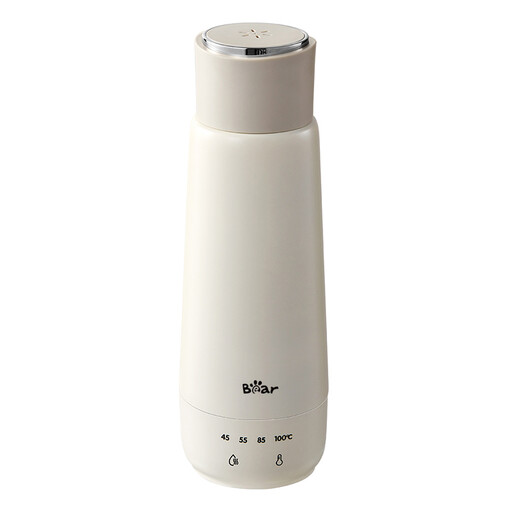
- Analysis: This model combines the functions of a kettle, a thermos, and a drinking cup into one compact device. With a net weight of just 520 g and a small footprint, it is designed for portable use. The four-step temperature control (45°C, 65°C, 85°C, 100°C) offers flexibility for various hot beverages.
- Technical Specifications:
- Capacity: 0.3 litres
- Power: 300 W
- Material: Double-walled 304 stainless steel interior
- Special Features: Leak-proof design, short heating time (6–8 minutes), includes carrying pouch
- Ideal for: Travellers, office workers, and students who need a personal and portable solution for heating water.
The Kitchen Classic: BRAUN PurShine WK1500BK
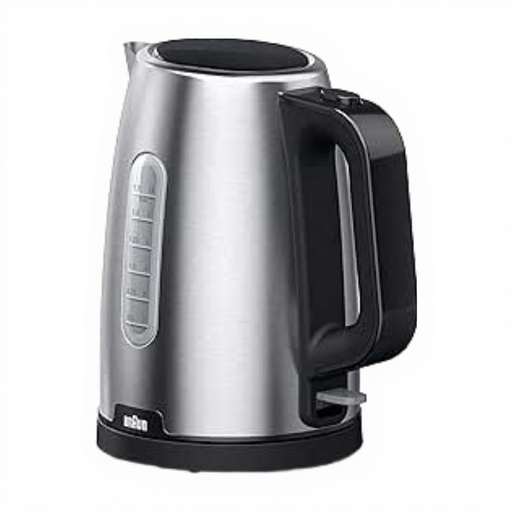
- Analysis: The BRAUN PurShine WK1500BK is an electric kettle designed for efficiency and safety in daily use. Its rapid-boil system, which the manufacturer claims can boil 200 ml of water in 45 seconds, is a clear mark of efficiency. The 4-way safety system ensures secure operation.
- Technical Specifications:
- Capacity: 1.7 litres
- Power: 2,200 W
- Material: Stainless steel
- Special Features: Rapid-boil system, dual-sided water level indicator, removable and washable limescale filter, one-handed lid opening
- Ideal for: Households and families seeking a reliable, fast, and safe appliance with a large capacity for daily use.
The Specialist for Tea and More: BEAR Healthy Kettle 1.8L
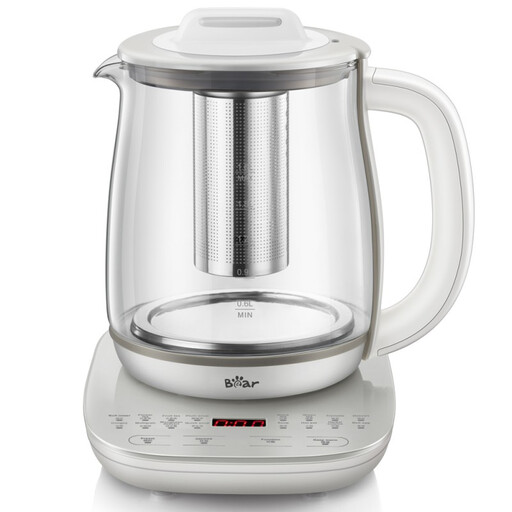
- Analysis: This appliance goes beyond the function of a simple kettle, acting as a multifunctional cooking pot. With 16 preset programs for teas, soups, desserts, and more, it caters to users with specialised needs. The borosilicate glass body and 304 stainless steel tea infuser underscore its focus on health-conscious preparation.
- Technical Specifications:
- Capacity: 1.8 litres
- Power: 1,000–1,200 W
- Material: Borosilicate glass, 304 stainless steel
- Special Features: 16 smart programs, 9.5-hour timer function, integrated tea infuser, simple operation via a rotary knob
- Ideal for: Tea lovers, health-conscious individuals, and users looking for a versatile appliance to prepare a wide range of food and beverages.
Discover More Models
The products featured cover specific use cases. If you are looking for other options, designs, or alternative feature sets, you can find a wide selection in our Electric Kettles for the Kitchen category.
Frequently Asked Questions (FAQ)
1. How often should you descale an electric kettle?
The frequency of descaling depends on the water hardness in your region and how often you use it. With hard water, monthly cleaning is recommended; with soft water, cleaning every quarter is sufficient. Limescale deposits can reduce heating efficiency and increase energy consumption. Commercial descalers or household remedies like vinegar essence or citric acid are suitable for cleaning.
2. Which material is best for an electric kettle?
There is no one-size-fits-all answer, as the choice depends on personal preferences. Stainless steel offers high robustness and longevity. Glass is aesthetically pleasing and taste-neutral but more fragile. BPA-free plastic is lightweight and often more cost-effective. For maximum taste neutrality and durability, models made of stainless steel or glass are often the preferred choice.
3. What does "kettle with temperature control" mean?
A kettle with this feature allows the user to select a target temperature below the boiling point (100°C). The device heats the water to the set temperature (e.g., 70°C, 80°C, or 90°C) and then switches off. This is particularly relevant for preparing delicate tea varieties, such as green or white tea, whose aromas can be destroyed by water that is too hot.
Authored by: Joybuy Product Recommendation Officer

