
Lieferung heute & morgen

Qualitätsgarantie

Willkommens-Angebote freischalten: KOSTENLOSE Lieferung | Bis zu 80 % RABATT | Kostenlose 30-Tage-JoyPlus-Testphase
App herunterladen
Choosing the right appliance to heat water seems simple at first glance. However, behind the shiny exteriors and long feature lists often lie pitfalls that can complicate daily use or shorten the appliance's lifespan. Whether for a quick morning tea, preparing coffee, or making instant meals, the demands are diverse. This guide will help you identify the crucial features and make an informed decision based on facts, not marketing promises.
Many buyers focus on design or price, overlooking critical quality features. Two common problems often lead to dissatisfaction:
To avoid a poor purchase, you should focus on three core aspects that determine an appliance's quality, safety, and functionality.
The material of the kettle's body has a direct impact on water quality and the appliance's longevity.
The power, measured in watts (W), determines how quickly the water boils. Appliances with 2000 to 2400 watts typically heat one litre of water in under three minutes. A small kettle with a 1-litre capacity is often sufficient and more energy-efficient for single-person households or the office. Families or shared living spaces will benefit from models with a 1.7-litre capacity.
For coffee lovers, a traditional espresso maker, also known as a moka pot, is an interesting alternative. These devices, like the classic Bialetti Moka Express, are used directly on the hob. This type of stovetop coffee maker uses steam pressure to produce a strong, aromatic coffee. This Italian coffee pot is a purely mechanical, durable solution without electronics and, therefore, without their potential points of failure.
Instead of making a one-size-fits-all recommendation, we have identified products that meet specific user needs.
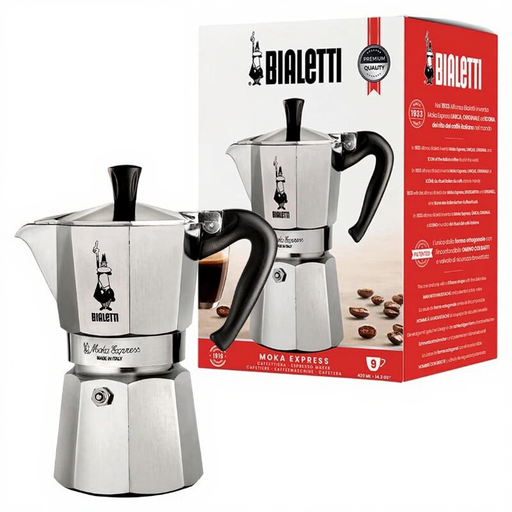
Why it's a great fit: Ideal for lovers of authentic Italian coffee who prefer a time-tested, manual brewing method without any electronics.
This appliance completely bypasses the issue of short-lived electronics and plastic components. It's made of durable aluminium and is designed for decades of use.
Produces a rich, aromatic coffee. The aluminium construction ensures even heat distribution. Suitable for gas, electric, and ceramic hobs.
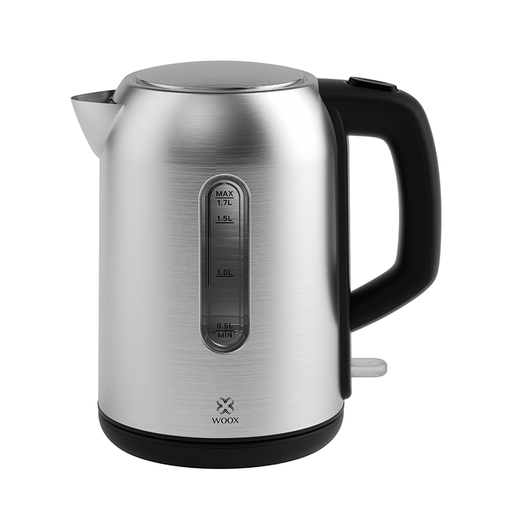
Why it's a great fit: With a 1.7-litre capacity and 2200 watts of power, this kettle is ideal for families or offices where large quantities of hot water are needed quickly.
The appliance is made of high-quality, BPA-free stainless steel. This addresses the concern of flavour-altering plastics on the interior and ensures a pure water taste.
Combines rapid boiling with essential safety features like auto shut-off and boil-dry protection. The 360° base station allows for convenient handling.
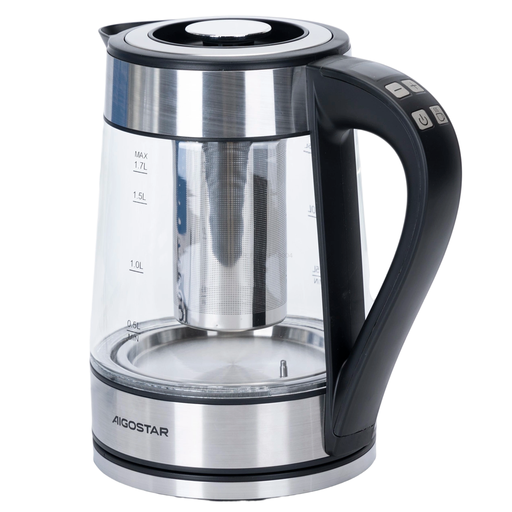
Why it's a great fit: A specialised **tea maker** for users who want to prepare different types of tea (green, black, herbal) at their optimal temperatures.
While this model offers advanced functions, they are targeted at a specific use case. It avoids the trap of paying for unnecessary extras, as temperature control is the core benefit here.
Features 13-level temperature control and a digital display for the current water temperature. The glass body allows for easy cleanliness checks, and the removable tea infuser adds functionality.
We have compiled a complete, up-to-date list of products that fully meet these strict selection criteria and UK safety regulations.
1. How often should you descale a kettle, and what should you use? The frequency depends on the water hardness in your area. Descaling is advisable when you see visible limescale deposits or notice a slowdown in boiling time, typically every one to three months. Use commercial descalers based on citric or acetic acid, or a mixture of water and white vinegar (1:1 ratio). After descaling, boil the kettle several times with clean water to remove any residue.
2. What does "BPA-free" mean for a kettle and why is it important? BPA (Bisphenol A) is a chemical compound found in some plastics (polycarbonate). It can leach from the material into the water when heated. The "BPA-free" label guarantees that all plastic parts that come into contact with water are made from materials that do not contain this substance. This is an important feature for health-conscious consumers.
3. Is a kettle with temperature control really worth it? For most users who just want to bring water to a boil, this feature is not necessary. However, it is very useful for tea or specialty coffee enthusiasts. For example, green tea develops its best flavour at around 80°C, while boiling water (100°C) is recommended for black tea. A kettle with temperature control allows for precise preparation and prevents delicate teas from being "burnt" by water that is too hot, which can make them taste bitter.