
Lieferung heute & morgen

Qualitätsgarantie

Willkommens-Angebote freischalten: KOSTENLOSE Lieferung | Bis zu 80 % RABATT | Kostenlose 30-Tage-JoyPlus-Testphase
App herunterladen
An electric kettle is a staple in almost every kitchen in the UK. However, choosing the right appliance is fraught with potential pitfalls. Many models are offered with superfluous features or are made from less durable materials, leading to a decline in performance or raising safety concerns after only a short time. This guide will help you identify the essential features and make an informed decision based on objective criteria.
Before we dive into the key parameters, you should be aware of the typical marketing promises that often lead to an unsatisfying purchase.
To find the right electric kettle for your needs, focus on three fundamental aspects: material, capacity, and functional features.
The choice of material has a direct impact on the durability, safety, and taste of the water.
The capacity should match your household's needs.
The power, measured in watts, determines the boiling speed. Models with 1800 to 2200 watts can bring 1 litre of water to a boil in about 3 to 4 minutes.
For certain applications, special functions offer a significant advantage.
Here are three models tailored to different user profiles that avoid the common pitfalls mentioned.
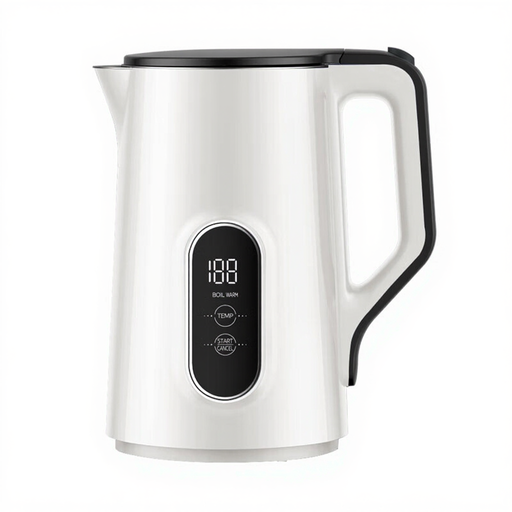
Why this model is a great fit: Ideal for users who value the perfect taste of their hot beverage. The precise temperature selection from 45°C to 100°C allows for the optimal preparation of various tea types, coffee specialities, or baby formula.
It bypasses the "overloaded features" trap by offering seven clearly defined and useful temperature levels instead of a confusing menu. The 304 stainless steel interior avoids the material compromise of plastic.
Precise temperature control and a 1-hour keep-warm function ensure convenience and optimal results with every brew.
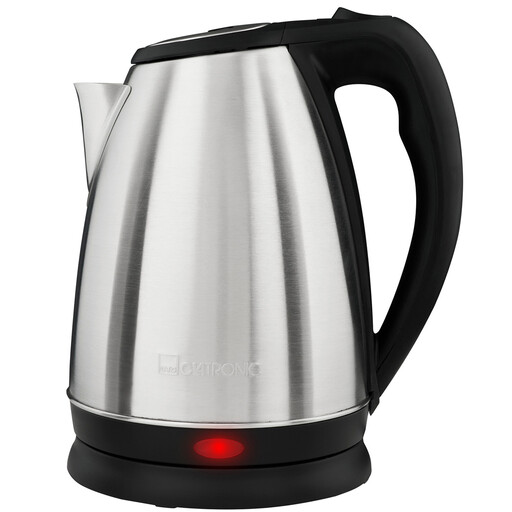
Why this model is a great fit: This model is designed for the core needs of a family household: a large 1.7-litre capacity, a robust stainless steel body, and essential safety features like overheat protection.
It focuses on the essentials, avoiding complex electronics that can be a potential point of failure. The durable stainless steel body is a reliable choice that avoids the material compromise.
A large 1.7-litre capacity and simple, cordless handling make it a straightforward and dependable helper in daily life.
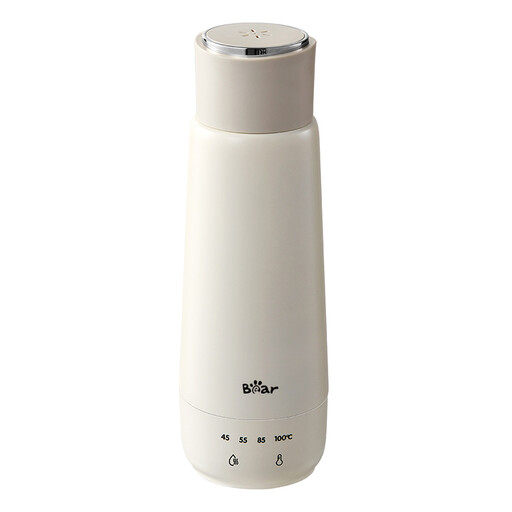
Why this model is a great fit: This compact travel kettle is designed for mobile use. With a 300 ml capacity and a lightweight, leak-proof design, it fits easily into luggage or an office bag.
It avoids the inefficiency trap of small appliances by combining a kettle and an insulated mug in one device. The double-walled stainless steel interior keeps water hot for a long time, making a separate mug unnecessary.
The 3-in-1 design (boil, keep warm, drink) and four selectable temperature levels offer maximum functionality in a minimal footprint.
We have compiled a complete, up-to-date list of products that fully meet these strict selection criteria and rigorous safety standards.
The frequency depends on the water hardness in your area. For hard water, it is recommended to descale the kettle every four to eight weeks. For soft water, descaling every few months is sufficient. Regular descaling not only ensures hygienic cleanliness but also maintains the energy efficiency of the appliance, as limescale on the heating element acts as an insulating layer and prolongs boiling time.
Not necessarily. A kettle with temperature control can actually save energy. If you only heat water to 80°C for green tea instead of 100°C, the appliance requires less energy. The standby power consumption of the electronics in modern devices is typically very low and has a negligible impact.
"BPA-free" means that the plastic parts of the kettle that come into contact with water are manufactured without the chemical Bisphenol A. BPA is suspected of being harmful to health. While this is an important safety feature for plastic kettles, materials like glass and stainless steel are naturally BPA-free as they do not contain this chemical.