
Lieferung heute & morgen

Qualitätsgarantie

Willkommens-Angebote freischalten: KOSTENLOSE Lieferung | Bis zu 80 % RABATT | Kostenlose 30-Tage-JoyPlus-Testphase
App herunterladen
An electric kettle is a staple in every kitchen. Yet, buying one is often more complicated than it seems. An unpleasant plastic taste in your tea, stubborn limescale deposits in hard-to-reach places, or an appliance that stops working after just a few months—these problems are all too common. Instead of being swayed by marketing promises, it's wiser to focus on objective criteria that determine a kettle's longevity and functionality.
This guide will help you navigate the typical pitfalls and find a model that truly fits your needs.
Many frustrations can be avoided by knowing the weak points of cheap or poorly designed models. Pay special attention to these three points:
To make the right choice during a personal kettle test, you should focus on a few, but crucial, technical features.
The material of the kettle directly impacts taste, durability, and maintenance.
The right size and features depend on your household and your habits.
Instead of making a one-size-fits-all recommendation, we have selected models tailored to specific use cases.
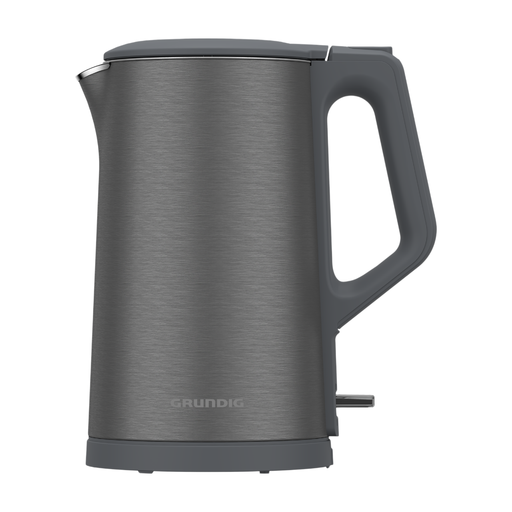
Why this model is a great fit: With a 1.5-litre capacity and a cool-touch double wall, this appliance is ideal for households where safety and sufficient capacity for multiple people are a priority.
The concealed stainless steel heating element minimises limescale buildup. The reliable auto shut-off and boil-dry protection prevent safety hazards.
The Cool-Touch double wall keeps the exterior surface cool and reduces the risk of burns, which is a crucial safety feature, especially in households with children.
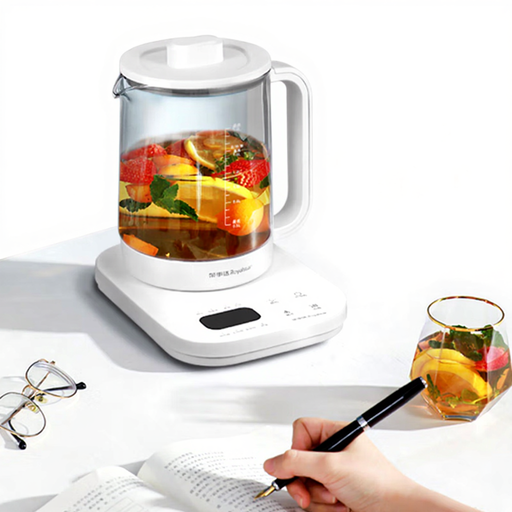
Why this model is a great fit: This appliance is more than just a kettle. With eight cooking functions and precise, adjustable temperature control, it's perfect for anyone who wants to prepare their hot beverage exactly to their specifications.
The body, made of high-borosilicate tempered glass, ensures absolute flavour neutrality and prevents water from contacting plastic, thus avoiding the "plastic taste" pitfall.
The 11-step keep-warm function (40°C - 90°C) and adjustable power (100W-800W) offer exceptional control not found in standard kettles.
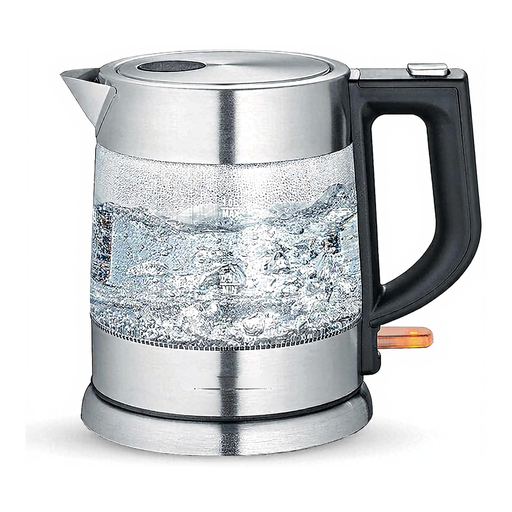
Why this model is a great fit: With a 1.0-litre capacity and a compact design, this kettle is a practical solution for small kitchens, offices, or for taking on the go.
The glass and stainless steel design is built for durability and easy cleaning. It forgoes complex electronics, which can be prone to failure in travel appliances.
The simple, one-handed operation and removable limescale filter make it easy to handle. Note: According to the manufacturer, this model does not have an automatic shut-off feature and therefore requires supervision during operation.
We have compiled a complete, up-to-date list of products that fully meet these strict selection criteria and German safety regulations.
The frequency depends on the water hardness in your area and how often you use it. With hard water, it's advisable to descale the appliance every four to eight weeks. With soft water, cleaning it every few months is sufficient. Regular descaling ensures better heating performance and a longer lifespan for the device.
There's no single right answer, as the choice depends on personal priorities:
Boil-dry protection is an essential safety feature. It prevents the kettle's heating element from turning on or continuing to heat when there is no water or too little water inside. This protects the kettle from overheating and potential damage or fire hazards.