
Lieferung heute & morgen

Qualitätsgarantie

Willkommens-Angebote freischalten: KOSTENLOSE Lieferung | Bis zu 80 % RABATT | Kostenlose 30-Tage-JoyPlus-Testphase
App herunterladen
The search for a new electric kettle seems simple at first glance. However, the market is flooded with appliances whose marketing promises often suggest more than the technology can deliver. Many buyers quickly discover that their supposedly fast kettle consumes a lot of power, the "stainless steel" model is actually plastic on the inside, or the expensive designer piece starts leaking after just a few months. These experiences lead to frustration and unnecessary expenses.
This guide will help you avoid such pitfalls. We focus on the objective criteria that truly matter, so you can find an appliance that is reliable, safe, and perfectly tailored to your needs.
Before you buy an electric kettle, it's important to understand the technical specifications and materials. Three factors are particularly decisive for the durability, safety, and functionality of your appliance.
The material of the kettle has a direct impact on water quality and the appliance's durability. The most common options are stainless steel, glass, and plastic.
The power, specified in watts (W), determines how quickly the water heats up. A fast-boil kettle typically has a power rating of 2200 to 3000 watts. Such models can bring one litre of water to a boil in under three minutes.
The capacity should match your household's needs. For single-person households or offices where only one cup of tea is made at a time, a small kettle with a 1.0 to 1.2-litre capacity is often sufficient and more energy-efficient. Families or heavy users will benefit from a standard model with a 1.7-litre kettle capacity.
For tea connoisseurs or parents, a kettle with temperature control is a worthwhile investment. Different types of tea develop their best flavour at different temperatures—green tea, for example, at around 80°C, and black tea at 95–100°C. A tea kettle with temperature control allows for precise preparation. Exact temperature control is also advantageous for preparing baby formula. Other useful features include a keep-warm function, which holds the water at the selected temperature, and a removable limescale filter, which simplifies cleaning.
Based on the criteria mentioned, we have identified several models suitable for different user profiles.
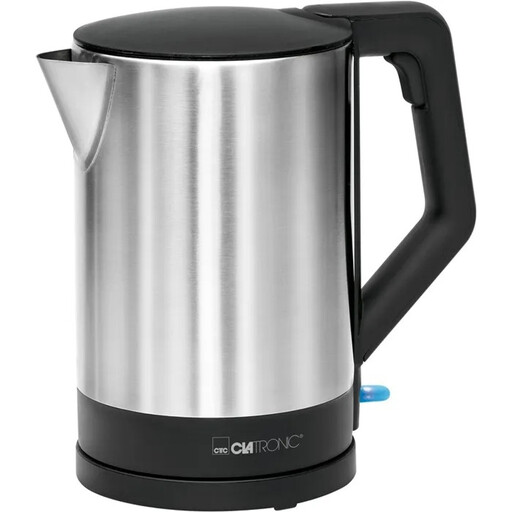
Why This Fits Their Persona: Ideal for households seeking a reliable and functional appliance without complex extra features. It focuses on the essentials: boiling water quickly and safely.
This model forgoes expensive design elements, instead offering solid performance and a durable stainless steel body at a reasonable price.
2200 watts of power for rapid heating, BPA-free materials, and essential safety features like boil-dry and overheating protection.
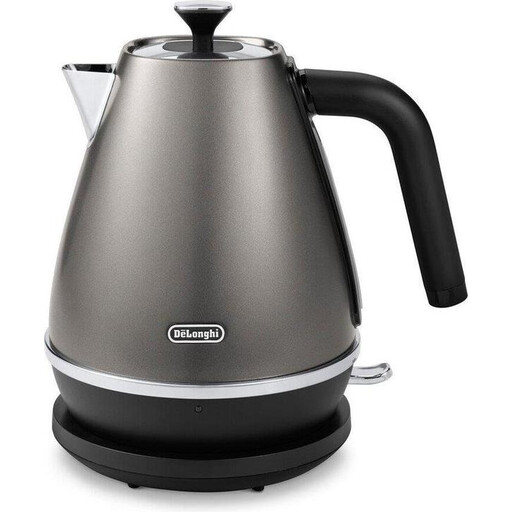
Why This Fits Their Persona: For users who view their kettle as a stylish kitchen accessory and value high-end aesthetics and a premium feel.
This designer kettle combines an appealing look with a robust stainless steel construction and reliable safety features, rather than focusing solely on aesthetics.
Exclusive design with a matte metallic finish, 1.7-litre capacity, and a 3-level safety shut-off for enhanced security.
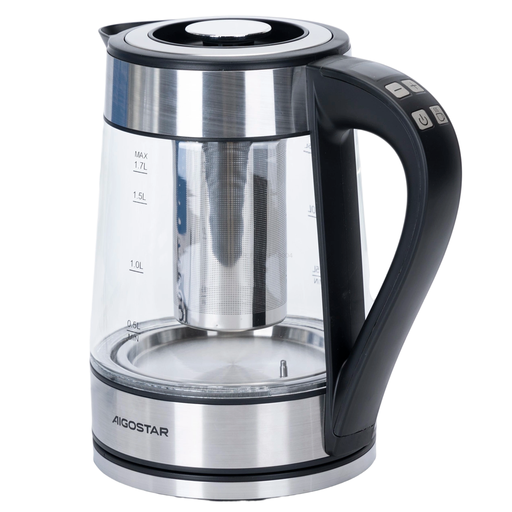
Why This Fits Their Persona: Perfect for users who need precise water temperatures for different types of tea or pour-over coffee and want full control over the brewing process.
This appliance bypasses basic models by offering granular temperature control—a feature often missing even in many expensive devices.
13-level temperature control, a digital display for the current water temperature, a keep-warm function, and an integrated tea filter.
We have compiled a complete, up-to-date list of products that fully meet these strict selection criteria and all relevant safety standards.
The frequency of descaling depends on the water hardness in your area. With hard water, it is advisable to descale the kettle every one to two months. With soft water, every three to four months is usually sufficient. Regular descaling is important because limescale deposits can impair heating performance, increase energy consumption, and shorten the appliance's lifespan.
Each material has its pros and cons. Stainless steel is very durable, robust, and taste-neutral. Glass also offers taste neutrality and an appealing look but is more fragile. Plastic is lightweight and often more affordable, but you should absolutely look for the BPA-free label to ensure no unwanted chemicals leach into the water.
"BPA-free" means that the plastic parts of the kettle that come into contact with water were manufactured without the chemical Bisphenol A. BPA is suspected of having adverse health effects. A kettle labelled as BPA-free therefore offers greater safety for the health-conscious consumer.