
Lieferung heute & morgen

Qualitätsgarantie

Willkommens-Angebote freischalten: KOSTENLOSE Lieferung | Bis zu 80 % RABATT | Kostenlose 30-Tage-JoyPlus-Testphase
App herunterladen
A warm meal during your lunch break can make the workday much more enjoyable. But not everyone has access to a cafeteria or a microwave. An electric lunch box or an alternative insulated food container offers a practical solution. It allows you to heat home-cooked meals right at your desk, in the car, or anywhere with a power outlet.
This article serves as a guide. We'll introduce various concepts—from actively heated lunch boxes to passively insulated containers—and explain the key features to help you choose. Our goal is to provide you with an objective basis for your decision.
The right model depends on your individual needs and daily routine. The following criteria will help you identify the features that are most important to you.
The way your meal gets or stays warm is the key differentiating feature.
The material affects not only durability and safety but also how easy it is to clean.
For varied meals, a well-designed layout is crucial. A lunch box with compartments allows you to transport and heat your main course and side dishes separately. This prevents flavours from mixing and keeps components like salad fresh.
Another critical criterion is being leak-proof. A reliable seal with sturdy locking clips prevents liquids like sauces or soups from spilling in your bag. Models with a vacuum seal often offer extra protection.
Here, we present three different models that cover various use cases—from active heating to a flexible meal prep solution.
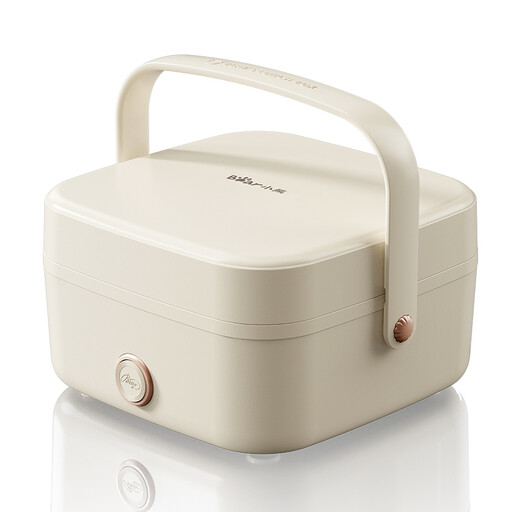
Why it stands out: This model is a true electric lunch box that heats food without adding water. This makes it especially easy and clean to use.
Advantages:
Who it's for: Ideal for professionals, commuters, and field staff looking for a straightforward, fast, and quiet solution to heat their meal right at their desk or during a break, without needing to visit a kitchen.

Why it stands out: This insulated food container works entirely without electricity, keeping food warm for hours through vacuum insulation.
Advantages:
Who it's for: Perfect for people who eat in places without a power outlet, like on construction sites, on trips, or during long car rides. Especially good for liquid and semi-liquid foods like soups, stews, or chili con carne.
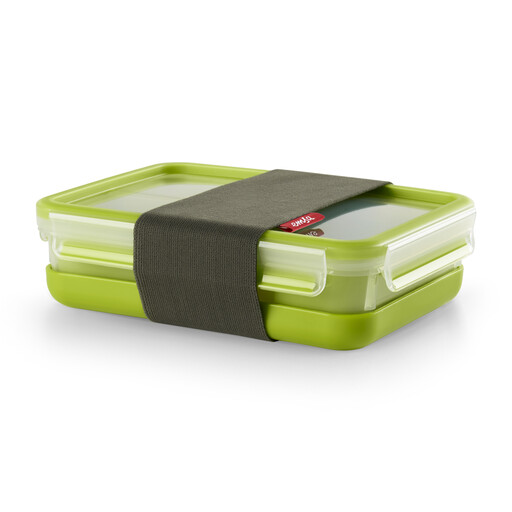
Why it stands out: This box is an organisational powerhouse for meal prep. With its flexible inserts and certified leak-proof design, it's a reliable choice for anyone with access to a microwave.
Advantages:
Who it's for: The ideal choice for health-conscious meal preppers and office workers who prepare their meals at home and heat them in a microwave at work. The compartment system is perfect for keeping components fresh.
The products featured here cover a range of needs. However, if you're looking for other options, different sizes, or specific designs, a wider variety of solutions is available.
Discover Our Full Range of Portable Insulated Food Containers
1. How does an electric lunch box work? An electric lunch box contains a small heating plate in its base. After plugging it into a power source (a wall outlet or a 12V car adapter), this plate gently heats the inner container and the food to an eating temperature of about 60–70°C.
2. How long does a heated lunch box take to warm up? The heating time depends on the model, the amount of food, and its initial temperature. Generally, the process takes between 20 and 45 minutes. It's recommended to turn on the device about half an hour before you plan to eat.
3. Is an electric lunch box leak-proof? Leak-proofing varies from model to model. Many modern electric lunch boxes feature silicone seals and sturdy locking clips to prevent spills. Models with a vacuum seal often provide even greater security. It's advisable to check the product description carefully and to transport the box upright, especially with very liquid foods.