
Lieferung heute & morgen

Qualitätsgarantie

Willkommens-Angebote freischalten: KOSTENLOSE Lieferung | Bis zu 80 % RABATT | Kostenlose 30-Tage-JoyPlus-Testphase
App herunterladen
Deciding to grind your own meat is often the first step toward gaining more control and freshness in your kitchen. An electric meat grinder can be an invaluable tool, not just for burger patties, but also for sausages, kibbeh, or even spritz cookies. However, the market is flooded with appliances whose performance claims often create more confusion than clarity. Before you make a purchase, it's important to understand the common pitfalls that can lead to buyer's remorse.
To make an informed decision, you should focus on a few crucial technical specifications. These will determine whether your new electric mincer for meat will be a long-term asset to your kitchen.
The most important metric is the nominal power, specified in watts. It describes the power the motor can reliably deliver during continuous operation. For home use, models with a nominal power between 300 and 600 watts are generally more than sufficient to process even large quantities of meat without overheating. The often-advertised maximum power (e.g., 1200W meat grinder) is the peak power—a value the motor only reaches for a few seconds to clear blockages. A good rule of thumb is a balanced ratio between both values. A reverse function is also an important feature to easily and safely clear any jams.
The components that process the meat should be made of robust and food-safe materials.
A good electric meat grinder stands out for its versatility. Pay attention to the included accessories:
Here are some recommendations tailored to different needs and kitchen situations.
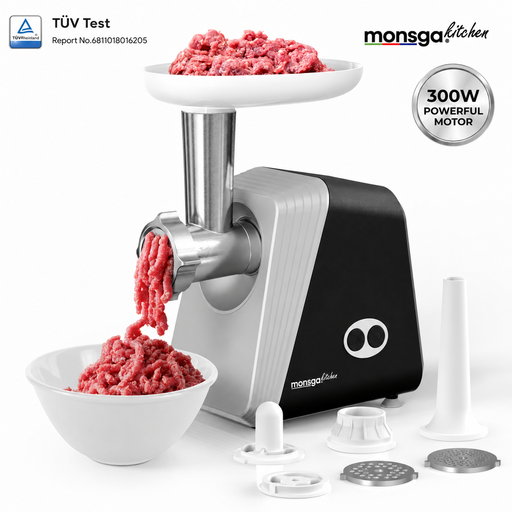
Why It's a Match: Ideal for beginners and ambitious home cooks who want a complete package to start making ground meat, sausages, and cookies right away without needing to buy additional accessories.
The device offers a comprehensive accessory set with three grinding plates, a sausage stuffer, a kibbeh attachment, and a cookie press. This bypasses the problem of incomplete or unusable accessories.
The copper core motor with 300W of nominal power and 1200W of peak power provides a solid foundation for most home applications. The integrated reverse function helps clear blockages.
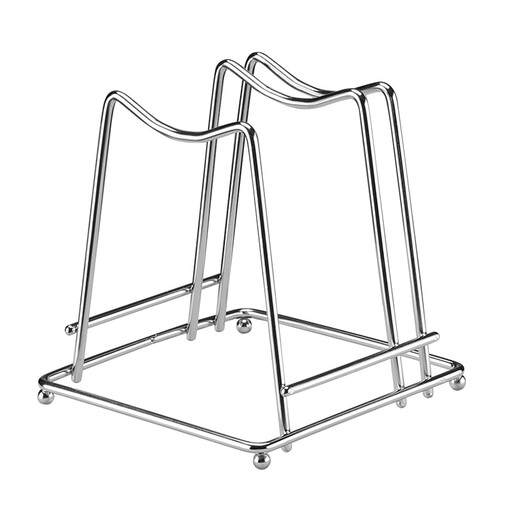
Why It's a Match: A meat grinder comes with many small parts. This organizer provides a hygienic and tidy storage solution for grinding plates, blades, and attachments, instead of leaving them loose in a drawer.
It solves the problem of unhygienic and disorganized storage. Sharp and oily accessories are stored safely and separately, which promotes longevity and improves hygiene.
Made from food-grade 304 stainless steel, the holder is rust-resistant and easy to clean. The U-shaped slots securely hold the round grinding plates in place.

Why It's a Match: In smaller kitchens, counter space is precious. This wall rack creates room for a new appliance like a meat grinder by moving other utensils, spices, or towels to the wall.
It solves the "no more space" dilemma. Instead of forgoing a useful kitchen appliance, you can optimize your existing space and create a more efficient work environment.
Maximizes vertical storage with four hooks and a shelf. The combination of solid wood and metal complements many interior styles and is a functional addition.
A well-organized kitchen makes food preparation easier and more enjoyable. We've curated a selection of products to help you keep things tidy.
How do you properly clean an electric meat grinder? Proper cleaning is crucial for the hygiene and longevity of the device. After each use, disassemble all removable parts such as the auger, blade, grinding plates, and attachments. Wash them by hand in warm water with mild dish soap. Important: Never put metal parts in the dishwasher, as harsh salts and high temperatures can lead to corrosion and discoloration. Dry all parts thoroughly before reassembling or storing them. The motor block should only be wiped with a damp cloth.
What do the wattage ratings on a meat grinder mean? Manufacturers often provide two wattage values. The nominal power (e.g., 300W) is the relevant figure for continuous load during normal operation. The maximum blocking power (e.g., 1200W) describes the short-term force the motor can exert to overcome a blockage. For home use, a nominal power of 300 to 600 watts is a good benchmark for reliable results.
Can I grind bones with a home-use electric meat grinder? No, as a rule, you cannot. Most models for home use are designed exclusively for processing sinew-free meat, fat, and soft vegetables. Attempting to grind hard bones can permanently damage the motor, auger, and blades. Always read the manufacturer's specific instructions in the user manual.