
Lieferung heute & morgen

Qualitätsgarantie

Willkommens-Angebote freischalten: KOSTENLOSE Lieferung | Bis zu 80 % RABATT | Kostenlose 30-Tage-JoyPlus-Testphase
App herunterladen
An automatic milk frother promises a café-quality coffee experience—creamy milk foam for cappuccinos, latte macchiatos, or hot chocolate at the touch of a button. But the market is crowded, and many devices turn out to be a poor investment. Before you make a decision, it's crucial to understand the common pitfalls that often only become apparent after a few weeks of use.
As your Joybuy Product Recommendation Officer, I'll help you distinguish marketing promises from genuine performance features. In this guide, we'll focus on the three most common problems and the technical criteria that truly matter.
The 3 Most Common Problems with Electric Milk Frothers:
To avoid a bad purchase, you should focus on objective technical features rather than marketing claims.
The quality of the milk foam depends directly on the technology. There are two common systems:
Regardless of the heating method, sufficient motor power is crucial for fine-pored, stable, and creamy milk foam. This is especially true if you use a milk frother for plant-based milk (e.g., oat or soy milk), as these are harder to froth due to their lower fat and protein content. A high-quality whisk designed specifically for microfoam is a must for anyone looking for a milk frother for latte art.
The material of the milk jug is a key quality indicator. A stainless steel milk frother is often the more robust choice here.
Look for solid construction where the base station with the electronics is clearly separate from the detachable milk jug. This prevents moisture from getting in and increases the device's lifespan.
A good automatic milk frother should do more than just heat milk. Check if the device offers the features that are important to you:
We have analysed products and matched them to different user profiles to give you clear guidance.
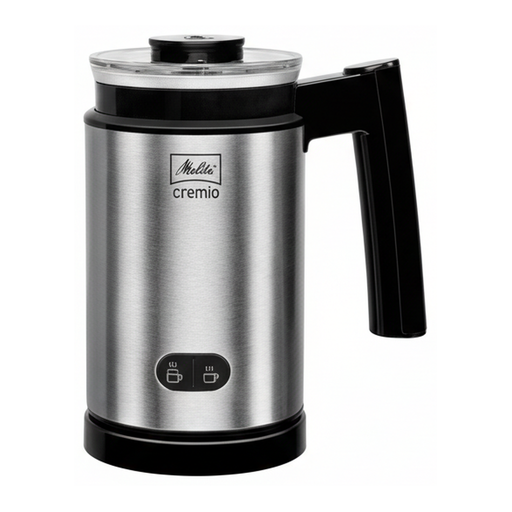
Why This Fits Their Persona: Ideal for users seeking a reliable brand-name device for their daily cappuccino without complex settings. The simple operation and compact design fit perfectly into any kitchen.
Melitta's non-stick coating is designed for durability, and the simple one-touch operation avoids complex electronics that can be prone to failure. Cleaning is straightforward thanks to the dishwasher-safe lid and whisk.
Offers both hot and cold milk foam. The device is Dekra GS safety certified and has an automatic shut-off.
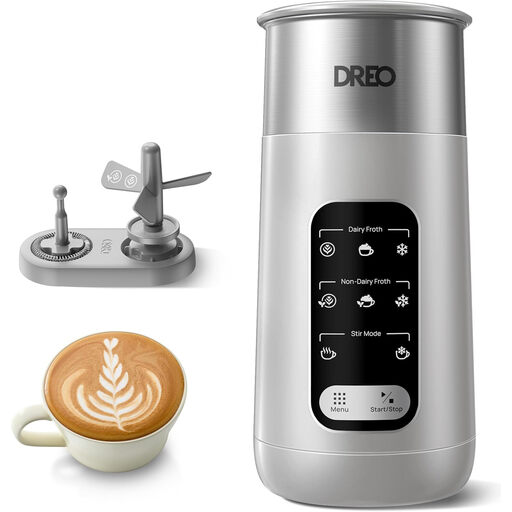
Why This Fits Their Persona: Perfect for adventurous users who prepare various types of milk (especially plant-based) and drinks. The specific programmes for microfoam and different milk types offer maximum flexibility.
Directly addresses the versatility trap with 8 functions. The stainless steel jug prevents issues with peeling coatings and is hygienic. The special settings ensure consistent results even with plant-based milk.
Special programmes for dairy and plant-based drinks, adjustable foam and temperature settings, and a special whisk for latte art microfoam.

Why This Fits Their Persona: For home baristas seeking an all-in-one solution for café-quality coffee. This machine combines an espresso maker with an automatic milk frother designed for perfect latte art.
It bypasses the inconsistent foam quality trap with a professional steam wand that automatically creates silky microfoam. As a high-end integrated system, it's built for performance and durability, not compromises.
Integrated conical burr grinder, ThermoJet heating system with a 3-second heat-up time, and an automatic milk frother with adjustable temperature and texture.
We have compiled a complete, up-to-date list of products that fully meet these strict selection criteria and fully comply with German safety regulations.
1. How do you properly clean an electric milk frother to extend its lifespan? Proper cleaning is crucial. Rinse the jug with cold water immediately after each use to prevent milk protein from drying on. Many stainless steel jugs and whisks are dishwasher-safe—check the manufacturer's instructions for this. The base station with the electronics must never be submerged in water; wipe it only with a damp cloth.
2. Does every electric milk frother work with plant-based milk like oat or soy milk? No, not every milk frother is equally suitable for plant-based milk alternatives. Success depends on the protein and fat content of the milk alternative, as well as the device's power. Models with a strong motor and special programmes or whisks for fine-pored foam generally achieve better results. So-called "Barista Editions" of plant-based milks are often specifically optimised for frothing.
3. What is the difference between induction milk frothers and devices with a heating coil? Devices with a heating coil have a heating element at the bottom of the container. This is a proven and cost-effective technology. Induction milk frothers generate heat via an electromagnetic field directly in the base of the (usually stainless steel) jug. This results in very even and precisely controllable heating, which minimises the risk of milk scorching and often allows for easier cleaning.