
Lieferung heute & morgen

Qualitätsgarantie

Willkommens-Angebote freischalten: KOSTENLOSE Lieferung | Bis zu 80 % RABATT | Kostenlose 30-Tage-JoyPlus-Testphase
App herunterladen
An electric milk frother can make cappuccinos, lattes and iced coffee drinks much easier to prepare at home. However, a low price or a long list of features does not automatically mean the appliance is right for you. Capacity, cleaning requirements, temperature functions and how the frother performs in everyday use are what really matter.
The capacity stated on the packaging does not always refer to the maximum amount of foam. Milk needs room to expand during frothing. Depending on the programme, a 250 to 300 ml container may therefore be able to process considerably less milk as foam.
Look for separate specifications for heating milk and frothing milk. For a single cappuccino, 100 to 150 ml of foam is often enough. A larger capacity makes sense when preparing several drinks.
An automatic milk frother takes care of stirring and heating, but not cleaning. Milk residue can build up on the stirring mechanism, lid and inner wall. A non-stick coating makes wiping the appliance clean easier, but it does not replace cleaning it immediately after use.
It is also important to check which parts can actually go in the dishwasher. With many appliances, only the lid, whisk or attachments are dishwasher-safe, while the electrical base may only be cleaned with a damp cloth.
Programmes for latte art, different types of milk or cold foam can be useful. However, if you mainly prepare hot cappuccinos, you may not need an extensive menu system. Check whether the controls are easy to understand and whether the function you want can be accessed with a single button press.
A milk frother for hot and cold milk foam is suitable for cappuccinos, lattes, iced coffee and desserts. For hot foam, temperature control and automatic switch-off are important. Hot containers and milk can cause scalding, so handles and pouring spouts should be safely accessible.
Cold foam does not require heating power. Some appliances have a dedicated programme for this, while others simply stir the milk electrically. Pay attention to the manufacturer’s specifications regarding the type of milk and minimum filling level.
A stainless steel milk frother is robust and can be easily wiped clean on many models. A non-stick coating can help prevent milk from sticking heavily during heating. Do not use metal utensils or abrasive sponges on coated inner surfaces.
With a dishwasher-safe milk frother, check carefully whether this claim applies to the container, lid and stirring attachments, or only to individual accessories.
Electrical models with 220 to 240 volts are generally compatible with German household sockets. A compact appliance is practical for small kitchens, offices, student accommodation and motorhomes. However, corded appliances require a suitable socket nearby.
You should also check the following before buying:
A manual milk frother can be useful for travelling or occasional use. It does not require electricity, but usually does not heat the milk itself. An electric model is more convenient if you regularly prepare cappuccinos or lattes.
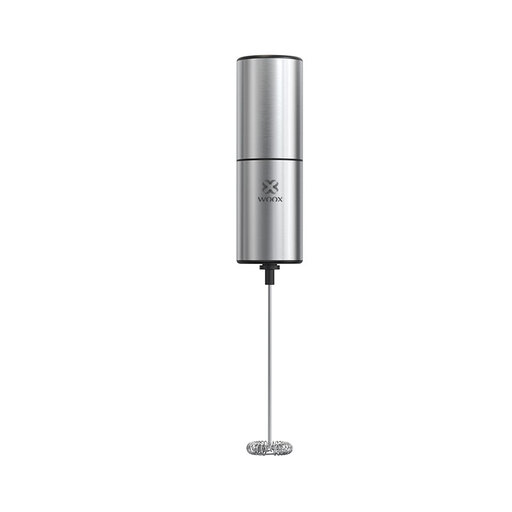
Why this product suits this profile: This battery-operated handheld frother is designed for individual portions, offices, travelling and small kitchens. It does not require a base station and can be stored neatly without taking up much space.
The compact design avoids unnecessary extra functions. As the milk is heated separately, cleaning the electrical part is straightforward.
Cordless operation and a handy format. Suitable for preparing small quantities, provided you are happy to heat the milk separately.
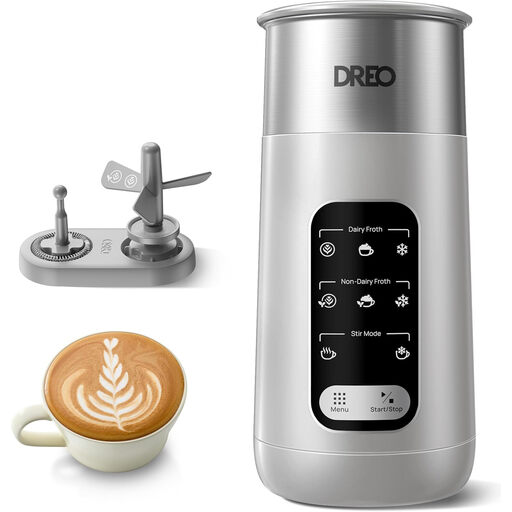
Why this product suits this profile: According to the product specifications, this model offers a 270 ml capacity, adjustable froth and temperature settings, and programmes for hot and cold preparation.
The “MIN” and “MAX” markings help prevent overfilling or underfilling. The manufacturer also highlights the automatic switch-off and cleaning of the removable parts.
Stainless steel container, LED controls and several programmes. According to the supplier, the container, lid and attachments are dishwasher-safe in the top rack.
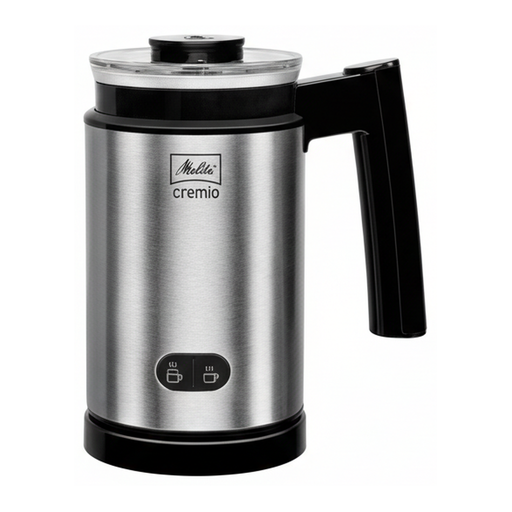
Why this product suits this profile: This appliance is designed for hot and cold milk and for preparing coffee drinks regularly. The specifications state 450 watts, a 250 ml container capacity and a non-stick coating.
The separate specifications for 100 to 150 ml of foam and 100 to 250 ml of hot milk make usage easier to plan. According to the product description, the whisk and lid are dishwasher-safe.
One-touch controls, a 360-degree base station and automatic switch-off. The base station must not be immersed in water.
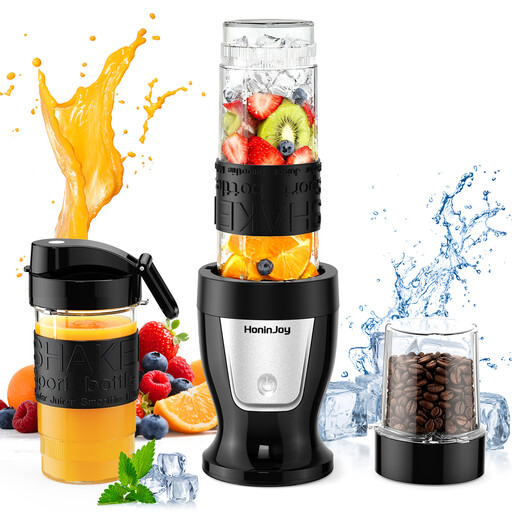
Why this product suits this profile: This appliance is not a milk frother but a compact blender for smoothies and shakes. It is suitable for households that also want to prepare juices, protein shakes or ground ingredients.
The choice is based on the intended use: for smoothies and shakes, the appliance offers 650 watts of peak power, a pulse function and two portable cups.
Two BPA-free, leakproof drinking cups and a grinding cup. According to the supplier, the cups, lids and grinding cup are dishwasher-safe.
We have put together a complete, regularly updated list of products that fully meet these strict selection criteria and the safety regulations applicable in the EU.
An electric milk frother for cappuccinos is a sensible choice when you want to heat and froth milk at the same time. Automatic switch-off reduces the effort required. For lattes, look for stable, fine-textured foam and a pouring spout that is easy to control.
A manual stainless steel milk frother with induction, on the other hand, is suitable for users who want to work without an electric motor. According to the product specifications, the Bialetti model with a 330 ml capacity is suitable for induction hobs and other types of cooker, and can be cleaned in the dishwasher. The milk must be heated separately on the hob.
If you also need a Smoothie Maker or Personal Blender, do not try to compare both appliance categories using the same criteria. A blender processes fruit, liquids or ice, while a milk frother is designed for milk and creating foam.
Always follow the “MIN” and “MAX” markings. When frothing, do not confuse the maximum amount of foam with the maximum amount of hot milk. Too little liquid can cause malfunctions or sticking in heated appliances.
Its lifespan depends on how it is used and cleaned, as well as how you treat the coating, whisk and base station. Clean off milk residue immediately after use, use only approved attachments and follow the operating instructions. Electrical bases, cables and plugs must not come into contact with water.
Power consumption depends on the wattage and operating time. An appliance rated at 450 watts uses less energy when operated for a few minutes than it would during continuous operation. For an accurate estimate, check the power rating of the specific model and how often you intend to use it.