
Lieferung heute & morgen

Qualitätsgarantie

Willkommens-Angebote freischalten: KOSTENLOSE Lieferung | Bis zu 80 % RABATT | Kostenlose 30-Tage-JoyPlus-Testphase
App herunterladen
Electric cooking appliances range from induction hobs and electric cookers to compact electric cooking pots. There’s plenty of choice, but product descriptions often focus on features that matter less in everyday use. If you only look at wattage, design or a long list of functions, it’s easy to overlook connection requirements, space needs or ongoing cleaning costs.
This buying guide explains what households, families, students, campers and catering businesses should look for when choosing electric cooking appliances.
A high wattage can mean faster heating, but it also places greater demands on the circuit, fuse and electrical connection. For example, a built-in hob with a total power rating of 7,200 W needs to be connected by a qualified professional. According to the product details, the TOPWISH induction hob does not come with a plug fitted. It must be connected by a qualified electrician in accordance with local requirements.
For a small flat or student room, a single electric hotplate rated at 1,500 to 2,100 W may be more practical. It’s usually easier to set up and can be put away after use.
A multi-cooker, rice cooker or slow cooker can handle several types of cooking. But capacity is still key. A 1.6-litre appliance is better suited to individuals, students or couples. For family meals, 4 to 7 litres is more practical. An appliance that’s too small means cooking in several batches, while an oversized model takes up more space and may be awkward to use for small portions.
A glass surface is generally easy to wipe clean, as long as spills aren’t left to burn on. Non-stick coatings should usually not be cleaned or handled with metal utensils. For appliances that use steam, a lid or pressure, make sure the steam outlet, seals and removable parts are accessible too. Before buying, check which components can be removed and how they should be cleaned.
An induction hob heats pots and pans made from magnetic materials. A simple magnet test on the base of a pan will show whether it’s suitable. Aluminium or ceramic cookware without a magnetic base won’t work reliably on these appliances.
A ceramic or conventional electric hob, on the other hand, transfers heat directly through the cooking zone. It’s generally less demanding when it comes to cookware, but takes longer to cool down. A portable induction hob is suitable for use in different locations, while a built-in hob needs a suitably sized worktop cut-out and a fixed electrical connection.
Before buying, compare the width, depth and height, as well as the cut-out dimensions if applicable. The TOPWISH model measures 59 × 52 × 6 cm and, according to the product details, requires a cut-out measuring 56.5 × 49.5 cm. A built-in oven is usually fitted into a kitchen unit. A freestanding cooker, on the other hand, needs a suitable space, with enough clearance from walls and flammable materials.
For compact appliances, weight, cable length and storage space are also important. If you’re using one for camping or on a balcony, a lightweight design and a stable, heat-resistant surface are particularly important. Outdoor use is only permitted if the relevant instruction manual explicitly allows it.
Useful features vary by appliance, but may include:
Electrical appliances must not be immersed in water. Take particular care around hot surfaces, steam and oil. If you have an implanted electronic device, follow the manufacturer’s safety advice for induction appliances and keep to the recommended distance.
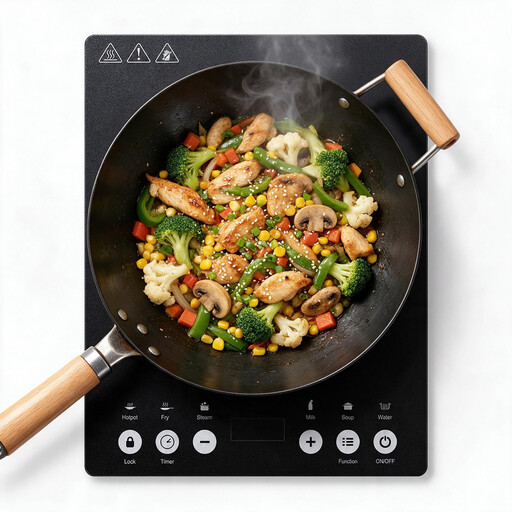
Why it suits this type of user: This portable induction hob takes up little space and has ten power levels for boiling, frying and reheating.
The power levels are easy to adjust, and the product description clearly highlights the need for magnetically compatible pans and unobstructed ventilation openings.
2,000 W, touch controls, six preset functions, child lock and dry-boil protection.
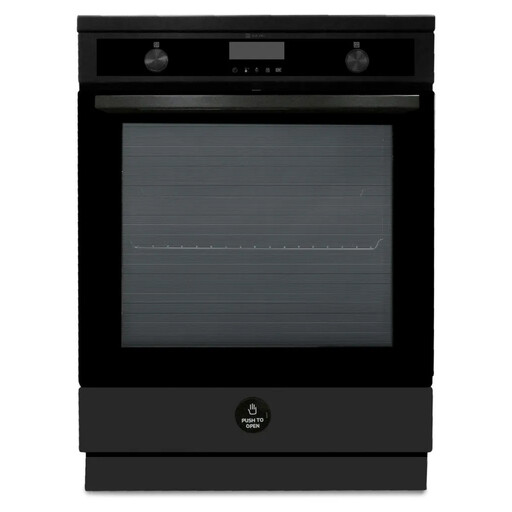
Why it suits this type of user: This freestanding cooker combines a four-zone induction hob with a 73-litre oven and nine heating functions.
The product details give specific dimensions, connection information, heating functions and a cleaning feature, rather than relying on vague promises of convenience.
73-litre oven, pyrolytic cleaning, Bridge function and 14 power levels per cooking zone, according to the product details.
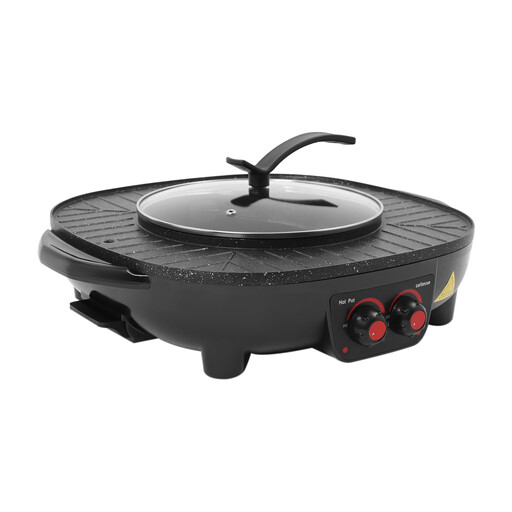
Why it suits this type of user: This appliance combines a grill surface with a hot pot, and is designed for five to six people according to the product details.
Separate temperature controls make it easy to manage each area, while a removable oil tray makes cleaning easier.
2,000 W, integrated non-stick pan, grill and hot pot functions, and a toughened glass lid.
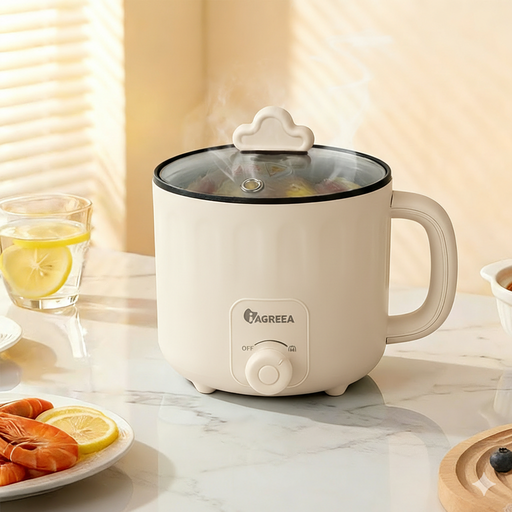
Why it suits this type of user: This compact appliance is made for individual portions, ramen, soups and simple stews.
Its capacity and 600 W power rating are clearly stated, making it easier to check whether it meets your needs.
1.6-litre capacity, one-button operation, automatic shut-off and dry-boil protection.
We’ve put together a complete, regularly updated list of products that meet these strict selection criteria and the safety regulations in force across the EU.
A portable induction hob, electric hotplate or compact electric cooking pot can work well in a small space. Before buying, check the space available, ventilation clearances and the socket you’ll be using. A capacity of 1.6 to 2.6 litres is often enough for one person, while larger households will need more.
Running costs depend on the appliance’s power rating, how long you use it and your electricity tariff. A 2,000 W appliance theoretically uses 2 kWh in one hour, although the thermostat, power setting and actual heating time all affect consumption. Wattage alone therefore isn’t enough to predict running costs accurately.
Lifespan depends on the appliance type, how well it’s cared for, how often it’s used and whether spare parts are available. Check glass-ceramic surfaces, non-stick coatings, seals and switches regularly. If the cable, plug, housing or cooking surface is damaged, stop using the appliance and consult the instruction manual or customer service.