
Lieferung heute & morgen

Qualitätsgarantie

Willkommens-Angebote freischalten: KOSTENLOSE Lieferung | Bis zu 80 % RABATT | Kostenlose 30-Tage-JoyPlus-Testphase
App herunterladen
An electric mini-pot promises quick, hassle-free meals for one person—ideal for a dorm room, the office, or travel. However, the market is flooded with models whose real-world performance often falls short of their marketing claims. Before you make a purchase, it's crucial to understand the common weaknesses that can quickly turn a supposed bargain into a useless gadget.
This guide will show you what to look for to avoid buyer's remorse and find an appliance that meets your needs for functionality and durability.
Many compact cooking devices share similar design flaws that only become apparent with daily use. Pay close attention to these three points:
To choose a reliable and safe appliance, you should carefully examine three technical parameters. These form the basis for a functional multi-cooker for singles or a practical cooking pot for students.
Instead of making a one-size-fits-all recommendation, we have identified models tailored to specific user profiles that address the critical points mentioned above.
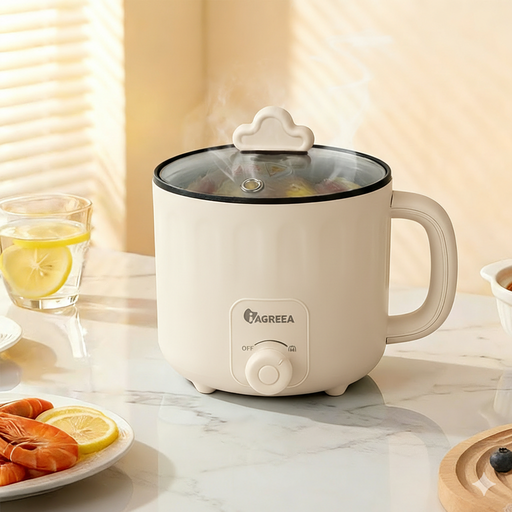
Why This Fits Their Persona: With a 1.6-litre capacity and a compact design, this appliance is tailored to the needs of individuals with limited space. It's perfect for preparing ramen, soups, or shabu-shabu in a dorm, office, or while travelling in an RV.
This device addresses all three core problems: it features a food-grade non-stick coating, an efficient 600W heating element for rapid cooking, and is equipped with an automatic shut-off and boil-dry protection.
The combination of portability, fast heat-up time, and comprehensive safety features makes it a reliable choice for on-the-go use. The simple one-button operation is particularly user-friendly.

Why This Fits Their Persona: With a 2-litre volume, this multi-cooker is ideal for 2-3 people. Its 7 cooking functions, including a timer and keep-warm feature, make it a versatile assistant in small kitchens that can do much more than just boil water.
The PFOA-free ceramic coating is a clear quality indicator that ensures the longevity of the non-stick property. The multiple programs prevent it from being a niche product, and its operation is clearly structured.
Its high versatility, thanks to 7 cooking functions and a timer, allows for planned and varied meal preparation. The included steamer basket further expands its range of uses.
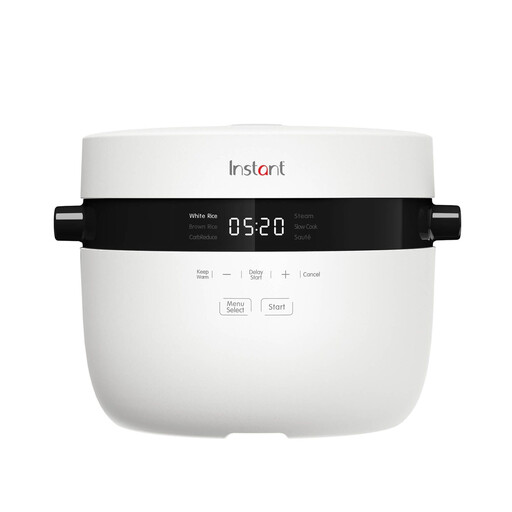
Why This Fits Their Persona: For users who want more than just a simple cooking function and need to prepare larger portions. With a 2.8-litre capacity and features like steaming, slow cooking, and sautéing, this appliance is a mini kitchen machine, perfect for meal prep.
As a product from an established brand, it meets high safety standards. The 860-watt power is appropriate for its size and ensures efficiency. The inner pot is dishwasher-safe, which indicates a durable coating.
Its multifunctionality (steamer, slow cooker, sauté pan) replaces several individual appliances. The manufacturer's "CarbReduce Technology" is a specific feature for health-conscious users.
We have compiled a complete, up-to-date list of products that fully meet these strict selection criteria and European safety regulations.
1. How much electricity does an electric mini-pot use? The power consumption depends on the wattage and duration of use. A 600-watt (0.6 kW) model running for 15 minutes (0.25 hours) consumes 0.15 kWh. At an electricity price of 30 cents/kWh, the cost for this cooking session would be about 4.5 cents. Operation is therefore very cost-effective.
2. Can you cook other dishes in an electric noodle pot? Yes, most models are designed as multi-cookers. Besides noodles, you can also cook soups, prepare stews, boil eggs, make oatmeal, or steam vegetables (if a steamer insert is included). Versatility is one of the main advantages of these appliances.
3. How do you properly clean a non-stick cooking pot? To maximise the lifespan of the coating, you should follow a few rules. Only use utensils made of wood, silicone, or plastic. After the pot has cooled down, clean it with a soft sponge and mild dish soap. Avoid abrasive scouring pads and harsh cleaning agents. Even if some pots are declared dishwasher-safe, hand washing is often gentler on the coating.