
Lieferung heute & morgen

Qualitätsgarantie

Willkommens-Angebote freischalten: KOSTENLOSE Lieferung | Bis zu 80 % RABATT | Kostenlose 30-Tage-JoyPlus-Testphase
App herunterladen
If you want to buy an electric motorcycle, you will find models online ranging from compact electric mopeds and road-legal 80-km/h vehicles to electric dirt bikes. However, there are significant differences in approval requirements, licences, range and batteries. A low-cost purchase can therefore prove impractical or unauthorised for use on public roads.
Manufacturer claims such as “up to 80 km” or “up to 115 km” apply under specific conditions. Rider weight, speed, temperature, inclines, tyre pressure, load and riding style all affect the actual range. If you commute 35 km each way every day, you should therefore look beyond the official figure and allow for a sufficient reserve.
A road-legal electric motorcycle may require additional steps depending on its vehicle class. These can include third-party insurance, an insurance registration plate or standard registration, a suitable driving licence and a helmet. An E-motorcycle with COC makes it easier to verify the approved vehicle details, but it does not automatically replace insurance and a driving licence.
An electric dirt bike may feature powerful brakes, suspension and a removable battery, but still be intended exclusively for private land or designated off-road tracks. Without the appropriate road approval, it must not be ridden on public roads, cycle paths or pavements.
The vehicle class is more important than a marketing description such as “E-scooter” or “E-motorbike”.
Before buying, check the details in the Certificate of Conformity (COC). The vehicle identification number, model and technical data should match the vehicle supplied and the invoice.
An electric vehicle with a removable battery can be practical if there is no socket at your parking space. However, battery weight, charger, charging time, safe storage options and the permitted operating temperature are all important. Lithium batteries should be kept dry, protected from excessive heat and charged only with the supplied charger.
Commuters may find the following simple calculation helpful:
For urban riding, working lights, indicators, rear-view mirrors and a suitable seating position are essential. At higher speeds, hydraulic disc brakes, suspension and tyre size become increasingly important. If you regularly want to carry a second person, you must observe the number of seats listed in the COC and the permitted maximum weight. A visually large seat alone does not mean that passenger transport is permitted.
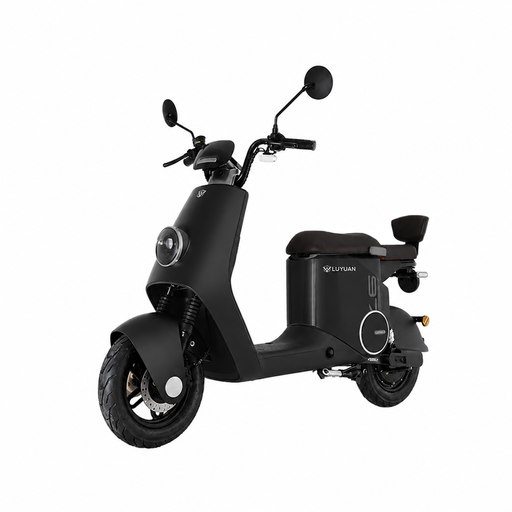
Why this product suits the profile: This L1e-B electric moped is designed for short urban journeys and, according to the product details, offers 600 W, 35 km/h, a range of 52 km and two seats.
The vehicle class, top speed and COC details are clearly stated. This allows you to check the legal classification before buying.
Compact dimensions, a stated range of 52 km and two approved seating positions.
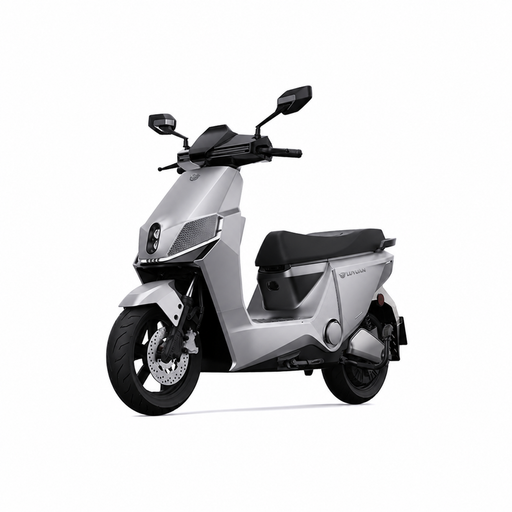
Why this product suits the profile: This L3e-A1 electric motorcycle is aimed at adults looking for 80 km/h, COC documents and two approved seats for everyday traffic.
The L3e-A1 classification and the steps required for registration, insurance and a driving licence are clearly stated.
3.0 kW 15/30-minute power, speeds of up to 80 km/h, a range of up to 80 km and two seating positions.

Why this product suits the profile: This L3e model is designed for commuting, urban journeys and carrying a second person. The removable lithium battery makes charging more convenient.
The stated range is explicitly described as a figure achieved under optimal conditions. The COC, VIN and invoice should be checked against one another before use.
3,000 W motor, speeds of up to 80 km/h, manufacturer range claim of up to 115 km, hydraulic disc brakes and two seats.
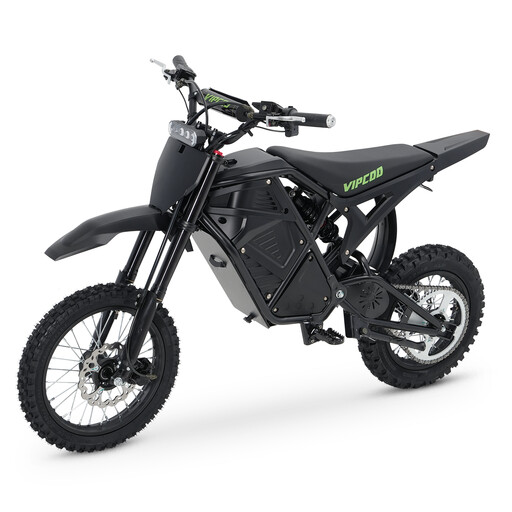
Why this product suits the profile: This model is intended for off-road tracks and private land, not public roads. It is a good fit for riders who specifically need suspension and off-road tyres for leisure riding.
The lack of road approval is stated explicitly. This avoids the common confusion between a dirt bike and a road motorcycle.
3,500 W motor, removable 48-V battery, hydraulic disc brakes and full suspension for suitable terrain.
We have put together a complete, regularly updated list of products that fully meet these strict selection criteria and the safety regulations applicable in the EU.
A 45-km/h L1e-B model is generally classified as a moped in Germany. An AM licence typically permits you to ride the relevant vehicles; other licence categories may also include this entitlement. Third-party insurance, an insurance registration plate and a suitable helmet are also required. The current legal position and the vehicle documents remain decisive.
Service life depends on charging cycles, temperature, usage, storage and state of charge. Use the original charger, avoid damaged batteries and store the battery according to the manufacturer’s instructions. Without individual usage data, it is not possible to give a reliable figure in kilometres or years.
Electricity costs depend on battery capacity, consumption and your electricity tariff. You may also need to budget for insurance, registration where applicable, tyres, brake pads, servicing and potential replacement parts. Before buying, you should therefore compare not only the purchase price and range, but also the charging infrastructure and service conditions.