
Lieferung heute & morgen

Qualitätsgarantie

Willkommens-Angebote freischalten: KOSTENLOSE Lieferung | Bis zu 80 % RABATT | Kostenlose 30-Tage-JoyPlus-Testphase
App herunterladen
An electric multi-cooker can complement a rice cooker, slow cooker, steamer, hob and, in some cases, an air fryer. However, having a wide range of functions does not automatically make a particular appliance the right choice. Singles have different requirements from families, and a mini multi-cooker for ramen is designed for a different purpose than a 7-in-1 multi-cooker with pressure-cooking functionality.
Names such as “4-in-1”, “7-in-1” or “10-in-1” initially only describe the number of advertised operating modes. What matters is whether you can adjust the temperature or power sensibly in everyday use. An appliance with just two heat settings may be suitable for noodles, soup and hot pot, but offers less control when slow-cooking or braising.
So check whether the appliance has continuous temperature control, specific temperature ranges or only pre-set programmes. For example, an electric hot pot with a range from 0 to 210 °C offers significantly different control from a model with “Low” and “High” settings.
The stated capacity does not always correspond to the amount you can use in practice. Liquid foods may boil over if the pot is filled to the brim. Rice, noodles and pulses also need room to expand.
As a general guide:
Also consider the space required, the cable length and the distance from walls. Appliances with a steam outlet or air-frying function need sufficient clearance around them.
A non-stick coating can make it easier to remove food residue, but it does not replace removable components and suitable cleaning. Sharp metal utensils, abrasive cleaners and hard sponges can damage the surface. The appliance body, mains cable and plug must not be immersed in water.
A removable inner pot, detachable lid, detachable cable and dishwasher-safe parts are all practical features. Before buying, also check whether replacement parts and accessories are available.
The wattage describes the appliance’s electrical power consumption, not automatically its cooking speed or the quality of the results. A 1,000 W appliance can heat water quickly, while a small 600 W mini multi-cooker is more likely to be designed for individual portions.
A timer function is useful for planning meals. Rice cookers may offer a delay-start timer of up to 24 hours, although perishable ingredients should not be left in the appliance unrefrigerated for extended periods. A keep-warm function is convenient, but should not be treated as a substitute for safe food storage.
First consider which dishes you regularly prepare:
A multifunction appliance saves space when you genuinely use its programmes. If you only prepare rice, you may not need a large 7-in-1 multi-cooker.
Look for clearly described features such as boil-dry protection, overheat protection, automatic shut-off, heat-resistant handles and a secure lid. Steam openings must not be covered during use. On appliances with a pressure function, the locking mechanism and controlled steam release are particularly important.
Use a suitable socket and place the appliance on a stable, dry and heat-resistant surface. The voltage and frequency specifications should be compatible with the German power supply, typically 220 to 240 V and 50 to 60 Hz.
The following selection categorises appliances by capacity, operation and intended use. The information is based on the respective product descriptions.
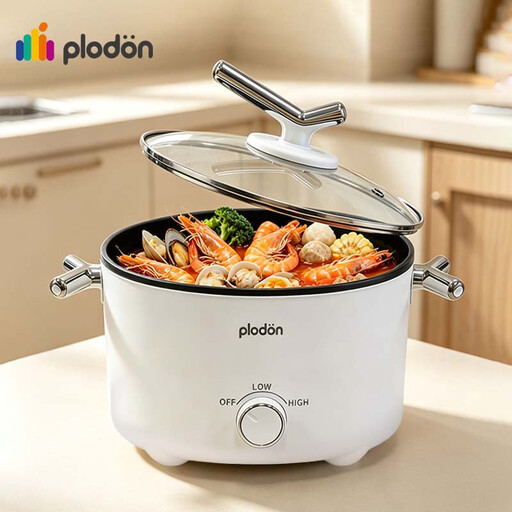
Why this product suits the profile: The compact 2.0-litre capacity is ideal for small kitchens, student accommodation and individual meals. Two power settings make it easy to use.
The product description specifies the capacity, power and two heat settings, rather than relying on an imprecise multifunction label.
2.0 litres, 1,000 W, glass lid and detachable mains cable; suitable for soups, pasta, porridge and hot pot.
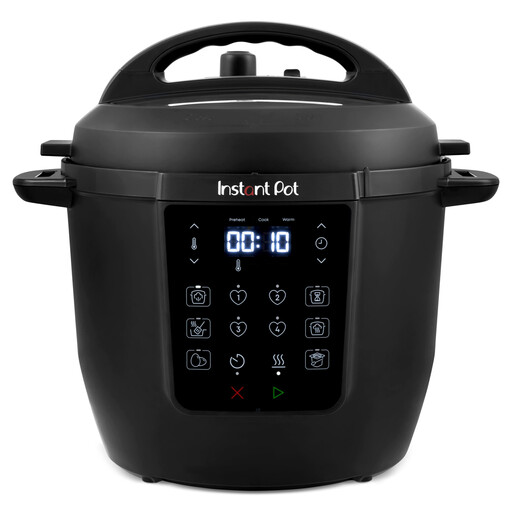
Why this product suits the profile: This model combines several clearly defined cooking methods, including pressure cooking, slow cooking, steaming and keeping food warm, in one 5.7-litre appliance.
The safety description mentions features including a locking lid, controlled steam release and overheat protection.
5.7-litre capacity, stainless-steel inner pot and several automatic programmes for family-sized portions.
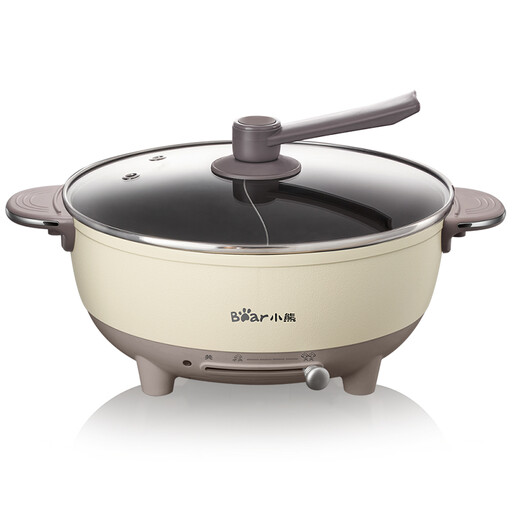
Why this product suits the profile: The divided inner pot allows you to prepare two flavours at once, making it ideal for families or shared hot-pot dining.
The temperature range from 0 to 210 °C is specified; boil-dry protection and a detachable mains cable are also listed.
6 litres, 1,500 W, 4-in-1 functionality and two separate sections in the pot.
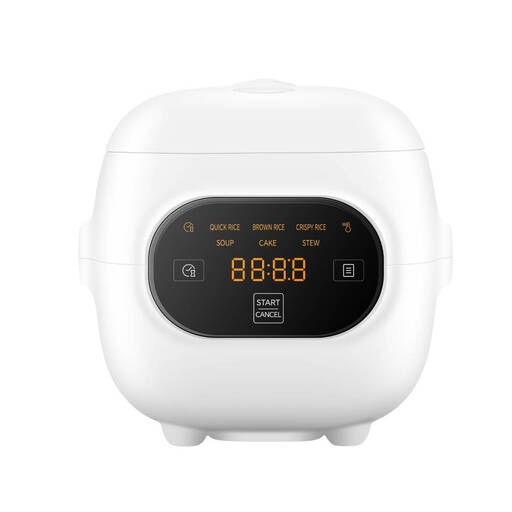
Why this product suits the profile: Its capacity is designed for one or two people. Six programmes, an LED display and a 24-hour delay-start function support everyday use.
The small capacity means that a one- or two-person household does not have to store an oversized appliance.
1.2 litres, keep-warm function, detachable lid, dishwasher-safe inner pot and steaming basket.
We have put together a complete, regularly updated list of products that fully meet these strict selection criteria and the safety regulations applicable in the EU.
Consumption depends on the power rating, operating time and cooking mode. In theory, a 1,000 W appliance running at full power for one hour uses 1 kWh. In practice, the heating element switches off periodically depending on the temperature control. For a realistic estimate, compare the wattage with the actual cooking time and do not use the keep-warm function for longer than necessary.
Its lifespan depends on cleaning, the coating, seals, heating technology and how it is used. Use wooden or silicone utensils, avoid scratches and allow the appliance to cool before cleaning. On pressure cookers, the sealing ring and valves should be checked regularly in accordance with the instructions. A damaged non-stick coating or faulty cable are reasons to stop using the appliance.
That depends on the dishes you want to prepare. A multi-cooker can handle rice, soups, stews and steamed dishes. An air fryer, on the other hand, uses hot circulating air and a basket; a dual-zone air fryer can cook two dishes separately. It is therefore usually more suitable for crisp results than a classic pot-style multi-cooker. The key question is whether versatility or a particular cooking method is more important to you.