
Lieferung heute & morgen

Qualitätsgarantie

Willkommens-Angebote freischalten: KOSTENLOSE Lieferung | Bis zu 80 % RABATT | Kostenlose 30-Tage-JoyPlus-Testphase
App herunterladen
An electric multi-cooker can prepare rice, pasta, soups, stews and steamed vegetables in a single appliance. This saves space for singles, couples, students and people living in smaller flats. Families, meanwhile, can benefit from larger containers or multiple tiers. The key is not to choose an appliance based solely on the number of programmes or marketing claims.
An appliance with six or seven programmes is not automatically suitable for every cooking method. Check whether it actually has a temperature control, different power levels or simply preset cooking times. A basic mini multi-cooker with two heat settings may be perfectly adequate for ramen, porridge and soup. For searing or precise low-temperature cooking, finer adjustment is more useful.
The stated capacity generally describes the volume of the pot, not the maximum safe fill level. When preparing soups, pasta and foods that foam, you need to leave space below the maximum mark. A 1.2- or 1.6-litre appliance is often suitable for one person or a couple. For several people, around 4 to 6 litres is more practical.
A non-stick cooking pot makes cleaning easier, but it is still vulnerable to metal utensils, abrasive sponges and overheating. Use wooden or silicone utensils instead. The outer casing, mains connection and heating element must not be immersed in water. Removable lids and dishwasher-safe parts can be more important in everyday use than additional cooking programmes.
For one or two portions, a mini multi-cooker, a 1.2- to 1.6-litre electric cooking pot or a small rice cooker may be suitable. As well as the volume, pay attention to the external dimensions, weight and a secure handle. A foldable handle or detachable cable makes storage in student accommodation, the office or a campervan easier.
For family meals, check not only the pot but also the available space on your worktop. An electric 5- or 6-litre hot pot requires more work surface and can become considerably heavier when filled.
The wattage affects how quickly water heats up, but on its own it says nothing about cooking quality. Small appliances rated at around 600 to 1,000 watts are designed for pasta, rice, soups and gentle simmering. A portable hot plate with 1,500 to 2,000 watts generally delivers greater heating power, but requires suitable cookware and a socket with sufficient capacity.
In Germany, check the specifications 220–240 volts and 50–60 hertz. Several high-powered appliances should not be operated through an unsuitable extension lead or multi-socket adapter. With induction hobs, the base of the pot must be magnetic; aluminium or ceramic cookware without a magnetic base will not work properly.
Useful features include a timer, keep-warm function, automatic switch-off, as well as overheating and boil-dry protection. These functions do not replace supervision during operation. Steam vents must remain clear, and the lid should only be opened carefully once no more hot steam is escaping.
An electric steamer should have a visible water-level indicator, removable inserts and a timer. With a rice cooker, water-level markings, a removable inner pot and a suitable measuring cup are particularly practical. For any coating, follow the manufacturer’s care instructions.

Why this product suits the profile: This compact appliance is designed for individual portions and meals for two. With 600 watts, one-button operation and a portable design, it is suitable for student accommodation, the office or camping.
The 1.6-litre capacity helps prevent unnecessary overfilling when preparing small portions. Boil-dry protection and automatic switch-off are listed as safety features.
1.6 litres, non-stick interior, 600 watts and compact dimensions for ramen, pasta, eggs and soups.
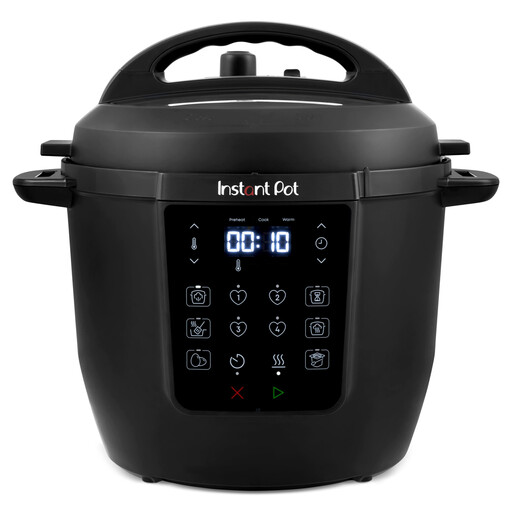
Why this product suits the profile: The larger capacity and range of cooking methods are aimed at households that regularly prepare soups, stews, steamed dishes or larger portions.
The features cover different cooking methods, as well as overheating protection and a lockable lid. This makes the choice of functions easier to understand than a simple list of programmes.
5.7 litres, seven listed functions, keep-warm option, stainless-steel inner pot and dishwasher-safe lid.
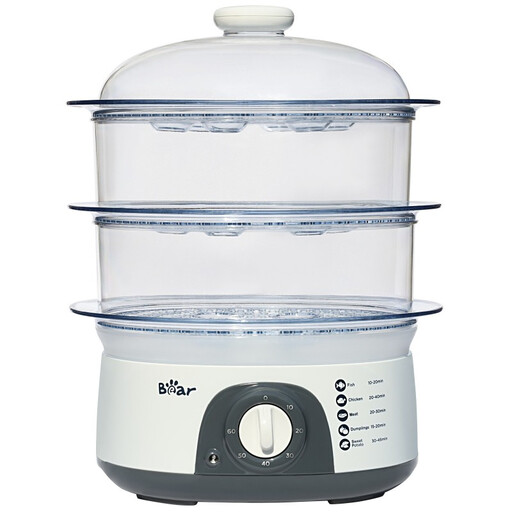
Why this product suits the profile: Three stackable tiers allow different ingredients to be steamed at the same time. This is useful for family meals and for regularly preparing vegetables, fish or side dishes.
The 60-minute timer and transparent lid make operation easier to control. Removable parts simplify cleaning.
10 litres, three tiers, 650 to 775 watts, sauce collector and removable components.

Why this product suits the profile: As a portable hot plate, this induction appliance is suitable for holiday lets, small kitchens or additional cooking space. However, it can only be used with magnetic cookware.
The ten power levels allow more precise adjustment than a simple on/off switch. The compatibility warning helps prevent buying unsuitable cookware.
2,000 watts, ten power levels, six functions, touch controls, child lock and boil-dry protection.
We have put together a complete, regularly updated list of products that fully meet these strict selection criteria and the safety regulations applicable in the EU.
A rice cooker is a sensible choice if rice, grains and the occasional steamed side dish are your main priorities. A multi-function cooker offers more possibilities, but may be less precise for specialist functions. An electric steamer is ideal for households that want to prepare several ingredients at once without adding extra oil. For frying or using your existing pots and pans, a portable hot plate is more flexible.
Also consider cleaning requirements: a permanently installed heating element must not be rinsed or washed. Compatible utensils are essential for coated pots. Before buying, also check the warranty details, instruction manual, EU responsible person and suitability for German sockets.
Consumption depends on the power rating and operating time. A 600-watt appliance theoretically uses 0.6 kilowatt-hours when operated for one hour; in practice, the heater switches off periodically depending on the temperature control. To calculate running costs, multiply the consumption by your individual electricity tariff.
For one person, 1.2 to 1.6 litres is usually sufficient. If you often prepare leftovers or meals for two, a capacity of around 2.4 to 2.6 litres may be more practical. Never fill the pot above the marked level.
Its lifespan depends on how it is used, cleaned and maintained. Treating the non-stick coating carefully, keeping electrical connections dry and observing cooling times can reduce typical wear and tear. If the cable is damaged, the coating is flaking or the appliance develops an unusual smell, stop using it.