
Lieferung heute & morgen

Qualitätsgarantie

Willkommens-Angebote freischalten: KOSTENLOSE Lieferung | Bis zu 80 % RABATT | Kostenlose 30-Tage-JoyPlus-Testphase
App herunterladen
An electric paint sprayer can speed up decorating and, with the right settings, produce an even spray pattern. However, not every budget paint spraying system will automatically deliver a neat finish. The key factors to consider are material compatibility, nozzles, spray patterns, cleaning and how easy the sprayer is to handle.
A power rating such as 800 W mainly describes the motor’s power. On its own, it doesn’t tell you how fine the spray will be or how easy the paint is to control. Airflow, adjustment options, nozzle size and the material’s viscosity also make a difference.
Emulsion, varnish, wood stain and clear varnish all have different consistencies. A nozzle that’s too small can clog when used with thicker material, while one that’s too large may apply too much paint to delicate furniture surfaces. A paint sprayer with multiple nozzles is therefore more practical than one with a single fixed nozzle.
Paint can dry quickly in the nozzle, needle and paint channel. This can spoil the spray pattern and increase material consumption. A removable container, cleaning brush and cleaning needle are therefore useful essentials, not just extras. Clean the sprayer after each use according to the material manufacturer’s instructions.
Viscosity is often measured in DIN-S for these sprayers. In general, the higher the maximum rating, the thicker the material the sprayer can handle. You’ll still need to prepare the paint according to the manufacturer’s instructions and dilute it if required.
If you’re choosing a paint sprayer for walls, also check whether the manufacturer specifically lists the emulsion you want to use as compatible. Varnishes and solvent-based materials come with additional safety and application guidance.
Different nozzles and patterns are useful for narrow edges, furniture and fences. Common spray patterns include:
A paint sprayer for furniture should have a suitably fine nozzle and a controllable paint flow. A larger nozzle may be useful for walls or larger wooden surfaces. It’s still important to guide the sprayer in even strokes and avoid holding it in one place for too long.
A larger paint container means fewer refills, but it also makes the sprayer heavier to hold. A separate system with an external motor and air hose can make the spray gun lighter. This can be useful when working on ceilings, doors or larger projects.
Useful specifications to compare include:
A paint sprayer for indoor and outdoor use also needs adequate ventilation. Protect sockets, cables and the sprayer itself from paint and moisture. When using solvent-based materials, follow the paint manufacturer’s instructions and wear suitable protective gloves, safety glasses and respiratory protection.
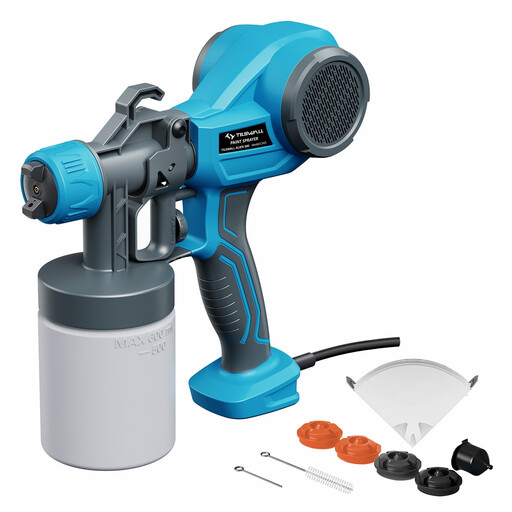
Why it suits this type of user: Weighing just 0.7 kg, this system is designed for smaller projects involving furniture, cupboards, walls and fences, and can be assembled without tools.
Four nozzles and three spray patterns mean you’re not restricted to a single setting. The stated limit of up to 100 DIN-S also makes it easier to assess which materials are suitable.
Weighs 0.7 kg, comes with four nozzles and has a removable water tank for easy cleaning.
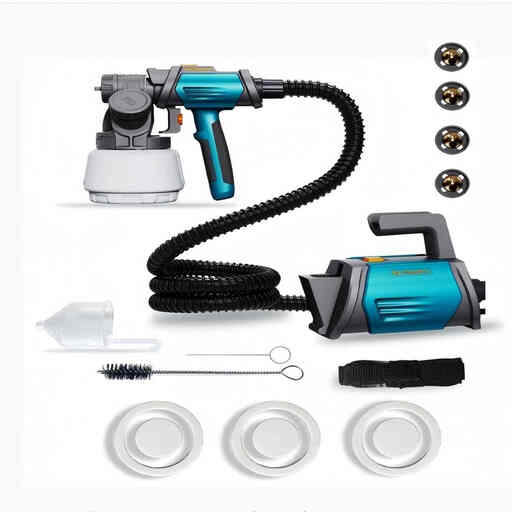
Why it suits this type of user: This 800 W HVLP system combines a 1,300 ml container with four brass nozzles and three spray patterns for surfaces of different sizes.
The specifications list a 120 DIN-S limit, nozzle sizes from 1 to 3 mm, a 2.5 m hose and a 3 m cable, making it easier to check the details before you buy.
Brass nozzles, a 1,300 ml container and side filling, so there’s no need to turn the container upside down.
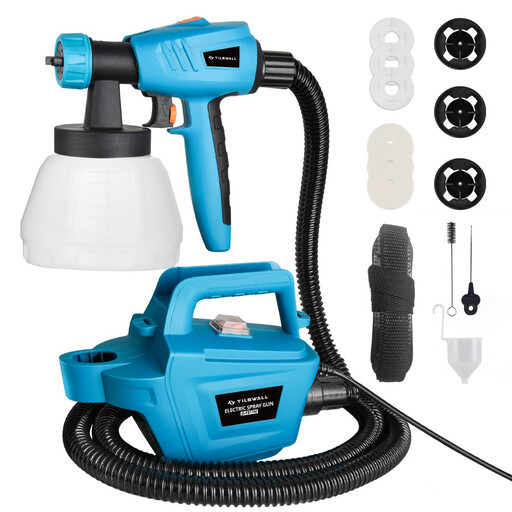
Why it suits this type of user: Designed for indoor and outdoor jobs such as fences, furniture, skirting boards and walls, this system is suitable for several material types.
Three nozzles, three spray patterns and adjustable paint flow give you several options rather than a one-size-fits-all setting. You’ll still need to test it on a spare surface.
Up to 1,100 ml/min according to the product specifications, a 2.5 m air hose and a removable container with a wide opening.
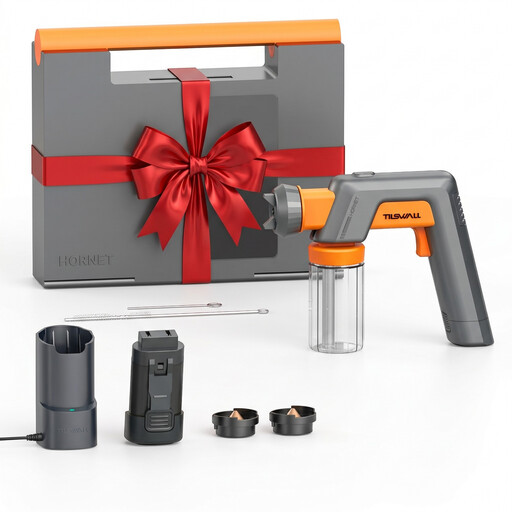
Why it suits this type of user: Weighing 450 g, this cordless sprayer comes with two batteries, three modes and two nozzle sizes, making it suitable for smaller jobs in different locations.
Its stated low weight and battery power mean you’re less reliant on a cable. Before buying, check the battery life, charging time and which materials it can handle.
Cordless operation, a stated product weight of 450 g and two batteries included.
We’ve put together a complete, regularly updated list of products that meet these strict selection criteria and fully comply with the safety regulations in force in the EU.
Before you start spraying, carefully cover the floor, windows, sockets and any surfaces you don’t want to paint. An electric paint sprayer also needs a suitable power supply or charged batteries. Paint consumption depends on the nozzle, flow rate, material and speed of application.
To keep running costs manageable, remember to budget for:
It depends on the paint, the sprayer and its viscosity limit. Always follow the instructions from the paint and sprayer manufacturers. Measuring the viscosity with the supplied cup and testing the spray pattern can help prevent clogs and uneven coverage.
There’s no set lifespan. It depends on how often you use the sprayer, the materials you use, and how well you clean and store it. Emptying and cleaning it thoroughly after every use helps prevent paint from drying in the nozzles and channels.
An HVLP paint sprayer can be used indoors if the material is approved for indoor use and the room is well ventilated. Safety glasses, suitable respiratory protection and gloves are recommended. Spray mist can settle on furniture and other surfaces, so make sure you cover them thoroughly.