Pea soup cooks who put safety first
When pressure-cooking split peas, pay attention to the fill level, pressure release and safe opening. The Instant Pot Duo instructions specifically list split peas as a food that foams.


Choose a multi-cooker with an explicitly stated pressure-cooking function and a fill limit suited to the portion of foaming split peas you plan to cook. In a shared kitchen, you’ll also need to consider where to place it, where the steam escapes and how easy its parts are to clean. Always follow the instructions for the specific model.
When pressure-cooking split peas, pay attention to the fill level, pressure release and safe opening. The Instant Pot Duo instructions specifically list split peas as a food that foams.
If you share worktop and sink space, you’ll need to consider where to put the cooker, where the steam escapes and how to clean it after use. The instructions for each appliance explain where to position it and how to keep its vents clear.
If you’re cooking for housemates or making food to store, compare the usable capacity with the permitted fill level for foaming ingredients. The stated capacity and the permitted recipe quantity aren’t the same thing.
A good fit if: you usually cook smaller portions and have limited worktop or storage space. Compare the external dimensions and the fill guidance for foaming ingredients.
The trade-off: a smaller capacity may mean you need to cook in several batches.
A good fit if: you regularly cook for several people or batch cook, and have enough space to set up the appliance. Compare the stated usable capacity and the fill limit for the specific model.
The trade-off: even with a larger pot, the instructions determine how much foaming pea soup you can put in it.
The approximate figures group consumers in this usage scenario according to their main buying priority.
| Buying priority | What to look for | Who is it particularly important to? |
|---|---|---|
| Safe pressure cooking | Check the fill limit for foaming ingredients, along with the instructions for the valve and opening the cooker in the model’s manual. | When I pressure-cook split peas, I want to follow the instructions precisely for the fill level and pressure release. Consumers who put safe pressure cooking first account for around 33%. |
| Cleaning after cooking | Check which parts are removable and listed as dishwasher-safe in the instructions, and whether suitable replacement sealing rings are available. | When I share a kitchen and sink, I want to be able to clean the pot and removable parts easily after cooking. Consumers who prioritise easy cleaning account for around 27%. |
| Space and steam outlet | Measure the available worktop and storage space, and follow the appliance’s positioning and ventilation instructions. | When space is limited, I want to be able to position the appliance safely without taking up more shared worktop space than necessary. Consumers who care most about space and the steam outlet account for around 20%. |
| Several portions | Compare the stated and usable capacities, as well as the fill mark for foaming ingredients on the specific model. | When I’m cooking for housemates or making food to store, I want to prepare the amount I need without exceeding the permitted fill level. Consumers who prioritise making several portions account for around 20%. |
The usable capacity may be lower than the stated capacity. Foaming ingredients may also have a lower fill limit.
Decide how much to make only after checking the fill mark and the instructions for the specific model.
A replacement sealing ring you need later must fit the specific model.
Pressure multi-cookers with model-specific instructions that are particularly important when making pea soup.
The MD 1000 MeinHans combines pressure cooking with other cooking methods, making it a useful option to compare for pot capacity and ease of use.
The Turbo Cuisine CY754830 is a pressure multi-cooker with dial controls and a stated usable capacity.
The MPC602SBMK is a documented 6-l multi-cooker with a pressure-release function.
These models include electric pressure cookers for smaller quantities and for making several portions. Before cooking, check the instructions for your chosen model, particularly for foaming split peas.
 No image available
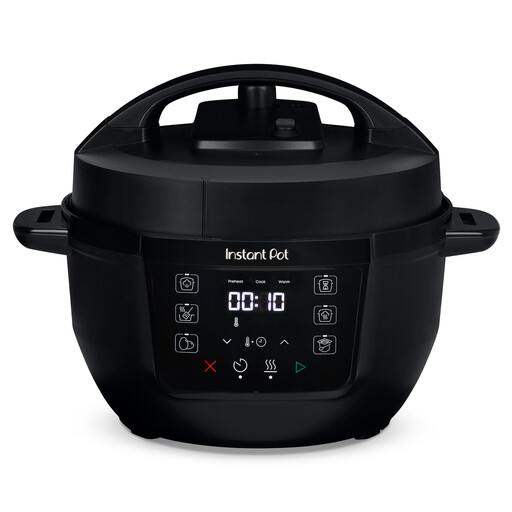
The 3.8-l version is an option for smaller quantities; when cooking split peas, the fill limit for the specific model is key.
Capacity stated in the product name: 3.8 l.
 No image available
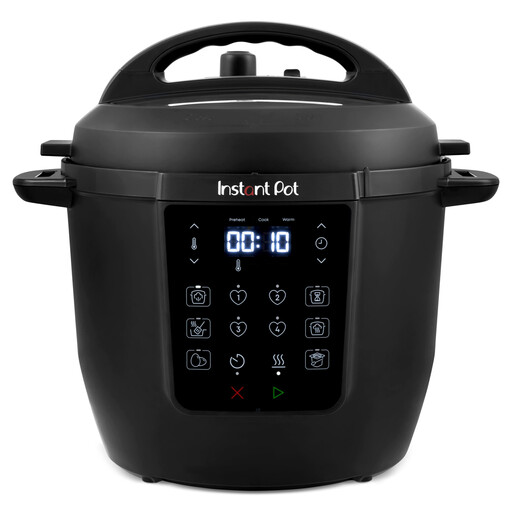
The 5.7-l version could suit several portions; the permitted quantity of pea soup still depends on the instructions.
Capacity stated in the product name: 5.7 l.
 No image available
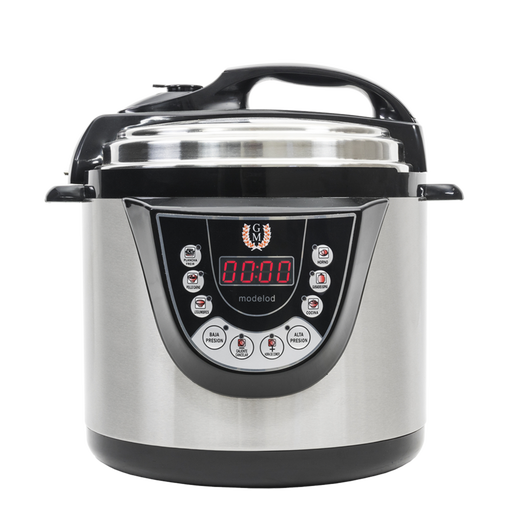
The 6-l version is an option if you’re planning to make several portions; check the manual for the permitted fill level for split peas.
The product name lists a 6-litre capacity, nine cooking programmes and two pressure settings.
Not in the Instant Pot Duo covered by the instructions we consulted: for foaming foods such as split peas, Instant Pot specifies the halfway fill mark. For other appliances, follow their own instructions. The stated capacity doesn’t mean you can fill the pot to the top.
The Instant Pot instructions we consulted require a stable, level, non-combustible surface and clear ventilation openings. Follow the positioning guidance for your specific model and agree on a spot with the other people using the kitchen.
Only open the lid once the pressure has been fully released, and clean the pot, lid, valve and sealing ring according to the model instructions. The Instant Pot Duo instructions say not to force the lid open. Dishwasher-safe parts don’t mean the whole appliance can go in the dishwasher.
Your statutory rights against the seller are separate from any voluntary guarantee. The Verbraucherzentrale explains the difference; the terms of your purchase and guarantee determine how your specific case is handled.
CE marking is relevant for electrical appliances covered by the applicable EU regulations. The Bundesnetzagentur says that checks may include the marking, product identification and German-language instructions with the required warnings. A CE mark alone doesn’t show that every individual appliance has been independently tested.