Cooks short on time for pulled pork
If you want to pressure-cook meat after your weekly shop, the pressure-cooking function, ease of use and pressure-release process all matter.


To make pulled pork after your weekly shop, choose an electric pressure cooker with a dedicated pressure-cooking function and enough usable capacity for the meat and liquid, while staying within the fill limit. Searing in the same pot, easy cleaning and other cooking functions are additional considerations. What matters most is whether you’ll actually use them day to day.
If you want to pressure-cook meat after your weekly shop, the pressure-cooking function, ease of use and pressure-release process all matter.
If you’re cooking a larger piece of pork or batch-cooking, check the usable capacity and fill limit rather than relying on the advertised pot size.
If you use the appliance regularly for other dishes, ease of cleaning and the availability of compatible replacement sealing rings are important considerations.
First, check that the appliance is specifically designed for pressure cooking. Then compare its permitted fill level with the size of your cut of meat, and consider which additional functions and care features you’ll use regularly.
| Buying consideration | What to look for | Who is it important to? |
|---|---|---|
| Pressure cooking and cooking process | A documented pressure-cooking function and instructions for releasing pressure. | If I specifically want to cook pulled pork under pressure, this function matters more than a long list of programmes. Around 40% of shoppers prioritise pressure cooking. |
| Room for meat and portions | Compare the usable capacity and fill markings with the cut of meat and the amount of liquid. Tefal gives the CY7548 a total capacity of 5,0 l and a usable capacity of 3,2 l; Rommelsbacher lists a 6-l pot with a usable capacity of 4 l for the MD 1000. | If I want to cook a larger cut or several portions at once, the permitted fill level needs to be suitable. Around 30% of shoppers prioritise portion size. |
| Cleaning and other cooking methods | Check the cleaning instructions and which parts can be removed. Only prioritise extra functions such as searing or slow cooking if you plan to use them. | If I regularly use the pot for other dishes too, I look for easy care and cooking methods that are genuinely useful. Around 20% of shoppers prioritise care and versatility. |
| Safe operation and spare parts | Read the pressure-release instructions and check whether replacement sealing rings are explicitly listed as compatible with the exact model. | If clear operating instructions and compatible spare parts matter to me, I check both before buying. Around 10% of shoppers prioritise safety and ongoing costs. |
Total capacity and usable capacity can differ. When pressure cooking, you also need to follow the fill limit in the relevant instructions.
Compare the usable capacity and fill markings with the size of your cut of meat and the amount of liquid you’ll need.
An electric slow cooker or an air fryer won’t automatically meet the requirements for making pulled pork under pressure.
Check the model specifications to make sure it has a dedicated pressure-cooking function.
Replacement sealing rings may be made for specific models or product numbers. Warranty terms are not automatically the same as your statutory rights if a product is faulty.
Check the full model name against the compatibility information, and read the warranty terms separately.
The MD 1000 MeinHans combines pressure cooking with other cooking methods. Rommelsbacher lists a 6-l pot with a usable capacity of 4 l for this model.
The Turbo Cuisine CY7548 combines pressure cooking with other cooking methods, including searing and slow cooking.
The Duo range offers electric pressure cooking. The relevant instructions and full model name are important when comparing appliances.
Midea lists the MPC802SAMK as an electric multi-pressure cooker. When planning quantities, the fill markings in the instructions for the specific model are what count.
Krups says the Cook4Me Touch CZ9128 combines pressure cooking with recipe guidance via a touchscreen and Wi-Fi features.
This selection includes electric pressure cookers and multicookers for making pulled pork, with a range of pot sizes and additional functions.
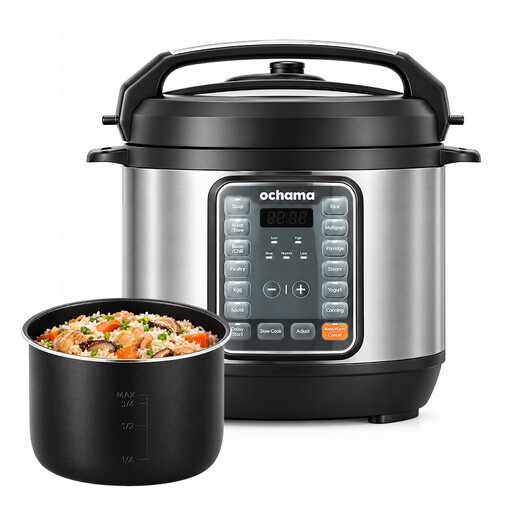 No image available
An option if you want to pressure-cook and use additional cooking methods such as searing or slow cooking.
The product title lists a capacity of 6 l, 1000 W and a ceramic non-stick coating. Keep an eye on the maximum fill line and release all the pressure before opening.
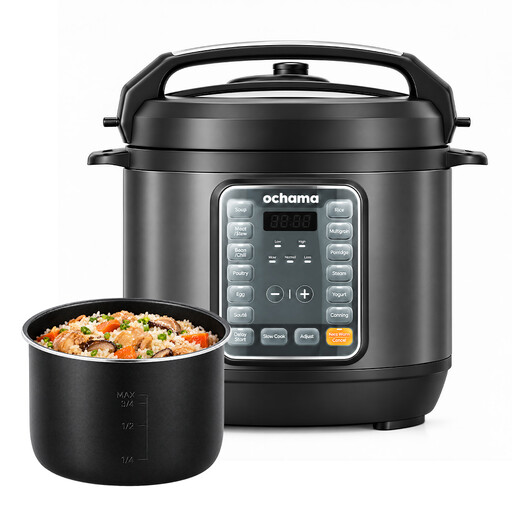 No image available
The larger stated capacity could be useful when planning several portions, as long as the meat and liquid stay within the fill limit.
The product title lists 8 l and 1300 W. All the pressure must be released before opening.
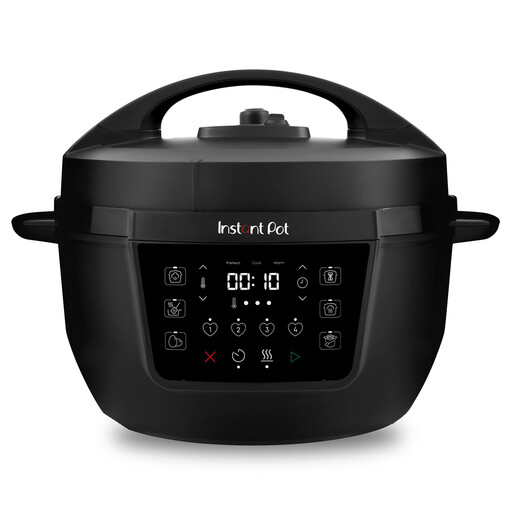 No image available
An option for larger meals if you want to pressure-cook and the stated capacity suits the quantity you’re planning to prepare.
The product description lists a capacity of 7,1 l and up to 8 portions, as well as a dishwasher-safe lid and inner pot.
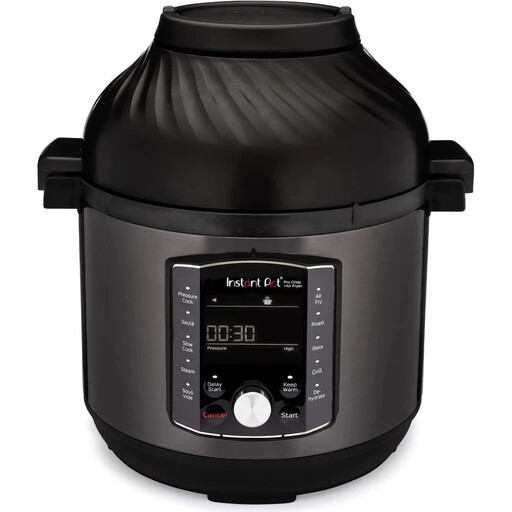 No image available
Worth considering if you want to combine pressure cooking with other functions such as searing or air frying.
The product description lists a capacity of 7,6 l, a pressure-cooker lid and an air-fryer lid.
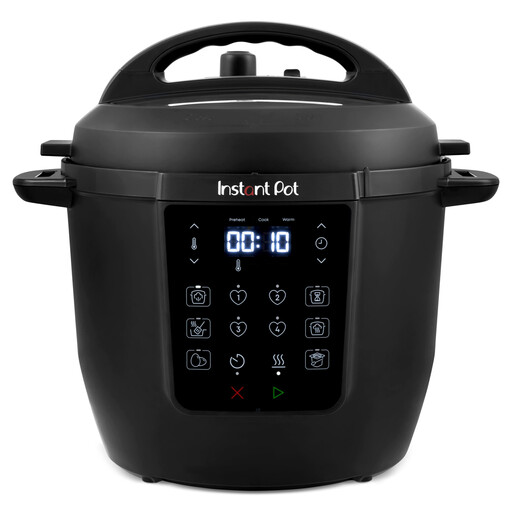 No image available
An option if you want to pressure-cook and the stated capacity of 5,7 l suits the quantity you’re planning to prepare.
The product description lists a steam-release switch and a dishwasher-safe lid and pot.
No, the capacity in litres alone isn’t enough. Tefal gives the CY7548 a total capacity of 5,0 l and a usable capacity of 3,2 l; Rommelsbacher lists a 6-l pot with a usable capacity of 4 l for the MD 1000. Also check the fill markings and the liquid requirements in the instructions for the relevant model.
Only open the lid once the pressure has been fully released, as instructed for your model. The Instant Pot Duo instructions warn against forcing the lid open; the specific operating guidance applies to the Duo models named in those instructions.
If you’re storing hot food for later, cool it quickly to below 7 °C. The German Federal Institute for Risk Assessment recommends storing perishable food in the fridge at 2 °C to no more than 7 °C. When reheating, it recommends reaching at least 70 °C throughout for two minutes.
No. A voluntary manufacturer’s warranty may have its own terms. If a product is faulty, the retailer is generally responsible for your statutory consumer rights. The Verbraucherzentrale says these rights apply for two years from delivery.
It is relevant if the specific appliance is covered by the applicable harmonised EU regulations. The EU lists electrical and electronic equipment among product groups for which CE marking is relevant. The Low Voltage Directive applies to electrical equipment rated from 50 to 1.000 V AC. CE marking is the manufacturer’s declaration of conformity, not an independent quality mark.