
Lieferung heute & morgen

Qualitätsgarantie

Willkommens-Angebote freischalten: KOSTENLOSE Lieferung | Bis zu 80 % RABATT | Kostenlose 30-Tage-JoyPlus-Testphase
App herunterladen
Choosing an electric ride-on car for a child can quickly become overwhelming. The market is flooded with models that look impressive at first glance but prove to be impractical or short-lived upon closer inspection. Many parents and grandparents invest in a vehicle only to find that it no longer meets their needs after just a few months, or that fundamental safety aspects have been overlooked. This guide highlights the most common pitfalls and reveals which technical features are crucial for safe, long-lasting enjoyment.
Before you get swayed by colourful designs and licensed brands, it's important to understand the typical flaws that often only become apparent after the purchase.
To make an informed decision, you should focus on objective, technical criteria. These three aspects are central to the vehicle's longevity, safety, and overall fun.
The battery's voltage is a direct indicator of the vehicle's performance capabilities.
A good kids' electric car is distinguished by thoughtful safety features that go beyond the minimum legal requirements.
Not every vehicle is suitable for every child. The choice should be based primarily on age and motor skills.
Here are some models that represent a considered choice for specific user profiles, based on their technical specifications and intended use.

Why This Fits Their Persona: This balance bike is specially designed for toddlers from one year of age. It playfully promotes balance and coordination without overwhelming the child with complex technology. Ideal for preparing them for a future bicycle.
It bypasses the pitfall of a vehicle that is too large or too complicated. Instead of relying on a battery, it focuses on developing fundamental motor skills, which is more beneficial at this age.
Very lightweight aluminium frame (2 kg), an adjustable seat that grows with the child, and a steering limiter to prevent falls.
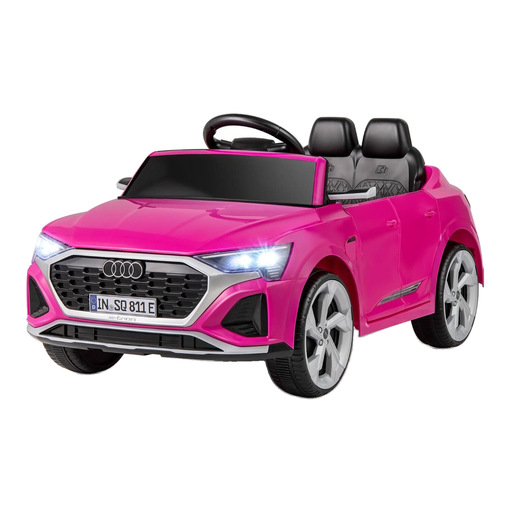
Why This Fits Their Persona: This model combines an attractive design with a comprehensive safety package. The dual driving mode (manual and remote control) gives parents full control while the child gains their first independent driving experience.
It directly addresses the pitfall of inadequate safety. With a remote control, soft-start function, suspension, and a seat belt, all the most important protective mechanisms are integrated.
Solid 12V drive for good performance, two driving modes for flexible control, and realistic details like LED headlights and a horn.
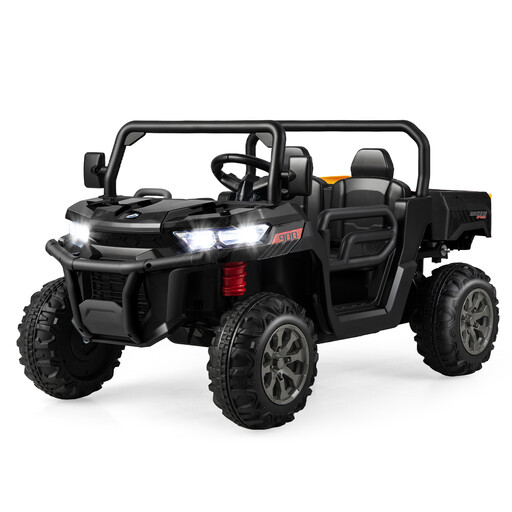
Why This Fits Their Persona: This model is designed as a two-seater electric car, solving the problem of two children wanting to ride at the same time. With a high weight capacity of 50 kg, it's a robust and practical solution for families with siblings of a similar age.
It eliminates the need to buy two separate vehicles. The design is built for the higher load and delivers good performance even when fully occupied, thanks to its dual motor and suspension.
High weight capacity (50 kg) for two children, an automatic dumping bed for added play value, and a 2.4 GHz remote control for parental supervision.
We have compiled a complete, up-to-date list of products that fully meet these strict selection criteria and safety regulations.
The actual battery life of a 12V kids' car depends on several factors, including the child's weight, the surface texture, and the continuity of the ride. On average, you can expect a runtime of 45 to 90 minutes per full charge. Charging time is typically between 8 and 12 hours. It is recommended to fully charge the battery after each use to maximise its lifespan.
No. Electric ride-on cars are legally classified as toys, not as vehicles under road traffic regulations. Their use is permitted exclusively on private property, such as driveways, gardens, or courtyards. Using them on public pavements, cycle paths, or streets is strictly prohibited and dangerous.
Read the assembly instructions carefully before you begin. Check that all screws and connections are tightened securely, especially on the wheels and steering wheel. Ensure the battery terminals are connected correctly before charging the vehicle for the first time. A regular check of all fastenings before each ride is recommended to ensure safety.