
Lieferung heute & morgen

Qualitätsgarantie

Willkommens-Angebote freischalten: KOSTENLOSE Lieferung | Bis zu 80 % RABATT | Kostenlose 30-Tage-JoyPlus-Testphase
App herunterladen
The search for the perfect electric ride-on car for your child can quickly become overwhelming. The market is flooded with models that, at first glance, all promise driving fun and delighted children. However, behind the glossy product photos and grand descriptions often lie critical weaknesses that can quickly end the fun and turn the purchase into a bad investment.
As your Joybuy Product Recommendation Officer, I'm here to help you separate the wheat from the chaff. We'll highlight the most common pitfalls and show you which technical features truly matter, so you can make an informed decision for a safe and durable gift for your child.
Many purchasing decisions are based on marketing promises that don't hold up in practice. Pay special attention to these three points to avoid disappointment:
To avoid the problems mentioned above, you should base your choice on objective technical parameters. These three aspects are crucial for safety and driving enjoyment.
The battery's voltage is a direct indicator of the vehicle's performance.
Safety should always come first. Look for the following features:
The type of tires determines ride comfort, noise level, and where the car can be used.
Based on the criteria above, we have compiled a few models for different needs and age groups.
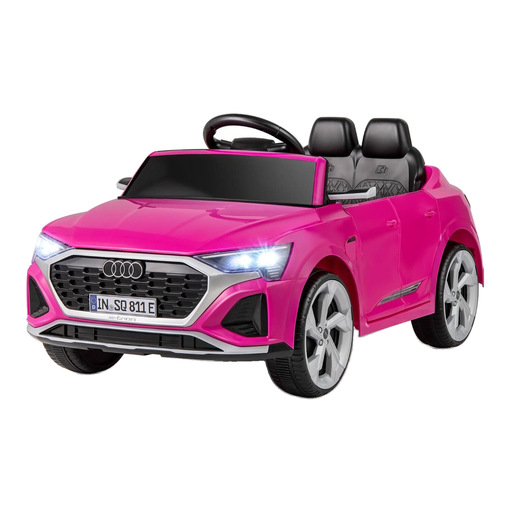
Why it's a great fit: Ideal for children aged 3 and up who are getting their first experience in their own car. The official license guarantees a true-to-life design, while the remote control ensures parents always have full control.
The integrated soft-start function prevents abrupt starts, a common safety flaw in cheaper models.
Parental remote with 3 speed levels and suspension on all four wheels for a safe and comfortable ride.
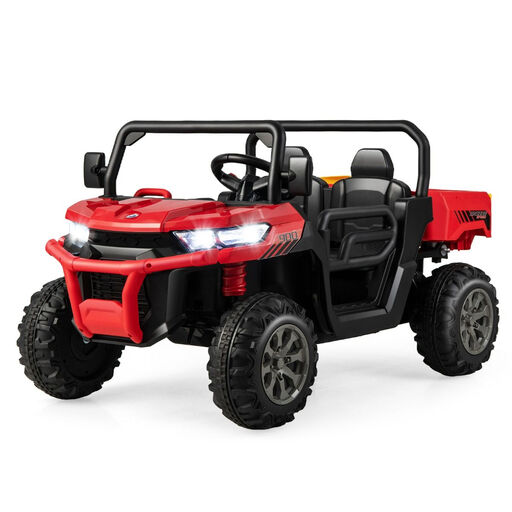
Why it's a great fit: With two seats and a high load capacity of 50 kg, this vehicle is perfect for siblings or playmates. The dump truck design with a tilting cargo bed adds extra play value.
The four wear-resistant wheels are all equipped with suspension. This counteracts the problem of false all-terrain capability and allows for driving on lawns.
Two seats for double the fun and two powerful motors that provide sufficient power even when fully loaded.
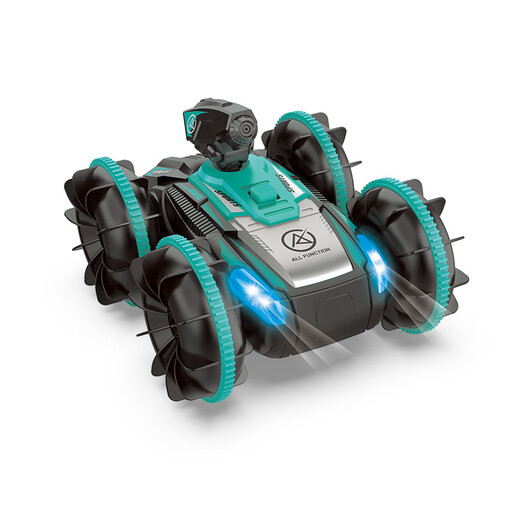
Why it's a great fit: This remote-controlled car is more than just a vehicle. It's an amphibious Stunt Car that can drive on both land and water. The control via a hand gesture watch offers a cutting-edge, interactive play experience.
Instead of vague promises, this RC car delivers a clearly demonstrable special feature: its amphibious capability. The propeller wheels enable it to drive in water, a feature that is easy to verify.
Two control modes (classic remote and gesture watch) and the water-spraying function provide varied and long-lasting fun.
We have compiled a complete, up-to-date list of products that fully meet these strict selection criteria and UK safety regulations.
1. How long does the battery of an electric ride-on car really last? The actual battery life varies depending on the model, the child's weight, the surface, and driving style. A 12V ride-on car with a 4.5 Ah battery typically offers 45-60 minutes of driving time. A 24V electric car with a 7 Ah battery can last up to 90 minutes. Pay attention to the ampere-hour (Ah) rating – the higher the value, the longer the potential driving time.
2. Can I drive an electric kids' car on grass? This heavily depends on the motor power and tires. 12V models with hard plastic tires often struggle on grass. For reliable driving on uneven ground, you should choose a vehicle with at least 12V and two motors (dual-motor drive), EVA tires, and ideally, suspension. A 24V electric car is the more robust choice for regular use on lawns.
3. From what age is a ride-on car with remote control suitable? A ride-on car with remote control is a great option for children as young as 3 years old. At this age, children can often steer independently, but their ability to judge speeds and obstacles is not yet fully developed. The remote control allows parents to intervene or take complete control until the child is confident enough to drive alone.