
Lieferung heute & morgen

Qualitätsgarantie

Willkommens-Angebote freischalten: KOSTENLOSE Lieferung | Bis zu 80 % RABATT | Kostenlose 30-Tage-JoyPlus-Testphase
App herunterladen
Choosing an electric ride-on toy for your child can be as exciting as it is complex. The market is flooded with a vast array of models that make children's eyes light up. But behind the shiny paint and loud horns, there are often pitfalls that can lead to disappointment and unnecessary expense. As your Joybuy Product Recommendation Officer, I'm here to help you identify the crucial features and make an informed choice.
Many offers sound tempting, but not all of them live up to their promises. Pay close attention to these three points to avoid a bad purchase:
To find the right model, you shouldn't be swayed by visual appeal but should instead focus on the technical specifications. These three parameters are crucial for safety, fun, and durability.
The battery's voltage is a direct indicator of the vehicle's performance.
A good electric ride-on vehicle is distinguished by its thoughtful safety features. The following are essential:
Consider how the vehicle will be used. A two-seater ride-on car is a great choice for siblings or if friends often visit. Be sure to pay close attention to the maximum load capacity specified in the data sheet. A limit that is too low will lead to motor overload and rapid wear.
Besides classic cars, there are other types like the electric scooter for kids for older children or a go-kart for kids, which often provides a more direct driving feel.
Here are some models that meet specific requirements and avoid the pitfalls mentioned above.
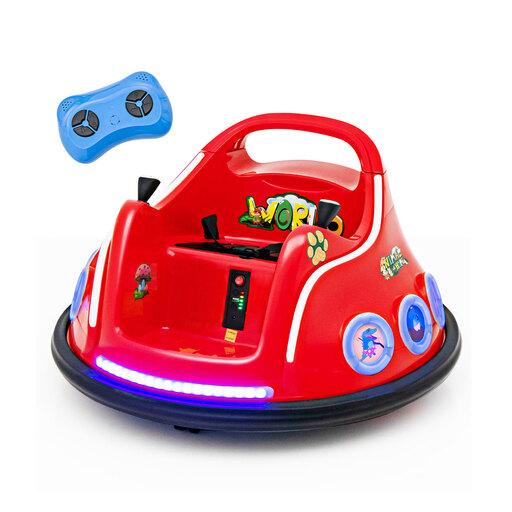
Why it's a great fit: Ideal for toddlers gaining their first driving experience. The 360-degree spin function offers great fun in a small space, like the living room or on the patio. Full control via the remote gives parents maximum peace of mind.
This model addresses the safety pitfall with a comprehensive remote control and a stable, low-to-the-ground design that makes it difficult to tip over and prevents uncontrolled driving.
The 360-degree spin function provides unique driving fun. The integrated soft-start function ensures a smooth, jerk-free start.
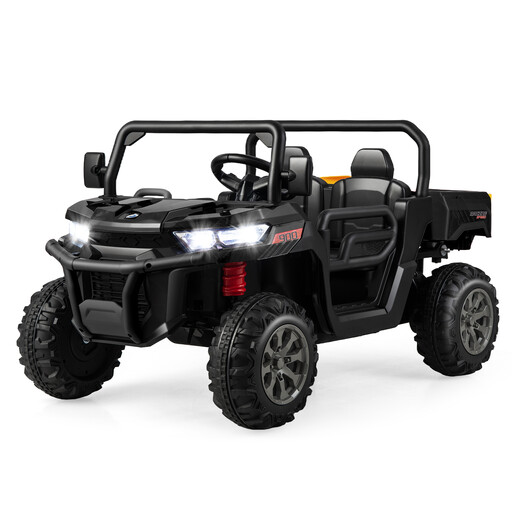
Why it's a great fit: With two seats and a high load capacity of 50 kg, this vehicle is ideal for siblings or playmates. Its dump truck design with a functional tipping bed encourages imaginative play in the garden.
It addresses the pitfall of short-lived construction with a robust frame, a high 50 kg load capacity, and dual motors that provide sufficient power even when fully loaded.
A true two-seater ride-on car with four-wheel suspension for a comfortable ride and an automatic tipping bed for realistic fun.
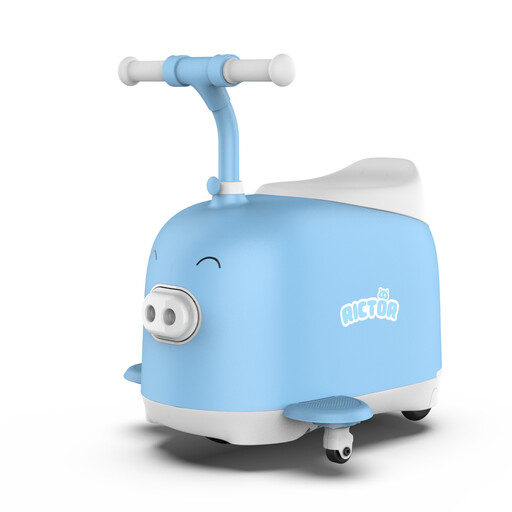
Why it's a great fit: This modern electric scooter for kids is designed for older children (5-12 years). It combines driving fun with practical features like a foldable design and app control for parents to set speed limits.
Instead of unrealistic marketing claims, this model offers concrete, useful technology: The app control gives parents precise control over the three speed settings (5, 10, 15 km/h).
The 5-wheel design ensures high stability against tipping. The vehicle is lightweight and foldable, which makes transport and storage much easier.
We have compiled a complete, up-to-date list of products that fully meet these strict selection criteria and safety regulations.
Most 12V vehicles require a charging time of 8 to 12 hours. To maximise the battery's lifespan, you should avoid fully draining it. The actual runtime is between 45 and 90 minutes, depending on the model, the child's weight, the surface, and driving style. It's best to plan for overnight charging.
No. Legally, these vehicles are classified as toys and not as vehicles under road traffic laws. Their use is permitted exclusively on enclosed private property (e.g., in your own garden, yard, or driveway) under adult supervision. Use on public roads, cycle paths, or pavements is prohibited.
The main difference is performance. A 12V ride-on car is the all-rounder for most situations, offering a safe speed for children aged approximately 3 to 7. A 24V electric car for kids has significantly more power, reaches higher speeds, and is better suited for uneven terrain, inclines, or heavier children. It is generally intended for older children (from around 6 years) and requires more responsible handling.