
Lieferung heute & morgen

Qualitätsgarantie

Willkommens-Angebote freischalten: KOSTENLOSE Lieferung | Bis zu 80 % RABATT | Kostenlose 30-Tage-JoyPlus-Testphase
App herunterladen
An electric screwdriver can save a great deal of time when assembling furniture, carrying out repairs and completing DIY projects. However, models vary considerably in terms of torque, design, bit holder and battery. If you focus only on a high number of bits or a large battery capacity, you may end up buying a tool that is unsuitable for its intended use.
An electric screwdriver set with 50 or more bits may seem versatile. What really matters, however, is whether it includes the profiles you actually need. For electronics, small Phillips, slotted and Torx bits are particularly important. For furniture, larger PH2, PZ2 or hex bits are often used.
You should also check the material. S2 steel and CRV steel are common specifications for durable bits. A wide selection cannot compensate for an imprecise fit: a bit that is too small or worn can damage the screw head.
A high torque rating is not automatically an advantage. A precision screwdriver for smartphones, cameras or laptops requires controlled, low force. By contrast, a cordless screwdriver for furniture or woodworking needs to deliver considerably more torque.
Check whether the manufacturer distinguishes between electric torque, manual torque and maximum torque. These values cannot be compared directly. For delicate screws, a low setting or finishing by hand is advisable.
Capacity in mAh describes the stored electrical charge, but does not automatically indicate the actual working time. The motor, speed, load and charging electronics all affect usage. A compact battery is sufficient for short repairs. For furniture assembly or longer DIY projects, a larger battery or spare battery is more practical.
For electronics repairs, values in the lower range are suitable, provided they can be applied in a controlled manner. According to the product specifications, the Fanttik E1 Max operates with 0.05 and 0.2 Nm of electric torque, up to 3 Nm manually, and at 200 rpm. This makes it more suitable for small screws than drilling work.
For general assembly work, models with several torque settings are a sensible choice. A more powerful cordless screwdriver with bits can also handle furniture fittings, cupboards and light repairs. A cordless drill driver with a chuck is required if you also want to drill holes in wood, metal or other materials.
Compact screwdrivers for electronics often use a 5/32-inch or 4 mm holder. Larger cordless screwdrivers generally use a 1/4-inch hex holder or a keyless chuck. Before buying, check whether your existing bits are compatible.
Practical accessories can make the tool easier to use:
A mini cordless screwdriver is easy to handle and can reach tight spaces. For longer jobs, however, the handle should still feel secure in your hand. A rotating handle can switch between a straight and angled position, making it useful in confined spaces.
Screwdrivers with USB-C charging can often be charged using a suitable power adapter, computer or power bank. Check the stated charging time and only use suitable chargers. For lithium-ion batteries, follow the manufacturer's safety instructions; avoid heat, water and damaged batteries.
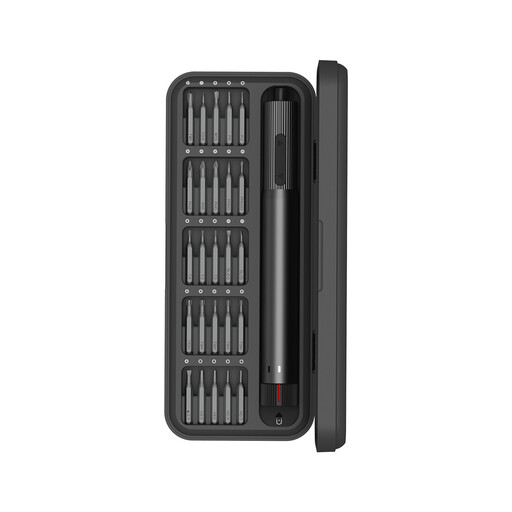
Why this product suits this profile: This compact set is designed for small household jobs, simple assembly tasks and occasional repairs. The 25 included bits cover common applications.
The manageable selection makes it easier to choose the right bit, rather than requiring you to sort through a large collection that may go unused.
Mini and portable design; 25 bits for basic repair and assembly work.
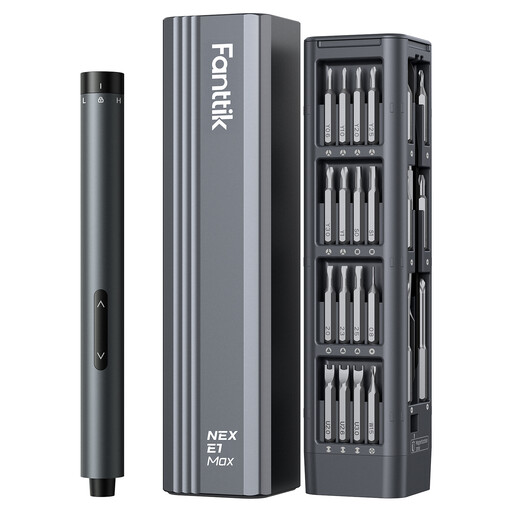
Why this product suits this profile: For electronics enthusiasts and repair professionals, this set offers 50 S2 steel bits, magnetic storage and defined low-torque settings.
The 0.05 and 0.2 Nm specifications make it easier to assess the force applied to small screws. The manual mode is rated at up to 3 Nm.
200 rpm; 50 bits in 12 types; 350-mAh battery and USB-C port according to the product description.
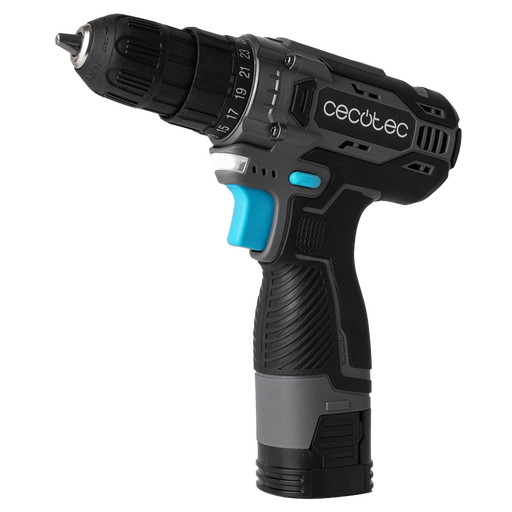
Why this product suits this profile: This model is aimed at users who want to drill as well as drive screws, and therefore need a keyless chuck, two batteries and a more extensive range of accessories.
The two batteries reduce lengthy charging interruptions. With 25+1 torque settings, you can adjust the tool progressively for different materials.
16 V; up to 38 Nm; two speed ranges; 10-mm keyless chuck and LED work light.
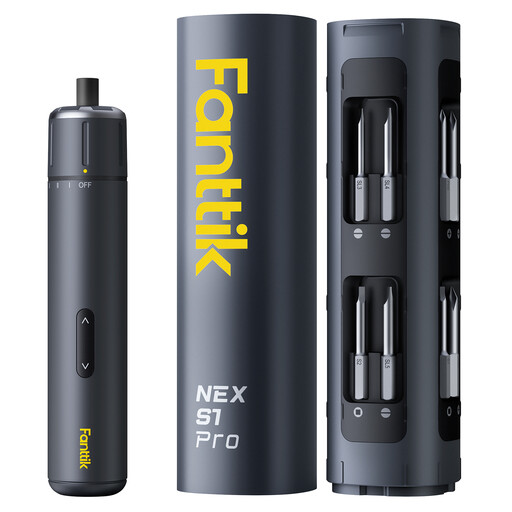
Why this product suits this profile: This screwdriver is designed for assembly and repair work requiring greater force, such as work on furniture, computers or fittings.
Three electric torque settings allow more targeted adjustment. A manual mode is also available for the final turns.
16 S2 steel bits; 2,000-mAh battery; maximum 6 Nm hard torque according to the product description; USB-C port.
We have compiled a complete, regularly updated list of products that fully meet these strict selection criteria and the safety regulations applicable in the EU.
Before working on smartphones, laptops, cameras or other electronic devices, switch the device off and disconnect it from every power source. An electric screwdriver is not intended for work on live electrical installations.
Please also note:
For these tasks, a screwdriver for electronics with small bits, low speed and controlled torque is ideal. A mini cordless screwdriver with a magnetic bit holder can make the job easier. A powerful cordless drill driver is usually unnecessary for delicate electronics.
Runtime depends on battery capacity, motor, load and usage. Product claims such as 60 or 120 minutes often refer to specific test conditions, such as idling or continuous use. For a realistic estimate, check whether the stated figure refers to screwdriving operations or idle running.
USB-C charging is convenient if you already use compatible chargers or power banks. Charging time, battery capacity and the specific compatibility of the cable remain important. For occasional repairs, a USB-C model may be sufficient; for longer jobs, replaceable batteries or a spare battery are more practical.