
Lieferung heute & morgen

Qualitätsgarantie

Willkommens-Angebote freischalten: KOSTENLOSE Lieferung | Bis zu 80 % RABATT | Kostenlose 30-Tage-JoyPlus-Testphase
App herunterladen
By Joybuy Product Recommendation Officer, July 28, 2026
An electric height-adjustable desk, often called a sit-stand desk, has become a cornerstone of the modern home office. The ability to seamlessly switch between sitting and standing can boost concentration and contribute to better posture. However, the market is flooded with models whose quality differences are hard to spot at first glance. Many buyers only realize after a few months that their new piece of furniture doesn't offer the stability or functionality they had hoped for.
This guide is designed to help you avoid the common pitfalls. We'll focus on the objective criteria that separate a great standing desk from a subpar one, so you can make an informed decision for your workspace.
Before diving into the benefits, it's important to know the most common flaws that often only become apparent with daily use.
To avoid the problems mentioned above, you should carefully examine three core aspects before buying. These largely determine the functionality and longevity of your new workspace.
The foundation of a solid ergonomic desk is its frame. Look for models with a frame made of solid steel. The design of the legs, often a T-frame or C-frame, also plays a role in stability. A wider base ensures better weight distribution and reduces wobbling at standing height.
The desktop should be at least 1.8 cm thick to prevent it from bowing under load. A common and practical size for a home office is a 120x60 cm desk. This dimension offers enough space for a monitor and a laptop without overwhelming the room.
A high-quality electric standing desk is characterized by a quiet and smooth-running motor. Models with dual motors (one per leg) generally offer a more even, faster, and quieter height adjustment than those with a single motor that drives both legs via a driveshaft.
A key convenience feature is a desk with a memory function. This allows you to save your ideal sitting and standing heights and recall them at the touch of a button. It saves you from readjusting daily and encourages more frequent posture changes.
The adjustment range should suit your height. Standard models typically cover a range from about 70 cm to 120 cm. Taller individuals should check if the maximum height is sufficient for an ergonomic standing position.
Modern systems also feature an anti-collision system. Sensors stop the desk's movement if they detect an obstacle, such as a chair or a rolling cabinet. This protects both your furniture and the motor from damage.
Based on the criteria above, we have identified some products that are suitable for different needs and work styles.
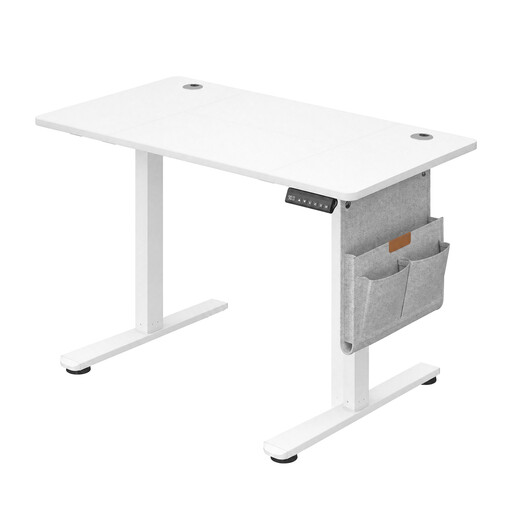
Why This Fits Their Persona: Ideal for users looking for a functional and reliable entry into the world of ergonomic desks. The clean, white design fits into almost any home office and offers all core functions without unnecessary frills.
The solid steel frame provides the necessary stability, even at full height. The motor is designed for quiet operation, and the 70 kg dynamic load capacity is sufficient for common setups.
Four memory presets allow for quick switching between custom heights. Integrated cable grommets and a hook help keep things tidy.
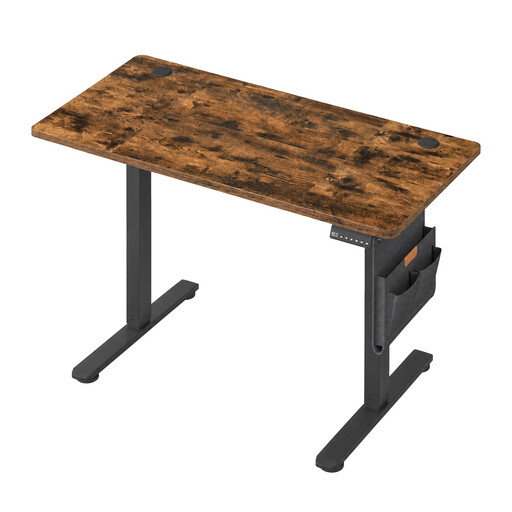
Why This Fits Their Persona: For users who want their workspace to blend harmoniously into their living area. The rustic brown wood-look desktop gives this functional piece of furniture a warm, home-like aesthetic.
This model proves that design doesn't have to come at the expense of functionality. It uses the same sturdy steel construction and quiet motor as more functional variants, thus avoiding the pitfalls of instability and noise.
The combination of modern technology and a home-friendly look. A side-mounted fabric pouch offers additional, discreet storage for notebooks or tablets.
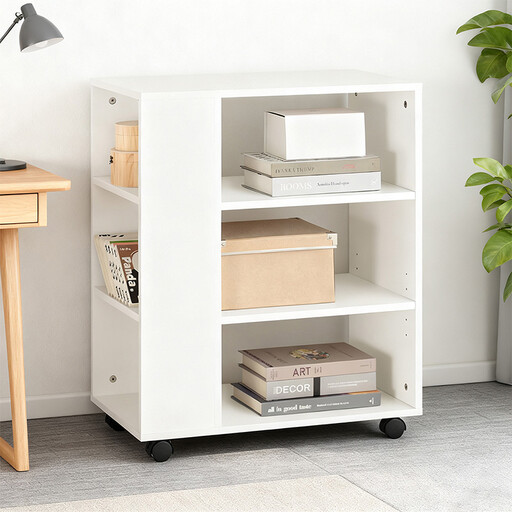
Why This Fits Their Persona: For users who already own a desk but struggle with clutter and a lack of space. This rolling cabinet creates flexible storage and can hold a printer, documents, and office supplies to keep the work surface clear.
It addresses the pitfall of buying a completely new desk when the real problem is organization. It complements an existing sit-stand desk without restricting its flexibility with a rigid under-desk structure.
High mobility thanks to 360° swivel casters with locking brakes. The shelves are partially height-adjustable, allowing for customized adaptation to storage needs.
We have compiled a complete, up-to-date list of products that fully meet these strict selection criteria and safety standards.
Stability primarily depends on the frame. Check the material (steel is a good choice), the weight of the frame (heavier is often more stable), and the construction of the feet. A wide base and a solid connection between the legs and the desktop are crucial to minimize wobble at maximum height.
A memory function is extremely practical. It allows you to return to your preset, ergonomically correct sitting and standing heights with the single press of a button. This encourages regular use of the standing feature, as the convenience is a significant improvement over manual adjustment.
Pay attention to the dynamic load capacity, not just the static one. A dynamic load capacity of 70 kg is sufficient for most home office setups with one or two monitors, a laptop, and accessories. Models for more demanding applications often offer 100 kg or more. Check this specification in the product details to ensure the motor won't be overloaded.