
Lieferung heute & morgen

Qualitätsgarantie

Willkommens-Angebote freischalten: KOSTENLOSE Lieferung | Bis zu 80 % RABATT | Kostenlose 30-Tage-JoyPlus-Testphase
App herunterladen
Choosing a new electric toothbrush can be overwhelming given the abundance of models, technologies, and marketing promises. Many devices advertise features with questionable practical benefits, while essential quality characteristics are often hidden in the fine print. This guide will help you separate the wheat from the chaff and make an informed decision tailored to your actual needs.
As your Joybuy Product Recommendation Officer, I have analysed the most common pitfalls to help you avoid a bad investment.
To find the right model, you should focus on three core parameters that directly impact daily use and long-term oral health.
The fundamental operating principle significantly determines the brushing sensation and cleaning performance.
Applying too much pressure while brushing is a leading cause of gum recession and enamel damage. An electric toothbrush with pressure control is therefore not a luxury feature, but an essential component for long-term dental health. Modern systems warn you in different ways:
Models like the Oral-B iO series even offer a tri-colour indicator that signals not only too much pressure (red) but also the optimal pressure (green).
A good rechargeable toothbrush shouldn't let you down. Pay attention to the battery technology and runtime.
Instead of making a one-size-fits-all recommendation, we have selected models that cater to specific user profiles and their requirements.
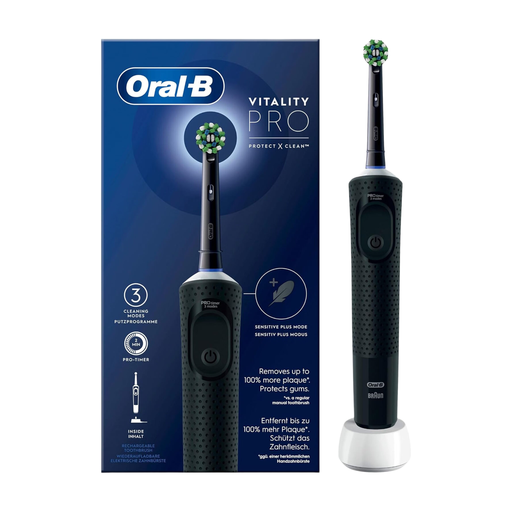
Why this model is a great fit: Ideal for anyone switching from a manual toothbrush and looking for effective, straightforward cleaning. It offers the most important features without unnecessary frills, making it an economically sound choice for improved daily oral hygiene.
This model focuses on core performance—cleaning. It deliberately omits expensive smart features and app connectivity, whose benefits are often minimal for beginners.
Offers three brushing modes, including a Sensitive Plus mode for delicate areas, as well as a built-in 2-minute timer—essential features for a correct brushing routine.
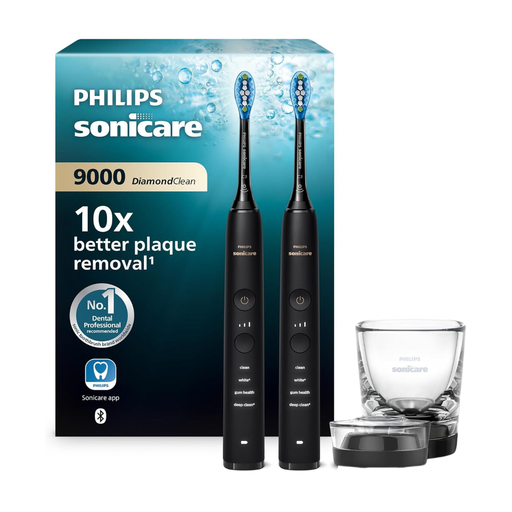
Why this model is a great fit: The combination of gentle sonic technology and precise pressure control makes this model the top choice for individuals with sensitive gums. The app connectivity provides useful feedback on pressure distribution and helps to permanently improve brushing technique.
Sonic technology is often perceived as gentler than oscillating-rotating systems. The integrated pressure control actively prevents brushing damage, making the choice of technology a conscious decision for gum health.
Four brushing programs (including Gum Health) and three intensity levels allow for precise customisation to individual needs. The elegant charging glass is also a functional design element in the bathroom.
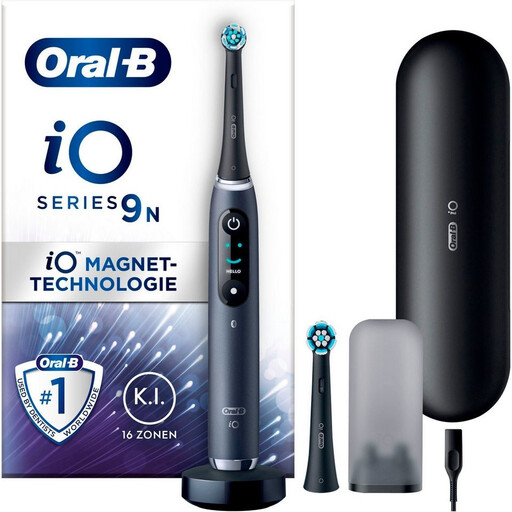
Why this model is a great fit: For users who want to optimise their oral care through technology. This smart toothbrush offers a complete analysis of the brushing process with AI position detection and 3D tracking. The interactive colour display provides direct feedback, making app use optional.
The "smart" features here are not a gimmick, but a core part of the system. The AI analysis offers a tangible benefit for anyone willing to engage with and systematically improve their brushing technique.
The revolutionary Oral-B iO magnetic technology ensures a quiet, gentle, and yet extremely thorough cleaning. Seven brushing modes cover every conceivable need, from tongue cleaning to intensive cleaning.
We have compiled a complete, up-to-date list of products that fully meet these strict selection criteria and all relevant safety regulations.
Most manufacturers, including Oral-B and Philips, recommend changing the brush head every three months. Many modern brush heads feature indicator bristles that fade in colour to signal the optimal time for a change. Some smart toothbrushes also provide reminders via an app or display when a replacement is due. Regular replacement is crucial for hygienic and effective cleaning performance.
Yes, absolutely. Many models are specifically designed for this purpose. Look for a toothbrush for sensitive gums with a dedicated sensitive mode and a reliable pressure sensor. Sonic toothbrushes like the Philips Sonicare are often considered particularly gentle due to their smooth vibrations. Oscillating-rotating models like the Oral-B iO also offer special sensitive brush heads and programs.
The main difference lies in the movement of the brush head. Oscillating-rotating toothbrushes (mostly Oral-B) have a round head that rotates back and forth quickly and also pulsates to mechanically loosen plaque. A sonic toothbrush (mostly Philips Sonicare) has an elongated head that vibrates at a very high frequency, driving fluid between the teeth. The choice is often a personal preference regarding the brushing sensation, with sonic technology frequently considered gentler.