
Lieferung heute & morgen

Qualitätsgarantie

Willkommens-Angebote freischalten: KOSTENLOSE Lieferung | Bis zu 80 % RABATT | Kostenlose 30-Tage-JoyPlus-Testphase
App herunterladen
An electric toothbrush can help you establish a daily oral care routine, but it doesn’t replace good brushing technique or regular dental check-ups. There’s a wide choice available, from a basic rechargeable toothbrush to a smart toothbrush with a display, app and brushing guidance. The real differences often lie less in the marketing claims and more in the specific features.
If you focus only on the stated number of brush movements or the number of cleaning modes, you may overlook important ongoing costs and safety details. These three issues are among the most common causes of disappointing purchases:
A sonic toothbrush uses rapid movements from an elongated brush head. Based on the product information provided, models from Philips Sonicare, usmile, BAIR CARE and SAKYPRORAL fall into this category. Oral-B iO, on the other hand, has a round brush head that combines oscillating and vibrating movements.
The design comes down to personal preference and how you like to brush. A small, round head can target individual tooth surfaces, while an elongated head often covers several teeth at once. The key is to guide the brush head slowly and avoid scrubbing with too much pressure.
Ideally, a toothbrush with a timer should divide brushing time into sections. For example, several products signal every 30 seconds when it’s time to move to another part of your mouth. Depending on the model, the total brushing time is two or three minutes. Follow the manufacturer’s guidance rather than assuming that everyone needs to brush for longer.
A pressure sensor can use vibration, a light or a display to warn you when you’re pressing too hard. This is particularly useful if you tend to apply a lot of pressure when brushing. However, a sensor can’t prevent every instance of incorrect use. If you have persistent discomfort or bleeding gums, stop using the toothbrush and seek advice from a dentist.
An electric toothbrush with long battery life is handy if you travel frequently. In this selection, stated battery life ranges from up to 14 or 21 days to several months. These figures are based on the manufacturers’ stated usage conditions and depend on factors such as brushing time, frequency and the selected intensity.
A travel case protects the brush head and makes the toothbrush easier to carry. Before putting your toothbrush in its case, let the brush head dry completely. Keep chargers and connectors away from water. If you’re buying a USB model, also check whether a power adapter is included or needs to be purchased separately.
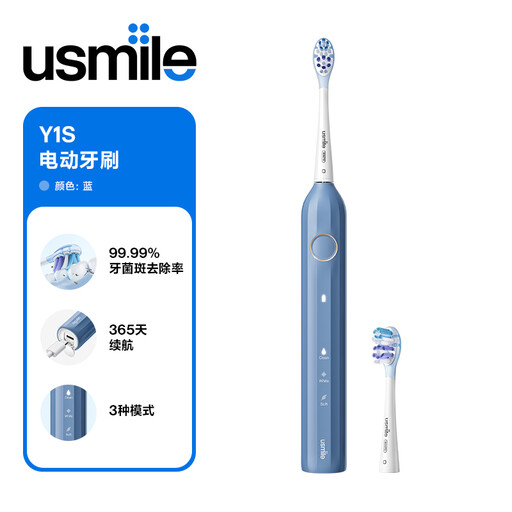
Why this product suits this profile: This sonic toothbrush has three cleaning modes, a smart timer and a travel case. According to the product information, one charge lasts up to six months with the stated pattern of use.
The essential features are clearly listed. Even so, check which replacement brush heads are available before buying.
Three modes, a timer, rechargeable operation and a travel case.
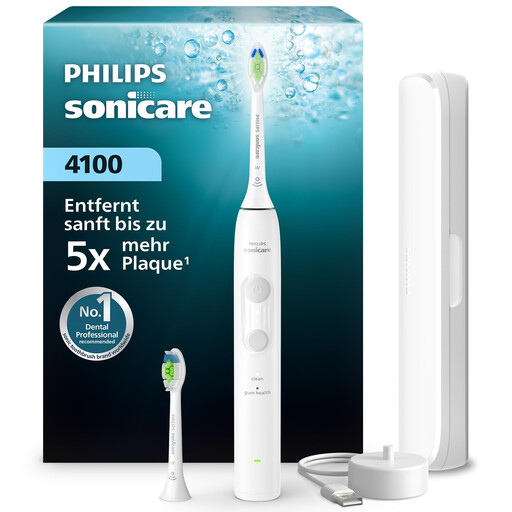
Why this product suits this profile: This electric toothbrush for adults combines four settings with a tactile pressure sensor, a timer and two W2 brush heads.
Battery life is stated as up to 21 days. Two brush heads and a travel case are also included in the product information.
Four settings, a pressure sensor, two brush heads and up to 21 days of battery life according to the product information.
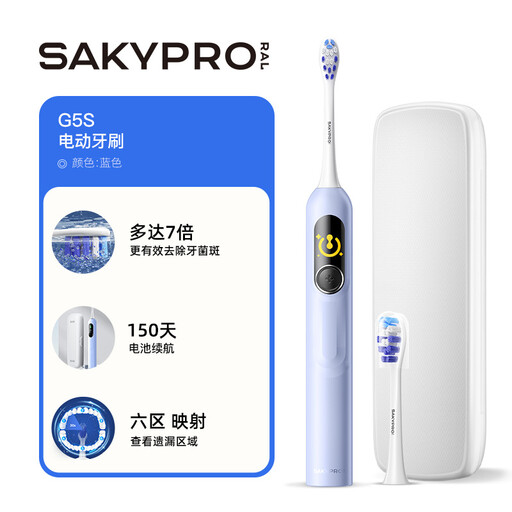
Why this product suits this profile: An LED display with a real-time brushing map, five modes, USB-C charging and a travel case make this a good choice for anyone who wants to track their brushing routine digitally.
The long battery life is stated for use twice a day. Make sure the USB-C port is completely dry before charging.
Five modes, a display with a brushing map, an IPX7 rating and up to 150 days of battery life according to the product description.
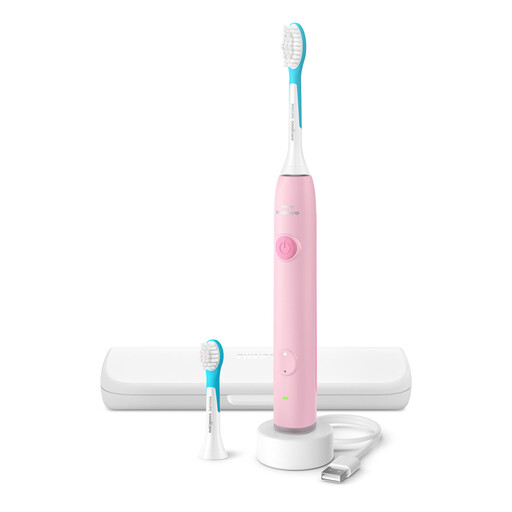
Why this product suits this profile: According to the product information, this electric toothbrush for children is suitable from the age of three. It has two gentle programmes, a timer, app connectivity and a travel case.
The recommended age, small brush heads and two gentle settings are clearly specified. Children should be supervised while using it.
Two children’s programmes, app connectivity, two brush head sizes and up to 21 days of battery life according to the manufacturer.
We’ve put together a complete, regularly updated list of products that meet these strict selection criteria and the safety requirements in force in the EU.
Its lifespan depends on the battery, charging electronics, seals, brush head and how well it is cared for. There’s no set lifespan that can be guaranteed for every model. Keep the charging area dry, clean the toothbrush regularly and replace worn brush heads in good time.
The main ongoing cost, besides electricity, is replacement brush heads. Before buying, compare their cost with the number of heads included and how often the manufacturer recommends changing them. If the model has an app, you may also want to consider data privacy and compatibility.
That depends on the recommended age, brush head size and intended intensity. An app can help children build a routine, but it doesn’t replace adult supervision. Keep small parts such as brush heads out of reach of children under three.