
Lieferung heute & morgen

Qualitätsgarantie

Willkommens-Angebote freischalten: KOSTENLOSE Lieferung | Bis zu 80 % RABATT | Kostenlose 30-Tage-JoyPlus-Testphase
App herunterladen
An electric toothbrush can help you build a consistent oral care routine, but it won’t automatically suit everyone. Models vary considerably, from sonic toothbrushes and magnetic technology to multiple cleaning modes and long battery life. The most important thing isn’t the biggest number on the packaging, but finding the right combination of brush head, manageable pressure and practical everyday use.
Manufacturers often quote high numbers for brush head movements or vibrations. These figures are just one technical specification. The shape of the brush head, bristle firmness, ease of use and ability to control pressure matter just as much. A high-frequency sonic toothbrush may feel unfamiliar, while the round brush head used by Oral-B iO models requires a different brushing technique.
A toothbrush with several cleaning modes can be useful if you actually switch between options such as ‘Sensitive’, ‘Clean’ or ‘Whitening’. For many people, though, a well-designed standard programme with different intensity settings is enough. If you don’t need the extra modes, they mainly add complexity and often increase the purchase price.
A rechargeable toothbrush should work well beyond the bathroom. If you travel often, look for a travel case, USB charging or a charging case. Check how many brush heads are included, too, and which replacement heads you’ll need later. A low purchase price may be less appealing in the long run if replacement heads are expensive and need to be bought regularly.
A pressure sensor alerts you if you press too hard while brushing. This is particularly useful if you tend to brush too vigorously or have sensitive gums. Depending on the model, you may get feedback through vibration, a light or a display. A sensor is no substitute for gentle brushing or advice from your dentist.
A timer helps you brush for a consistent amount of time. Useful features include a prompt every 30 seconds to move to another section of your mouth, and a two-minute timer. Some models run for three minutes. What matters is that the timer is easy to understand and use in your daily routine.
A sonic toothbrush uses a long brush head that moves at a high frequency. Round heads, such as those used by Oral-B iO models, are guided from tooth to tooth. Each design calls for a different brushing technique.
Look for:
Claims about plaque removal or whiter teeth should be treated as manufacturer claims. According to a clinical study by happybrush, the relevant claim relates to the specific product and the stated study conditions. It should not be taken as evidence of a general effect for every electric toothbrush.
A toothbrush with long battery life is particularly convenient if you use it frequently or travel. Manufacturers’ figures usually depend on how often and how long you brush, and which programme you select. Models with two to three weeks of battery life are suitable for everyday use at home. If a device is said to last several months, check the charging accessories and availability of replacement parts as well as the battery-life claim.
Also make sure you keep the charging base dry. The handle may be water-resistant, but the charging base, USB port or charging case may not be designed to come into contact with water.
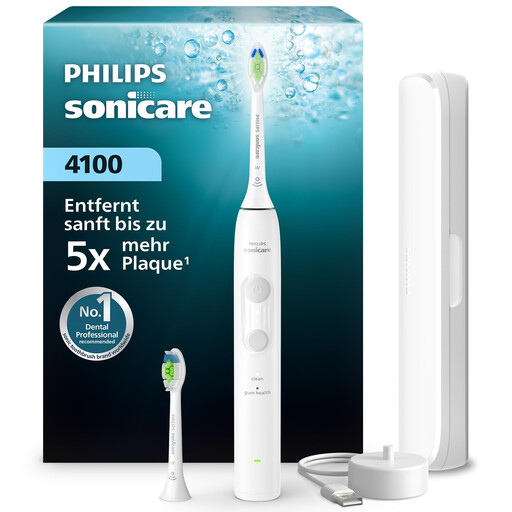
Why this product suits this profile: This sonic toothbrush combines straightforward controls with four settings, a pressure sensor, a timer and a travel case. It’s aimed at adults looking to switch from a manual toothbrush without needing lots of app features.
The focus is on pressure control and timing, rather than an overloaded feature set.
Four settings, tactile pressure sensor, two-minute timer, up to 21 days of battery life according to the product details, and a travel case.
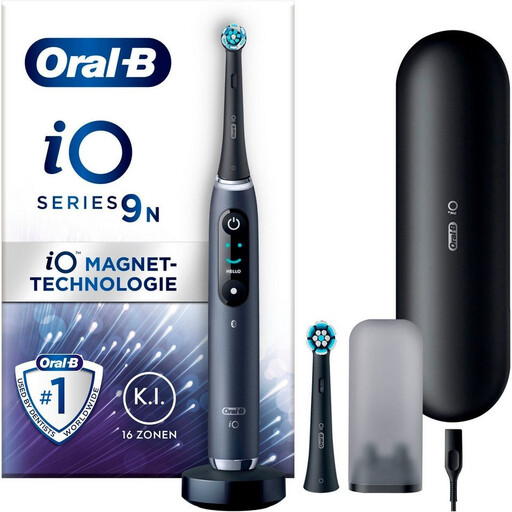
Why this product suits this profile: This model offers seven cleaning modes, a colour display, a pressure sensor, app connectivity and a charging travel case. It’s a good fit if you want to actively incorporate digital feedback into your routine.
The features are clearly listed: modes, pressure alerts, display and app use are all easy to assess before you buy.
Seven modes, multicolour pressure sensor, app feedback and two brush heads with a charging travel case, according to the product description.
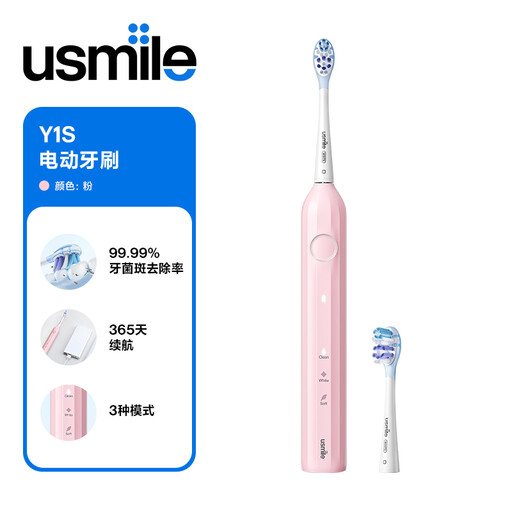
Why this product suits this profile: Three cleaning modes, a smart timer, a travel case and a claimed battery life of up to six months make this a tempting option for frequent travellers and anyone who’d rather charge less often.
The long battery life is a manufacturer’s claim, so consider your own usage and charging conditions when assessing it.
Three modes, smart timer, travel case and a very long stated battery life.
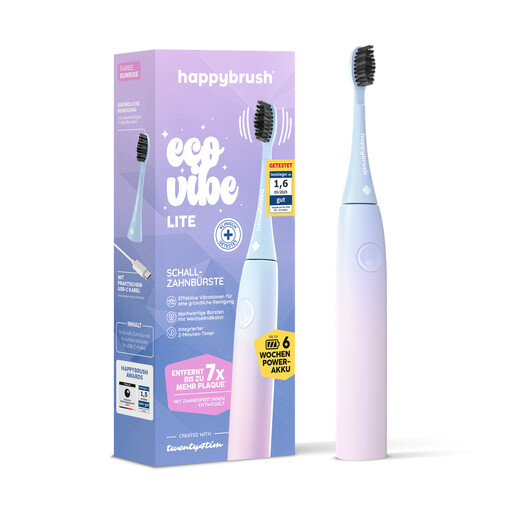
Why this product suits this profile: This slim model has one cleaning mode, a two-minute timer, a USB-C charging cable and a stated battery life of up to six weeks.
The feature set is simple and easy to navigate, so you’re not paying for modes or app features you won’t use.
USB-C charging cable, travel-friendly size, built-in timer, soft bristles and up to six weeks of battery life according to the manufacturer.
Rinse the brush head after every use and leave it to dry. Keep the charging base out of water. Don’t share brush heads, and replace yours as recommended by the manufacturer or sooner if the bristles become frayed.
If you have persistent bleeding gums, pain or discomfort, stop using the toothbrush and seek advice from your dentist. If you’ve had oral surgery or have particular health conditions, check which toothbrush is suitable for you before buying.
There are three things to consider when working out the total cost: the purchase price, replacement heads and charging accessories. A twin pack may suit couples or families, while a single model with a standard USB-C connection may be more convenient when travelling.
We’ve put together a complete, regularly updated list of products that meet these strict selection criteria and fully comply with the safety regulations in force in the EU.
Its lifespan depends on the battery, motor, care and availability of replacement parts. You should replace the brush head regularly. Stop using the device if the battery performance deteriorates or the casing is damaged.
That depends on your individual comfort and the intensity you choose. Soft bristles, a sensitive mode and a toothbrush with a pressure sensor may help. If you already have gum problems, ask your dental practice for advice on choosing a toothbrush.
The charger’s electricity use is usually low in everyday use. Replacement brush heads are a more significant ongoing cost. Before you buy, check their price, availability and recommended replacement interval.