
Lieferung heute & morgen

Qualitätsgarantie
App herunterladen
Kategorien
Choosing an electric toothbrush involves analysing technical specifications and your personal oral hygiene needs. Unlike manual brushing, electric models deliver consistent motion and brushing time, which helps ensure reliable cleaning results. The main differences between models are their cleaning technology, available brushing modes, and battery life. This guide breaks down the key parameters to help you make an informed decision.
By the Joybuy Product Recommendation Officer
Selecting the right model depends on weighing various technical criteria. The following points define the performance and scope of application for an electric toothbrush.
The systems established on the market can be divided into two main categories:
Some newer models combine both technologies, pairing vibration with an oscillating motion.
Modern electric toothbrushes offer various modes for specific needs. Standard modes include:
A long battery life is a crucial criterion, especially for use as a travel toothbrush. The capacity is often specified in days or weeks, based on two minutes of use twice daily. Modern devices increasingly rely on lithium-ion batteries and offer flexible charging options like USB-C, which increases compatibility with existing power adapters.
Based on an analysis of technical specifications and feature sets, we present three models with different focuses.
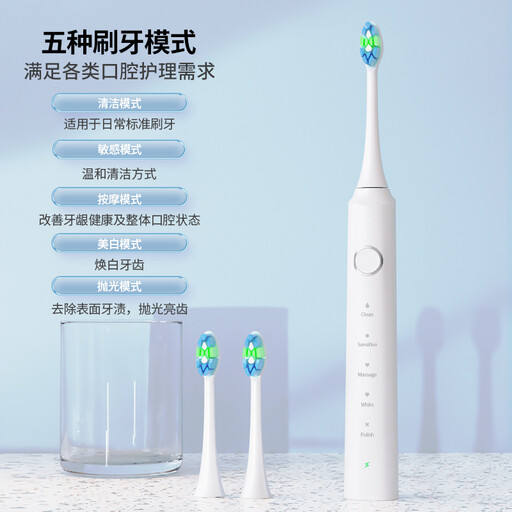
Why We Recommend This Product The Rushi R-C32 is a sonic toothbrush that delivers a high cleaning frequency with 38,400 vibrations per minute. It combines essential features like five brushing modes and a smart timer in a functional design. The copper-free brush head with high-density bristles is a notable detail aimed at material integrity.
Pros
Who It's For This model is suitable for users looking for a feature-rich sonic toothbrush with a solid technical foundation. The variety of modes makes it appealing for both beginners and users with specific needs like teeth whitening or gum care.
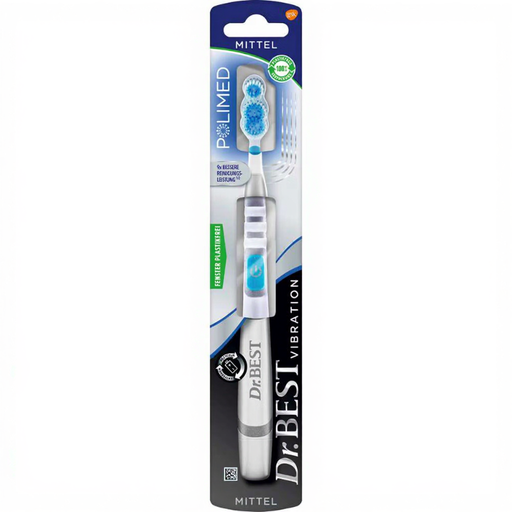
Why We Recommend This Product The Dr.BEST Vibrating Toothbrush represents a hybrid solution between a manual and an electric model. With 20,000 vibrations per minute, it supports the manual brushing motion without the complexity of a full-fledged electric toothbrush. Its operation via a replaceable AAA battery makes it independent of charging stations.
Pros
Who It's For This model is ideal for beginners who want to test the benefits of a vibrating toothbrush without immediately investing in a rechargeable system. It is also a practical option for travellers or as a secondary toothbrush.
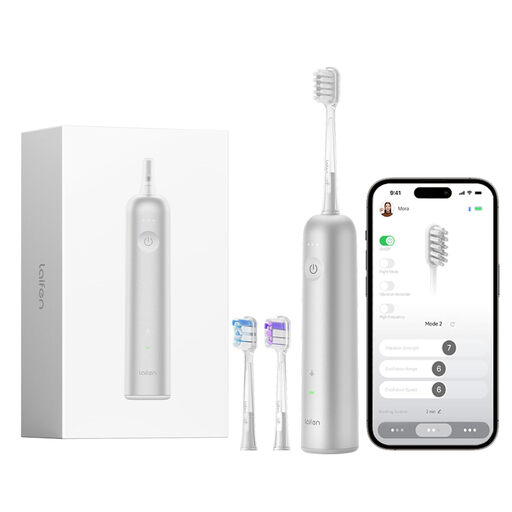
Why We Recommend This Product The Laifen Wave combines a high vibration frequency (up to 66,000/min) with a wide 60° oscillating motion. This dual-action technology is designed to adapt the Bass brushing technique. The seamless aluminium body and customisation via an app set this model apart in the premium segment. A patented servo system is intended to ensure consistent brushing power.
Pros
Who It's For This device is aimed at tech-savvy users who want maximum control over their oral care routine. The ability to individually adjust all parameters via app control, along with its high-quality construction and dual-cleaning technology, positions it for discerning users.
The selection presented here represents various technological approaches and price points. For a more comprehensive overview and to compare other models, you can find a wider range of products in our main category. Discover the best toothbrush for you in our assortment.
1. What is the fundamental difference between a sonic and an oscillating toothbrush? An oscillating toothbrush uses a small, round head that rotates back and forth rapidly to mechanically remove plaque. A sonic toothbrush uses an elongated brush head that vibrates at a high frequency, creating a hydrodynamic effect that sets fluids in motion in addition to mechanical cleaning.
2. How often should the brush head of an electric toothbrush be replaced? Most manufacturers recommend replacing the brush head every three months. Worn bristles lose their cleaning effectiveness and can potentially damage the gums. Some brush heads feature indicator bristles that fade to show the optimal time for a replacement.