
Lieferung heute & morgen

Qualitätsgarantie

Willkommens-Angebote freischalten: KOSTENLOSE Lieferung | Bis zu 80 % RABATT | Kostenlose 30-Tage-JoyPlus-Testphase
App herunterladen
Choosing a new electric toothbrush can quickly become overwhelming, given the vast array of models, technologies, and price points. Manufacturers advertise ever-newer features, but not every innovation adds real value to your daily oral hygiene. As your Joybuy Product Recommendation Officer, I'm here to help you separate the wheat from the chaff and make an informed decision. In this guide, we'll highlight common purchasing traps and the crucial criteria that truly matter.
Before we turn to recommended models, it's important to know the typical stumbling blocks that often lead to disappointment and unnecessary expense.
To avoid a bad purchase, focus on the following three core aspects. They are the primary determinants of cleaning performance and user comfort.
The choice of technology is the most fundamental decision. Both systems have their merits but are suited for different users.
One of the most common mistakes in dental care is applying too much pressure, which can damage the gums and lead to gum recession. A toothbrush with a pressure sensor is therefore not a gimmick, but an essential protective feature. Modern devices warn you with a visual signal (e.g., a light-up ring), a vibration of the handle, or a reduction in brushing intensity if you press too hard. This is an indispensable feature, especially for those switching from a manual toothbrush and for people needing a toothbrush for sensitive teeth.
Pay attention to battery life, especially if you travel frequently. While some models need to be recharged after just one week, others can last up to six weeks. A modern USB-C port also offers more flexibility than a proprietary charging base. Before buying, also research the prices and availability of the correct replacement brush heads to avoid unexpected follow-up costs.
Instead of making a one-size-fits-all recommendation, we have selected models tailored to specific needs and budgets.
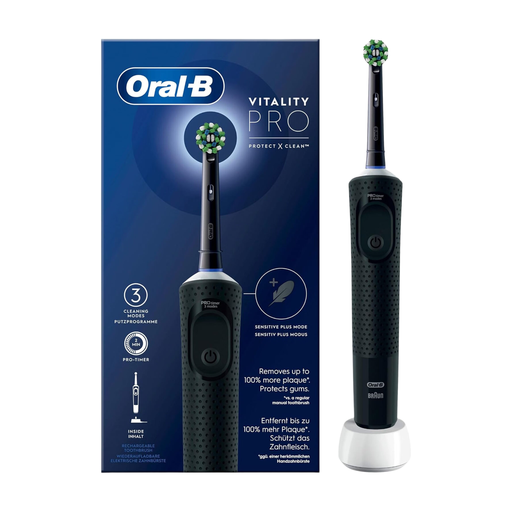
Why this model is a great fit: It offers proven oscillating-rotating cleaning performance and essential modes like "Sensitive" without the premium price for rarely used extras. Ideal for switching from a manual toothbrush to experience the benefits of electric cleaning.
This model focuses on core functions and forgoes expensive smart technology, creating clear value for money and avoiding the "Smart Features" trap.
Three cleaning modes, including a special mode for sensitive gums, offer flexible customisation for individual needs, which is excellent for this price range.
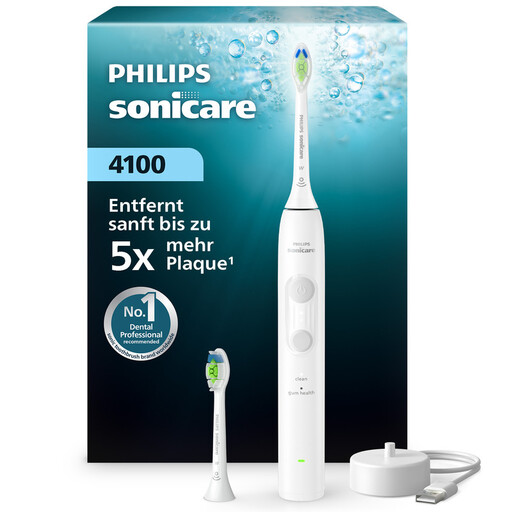
Why this model is a great fit: Ideal for people who tend to press too hard or have sensitive gums. The combination of gentle sonic technology and a reliable pressure sensor provides safety and prevents irritation.
The integrated pressure sensor actively counteracts the most common user error—brushing too hard. It directly addresses the cause of gum problems and bypasses the "Technology Confusion" by offering a gentle solution.
The haptic feedback for excessive pressure and the special "Gentle" mode allow for a mild yet thorough cleaning, tailored to the needs of sensitive users.
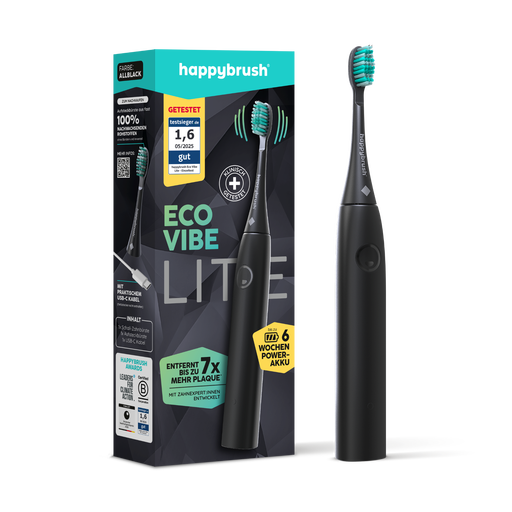
Why this model is a great fit: Perfect for anyone who values a **sustainable toothbrush** without compromising on cleaning performance. The recycled material, long battery life, and plastic-free packaging are key advantages.
This model focuses on durability and eco-friendly materials instead of short-lived gimmicks. The USB-C charging and long battery life reduce e-waste and bypass the hidden cost trap with fair brush head prices.
The housing is made from recycled material, and the battery life of up to six weeks minimises charging frequency and energy consumption. A great choice for eco-conscious and travel-savvy users.
There are also special solutions for the little ones. A children's toothbrush like the happybrush Eco Vibe for Kids combines a child-friendly, gentle cleaning with a sustainable approach and a motivating design.
We have compiled a complete, up-to-date list of products that fully meet these strict selection criteria and local safety regulations.
Dentists and manufacturers recommend changing the replacement brush heads every three months. It's also advisable to replace them if the bristles are visibly frayed or bent, or after an infectious illness. Worn-out bristles no longer clean effectively and can injure the gums.
Yes, an electric toothbrush is often even more beneficial. Choose a model with a Sensitive mode and a toothbrush with a pressure sensor. A sonic toothbrush is frequently recommended for sensitive gums due to its gentler, vibration-based cleaning method. Start with a low-intensity setting to help your gums acclimate to the new cleaning method.
The main difference lies in the movement of the brush head. Oscillating-rotating models use a mechanical scrubbing motion with a round head, which is very effective against plaque. A sonic toothbrush uses high-frequency vibrations from an elongated head to create fluid dynamics that also clean hard-to-reach areas. The choice depends on personal preference and the condition of your teeth and gums.